There is a category of traveler who is not interested in organizing everything. Who enjoys getting lost, taking the wrong bus, or getting stuck and all of a sudden having to use the road less taken, bumping into a festival that is not featured in any travel guides, or eating from the street costing almost nothing and yet a taste that one’s taste will long for years which you are going to recreate that food on one’s table. If you fit in the description above, consider going on an India backpacking trip there may be nothing you do that will surpass the experience.
India is regarded as one of the excellent backpacking sites around the world not only because it is cheap but because it incites one’s curiosity than nearly every place. There are different languages, foods, architectures, and even beauty in every region. It is possible for you to stay here for three months and yet feel like there is a lot more that you need to explore. The focus is where to begin, where to go next, and what remains realistic as opposed to expectations. And this guide explains all that.
Let's commence with the already known fact about the appealing trip to visitors to India backpacking trip The US, Europe or Australia is extremely appealing in these terms. A seasoned backpacking traveler could get a hostel bed and eat thrice a day, use community transportation and visit places around for $25 to $40. Spoiled by backpacking, living in tight houses, and consuming food sold on the streets and in small eateries almost exclusively, one can lower that figure too.
Inexpensiveness is not, however, the only reason that makes India so attractive. It is the concentration of events. in seven days you can transfer from the desert of Rajasthan that is hot and bone dry to the temperate forest of the Himalayas. from a time lock walled city in the ancient times to a modern city with metros. From the serenity of a prayer hall in a monastery to the thundering noise of a celebratory crowd. No country in the world manages to cram this kind of diversity and richness in such a short trip.
India backpacking trip has shockingly adequate support structures for shoestring travelers. There are hostels, cheap guesthouses, night buses, shared taxis, and low-cost internal flights that serve all parts of the country. Understanding how the transportation operates in India helps turn the journey into a pleasant experience.
The travel guide with India material helps create a general view of what the country has to offer and is good for start before the planning of the itinerary.
Attempting to achieve too much in a trip is the rookie error by first-time travelers to India. It is impossible to explore the entire country of India in a span of three weeks. Choose an area, explore it in detail and save the rest for the next visit. Below is a list of the four backpacking circuits that are most observed:
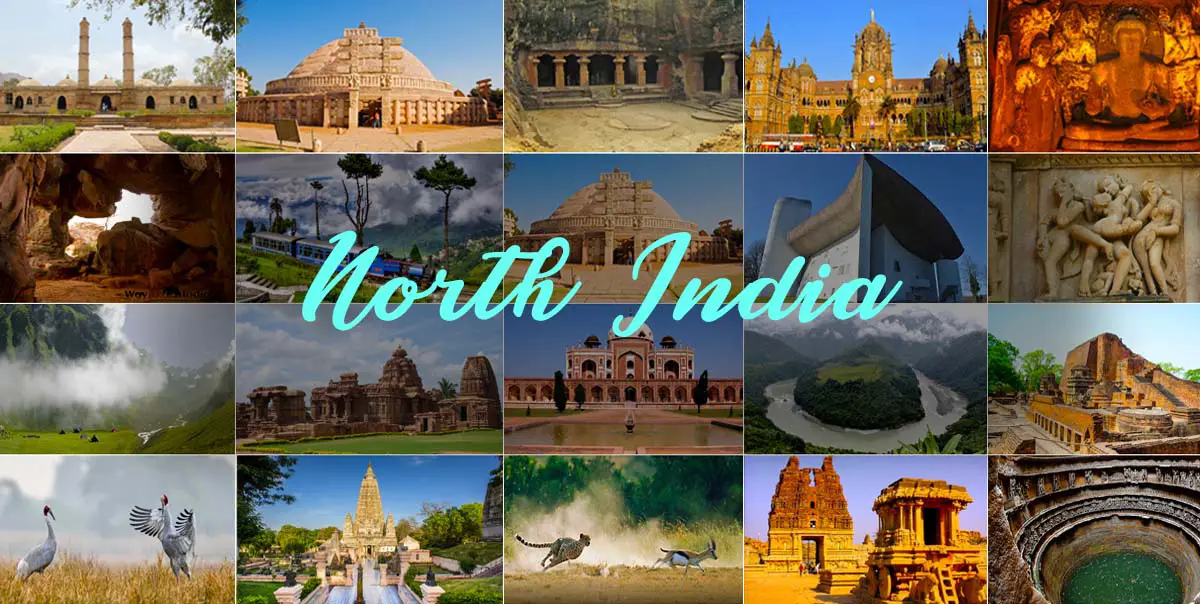
This is where most international backpackers start, and it's a brilliant introduction to the country's history, culture, and chaos.
The rough route: Delhi → Agra → Jaipur → Pushkar → Jodhpur → Jaisalmer → back to Delhi (or continue north)
From Jaipur or Delhi, many backpackers then push north into Himachal Pradesh: Delhi → Manali → Kasol → Dharamshala → Amritsar → back to Delhi
This circuit covers iconic landmarks (Taj Mahal, Amber Fort, Golden Temple), desert landscapes, mountain towns, and river valleys. It's incredibly well-traveled, which means transport links are easy to navigate and fellow travelers are never far away.
Time needed: 3–5 weeks minimum to do it justice.
For a structured version of this route, our india tour itinerary page offers day-by-day frameworks you can adapt to your own pace and preferences.
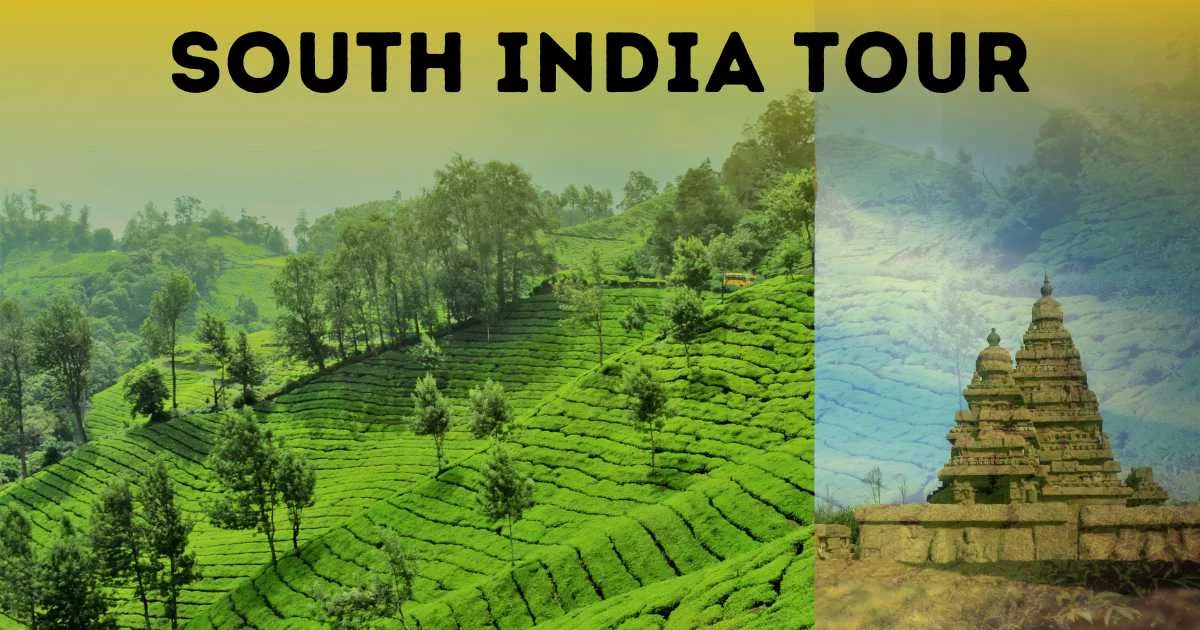
Less chaotic than the north, more lush, and arguably more underrated. South India rewards slow travel and extended stays.
The rough route: Chennai → Pondicherry → Mahabalipuram → Hampi → Goa → Mumbai
Or the Kerala-focused version: Kochi → Munnar → Alleppey → Varkala → Trivandrum
Hampi — a UNESCO World Heritage site of ancient ruins spread across a boulder-strewn landscape — is consistently one of the most talked-about backpacker destinations in all of India. Budget guesthouses line the riverbank opposite the main site, and many travelers who plan two days end up staying two weeks.
Goa, despite its party reputation, also has a quieter, more authentic side — particularly in the north around Arambol and Morjim, where long-term travelers find cheap accommodation and a genuinely relaxed pace.
For backpackers who want altitude, adventure, and a complete change of atmosphere, the Himalayan route is unmatched.
The rough route: Delhi → Rishikesh → Haridwar → Shimla → Manali → Leh (Ladakh) → back via flight
This is one of the most dramatic overland journeys in Asia. The Manali-Leh Highway — open only from June to September — crosses five high-altitude passes and passes through landscapes that look more like the surface of the moon than anything you'd associate with India. It's physically demanding, occasionally uncomfortable, and absolutely spectacular.
Ladakh itself deserves at least a week. The Buddhist monasteries, the Nubra Valley, the Pangong Lake — these are experiences that genuinely feel like the edge of the world.
This is India's hidden gem circuit — and almost criminally undervisited by international backpackers. States like Meghalaya, Assam, Nagaland, and Sikkim offer a completely different India: greener, quieter, more tribal in culture, and visually stunning in a way that feels entirely its own.
Highlights include:
Living root bridges of Meghalaya (engineering by nature, not by machines)
Kaziranga National Park in Assam (one-horned rhinoceroses in the wild)
Dzükou Valley in Nagaland (a trekker's paradise barely on the tourist map)
Gangtok and Pelling in Sikkim (Buddhist culture with Himalayan backdrops)
For a deeper look at places most tourists never reach, our guide to Hidden gems in India covers several Northeast destinations that belong on any serious backpacker's radar.
India's accommodation options for budget travelers have improved dramatically in recent years. Here's what you'll find across different price points:
Dormitory hostels ($5–$12 per night): Now common in major backpacker hubs — Delhi, Mumbai, Jaipur, Goa, Rishikesh, Manali, Varanasi. Many are genuinely good — clean, social, and well-located.
Budget guesthouses ($10–$20 per night): The backbone of Indian backpacker travel. Quality varies enormously. Read recent reviews on Hostelworld or Booking.com before committing. In smaller towns, a $15 room in a family-run guesthouse is often far better than a $10 hostel dormitory.
Heritage havelis and guesthouses ($15–$35 per night): Particularly common in Rajasthan, where old merchant mansions have been converted into characterful guesthouses. For a modest premium, you can sleep in a 200-year-old courtyard building.
Monastery guesthouses: In Ladakh, Spiti, and parts of Himachal, Buddhist monasteries offer simple rooms at very low cost. These are often the most memorable places to sleep in India — if you can handle cold nights and early morning prayers.
Practical tips for cheap stays:
Always check for hidden fees (Wi-Fi, hot water, breakfast)
Book one night first; move if it doesn't feel right
In beach destinations, walk 5–10 minutes from the main strip and prices drop significantly
Negotiate for multi-night stays, especially during low season
India's transport system is one of the most extensive in the world — and one of the most confusing for first-timers. Here's how to navigate it:
For any traveler, there can be nothing better than traveling by rail in India. There are no travel destinations where trains cannot reach, all train travels are ‘pocket friendly’, and sleeping in the ‘chug chugchoo’ is most rewarding for tourists and backpackers because lodging is included in the fare. They only require a working username and password which they would need to apply individually from either a website or a download of an IRCTC app.
There is also a travel class called’ Sleeper’ which does not have air conditioning, but in places involving short distances, the class does not pose a problem. For a night travel, 3AC, whose full form is three tier air conditioned, comes advised as it packs more luxury without putting a hole in one’s pocket.
Train services do not service all routes, state-owned and privately owned buses do fill that gap. For instance, in the states of Himachal Pradesh and Uttarakhand, it is only practical to reach towns in highlands by buses, in many cases. Longer-distance travel between the major cities by luxurious sleeper buses termed "Volvo" is inexpensive compared with internal domestic flights.
Traveling over a long distance, for instance, from Delhi to Kochi or even Delhi to Guwahati, can become a reasonable reason to take advantage of internal flights. Low cost carriers, such as SpiceJet or IndiGo, advertise their services at less than $40 if you can make your reservations two to three weeks before. Conclusion – helicopters are often not worth coming back to the ground for, especially during an India backpacking trip covering only 3-4 weeks.
Here's what a realistic daily budget looks like for different travel styles:
Ultra-budget (dormitory beds, street food, local buses): $20–$28/day
Mid-budget (private guesthouse rooms, restaurant meals, occasional trains): $35–$55/day
Comfortable backpacker (private rooms, mix of transport, some activities): $60–$90/day
One-off costs to plan for:
India e-Visa: $25–$80 depending on nationality and duration
Travel insurance: $50–$120 for a month-long trip
Overnight train reservations: $4–$18 depending on class and distance
Safari permits (if visiting national parks): $20–$50 per visit
For a complete breakdown of what to budget for your specific itinerary, our india tour cost guide walks through costs region by region with real figures from recent travelers.
There is no doubt that visiting India alone as a tourist is possible, very satisfying, and — with certain basic measures in place — quite secure for most foreign tourists. The culture of backpackers is well alive, hospitable, and easy to access here. In any hostel's common room from Rishikesh to Hampi, there is someone to offer some advice, a travel partner for the next adventure, or just someone to talk over a cup of tea.
However, a couple of facts for the honest part are as follows:
Ladies traveling alone should be aware of the fact that- India is a very two-edged knife, which means some may be much afraid of things like harassment and such – reality in a more crowded place at least in some Indian cities in North. Nevertheless, every year millions of women travel throughout India on their own without any regretful inconvenience. Dress modestly in non-beach and non-tourist areas, always take prepaid taxis or use mobile applications with cab facilities, stay away from deserted areas late at night, and take any action you feel comfortable with. Many good hostels now offer female-only dorms, which are also recommended.
To each one travelling alone: Please install an Ola or an Uber whenever in a city (they are a safer and much more reliable alternative to random tuk-tuk guys), get a digital visa and passport in addition to the original documents and carry some money because not every shop accepts cards.
October through March provides the best condition, in terms of temperature, crowding and means of transport, for most Indian regions especially when planning a backpacking trip to India. Northern India, thanks to the Himalayas, is different, as it follows a different “Best time to visit India”; it is advisable to avoid such opportunities in the summer.
You live in Florida and if you are thinking about making your India backpacking trip for the first time then check out India tour packages in Florida with inclusive flights. Even though, to backpack or not backpack that, is the question and whether or not to move that, is an option, in also changing such international flights and the first couple of those nights might as well partake a significant relief on the start of the trip. It will be my first time coming to this region and therefore more of the pressure can be understood. There are some Indian tour agencies located in Florida, which suit such travelers who may have semi-organized itineraries.
There are also flights from California directly from the airports in Los Angeles and San Francisco to Delhi and Mumbai; thus, making California a fairly good location in terms of accessibility to India from the USA. A solo India trip could be included in the packages for India in California, where one would get all the: international flights, airport transfers and even city-pass for the first week–the subsequent weeks being based on free travel. This works better for the individuals who are visiting India for the first time as most of these India backpacking trip options are expensive in the beginning but thereafter, one can travel without extra costs.
The city that never sleeps, New York, has one of the most competitive airfares across the ocean to Europe and to India. Air India operates one of the cheapest non-stop Delhi flights in the US. If you thought that an India backpacking trip from New York would entail going and backpacking in India, you might be proven wrong. It typically includes a two-night mini intercultural immersion in Delhi with a guide, a handset briefing and inserted sim card, shown bills of boarding to the next two seats, and space thereafter. There is adequate supply to meet the demand for, especially, Indian tour options that are styled in this form for the New Yorkers.
Backpackers do not necessarily shun tours. Midasia Routes, in turn, caters to the needs of individual travelers, who think of relying on the professional experience along with the pre-booked travel arrangements of specific areas, however, less voluntarily as it would be binding. Be it getting requisite permits to travel to Ladakh or ferry houseboat for an overnight experience in Alleppey or even elucidation of the most suitable train itinerary for you, Indian expert consultants are at your disposal.
We have assisted hundreds of lone and duo backpackers extraordinaire to India who have not sought the services of an agent and still managed to have a pleasant India backpacking trip.
An India backpacking trip is in fact an all-time event in the lives of most people, as it alters their worldviews, priorities, and the concept of who a traveler is. It is not that simple though. It’s indeed overwhelming on certain levels. There is a bit of an administrative lapse every now and then. It can even get pretty unbearable with the heat and the peoples squabbles, not to mention the crowds.
However, at some point, perhaps after a Himalayan sunrise or over dinner of streets’ culinary wonders and with strangers who, over time, develop into friends, India gives you what any other country would never intend to do. And after experiencing it, you will surely comprehend why such travelers return over and again.
1. How much money do I need for a month-long India backpacking trip?
A comfortable but budget-conscious month in India typically costs between $800 and $1,500 all-in (excluding international flights). Ultra-budget travelers can do it for less; those who prefer private rooms and occasional splurges should budget closer to $1,500–$2,000.
2. Is India safe for solo backpackers?
Yes, with the usual precautions. India is one of the world's most visited backpacking destinations for good reason. Use registered transport, stay in reviewed accommodation, and travel with standard awareness. Solo women should take additional precautions in certain regions but should not be discouraged from the trip.
3. Do I need a visa for an India backpacking trip?
Most nationalities require an e-Visa, which can be applied for online before departure. It's available in 30-day, 1-year, and 5-year options. Processing typically takes 72–96 hours. Apply at least a week before travel to be safe.
4. What is the best backpacking route for first-timers in India?
The Golden Triangle (Delhi, Agra, Jaipur) combined with Rishikesh or Pushkar is the most popular starting circuit for first-timers. It's logistically straightforward, culturally rich, and leaves you with a clear picture of what parts of India you want to explore on a return trip.
5. Can I backpack India without any Hindi?
Absolutely. English is widely spoken in tourist areas, train stations, hostels, and among younger urban Indians. A few basic Hindi phrases (dhanyavaad for thank you, kitna for how much) are appreciated but entirely optional. You will not struggle to communicate as an English speaker in India's main backpacker circuits.
Your email address will not be published. Required fields are marked *