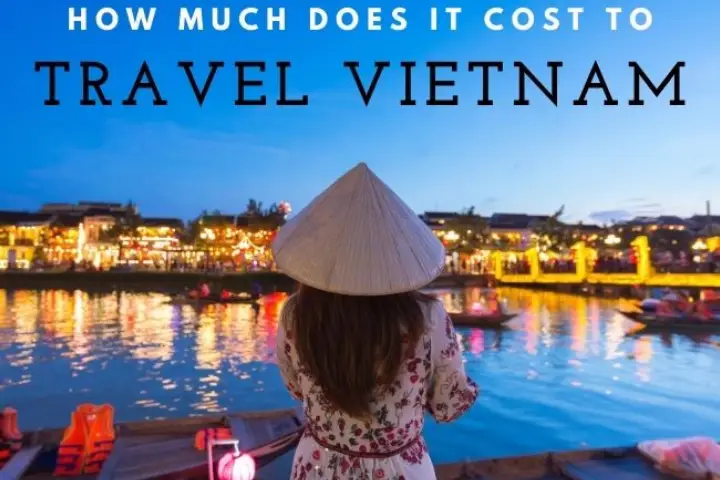
Vietnam provides visitors with an experience that permanently changes them for the better. With Midasia Routes, the experience of standing on a karst mountain peak which overlooks Ha Long Bay during sunrise and walking through Hoi An's ancient streets at dusk, illuminated by lanterns, makes all other destinations seem inferior. First-time US travelers to Vietnam will find the country overwhelming because it offers multiple tour destinations which create a confusing experience. The country contains ancient temples and three different urban centers and unspoiled shores and foggy mountain regions and complex river delta systems which all exist within its narrowest geographical space.
The good news? The best vietnam tour packages — whether you're departing on a vietnam tour package in California, a vietnam tour package in New York, or a vietnam tour package in Florida — are built around a carefully curated set of destinations that hit every high note. The 10 locations which appear in nearly all high-quality Vietnam travel itineraries exist for a specific reason.
The Vietnam tour requires its travelers to spend time in Hanoi because no tour starts without that requirement. The capital city of Vietnam functions as a living contradiction because it combines ancient and modern elements while presenting both chaotic and meditative states simultaneously. The city has existed continuously through more than 1000 years of history which people can observe at every street corner of the city.
Hoan Kiem Lake and Ngoc Son Temple: The spiritual heart of the city. The early morning hours of this location provide visitors with one of Vietnam's most unforgettable daily scenes which shows local residents practicing tai chi by the water.
The Old Quarter: 36 streets which people established to support various businesses throughout different historical periods. The area now exists as a crowded network of food vendors coffee shops silk shops and motorbike riders.
The Ho Chi Minh Mausoleum and Museum provides visitors with a serious yet respectful display of the life experience which shaped Vietnam's first leader after its unification.
Temple of Literature: The first Vietnamese university established its existence in 1070. The building exists as a beautiful architectural space which provides a deeply tranquil environment.
Vietnamese street food: The three essential dishes bun cha grilled pork with noodles and pho and egg coffee represent mandatory dining options.
Hanoi requires visitors to stay for two complete days. The northern section of most Vietnam tour packages includes a 2 to 3 night stay in this city as their primary destination. The city allows visitors to experience its attractions better through unhurried exploration because they can discover its hidden gems by moving around the city without any plan.
Ha Long Bay serves as the primary international image which represents Vietnam tour destinations. The Gulf of Tonkin contains nearly 2000 limestone karst islands and islets which rise steeply from its emerald-green waters. The site exists as a UNESCO World Heritage Site which photographic images fail to capture its actual beauty.
Overnight cruises: The only real way to experience Ha Long Bay is on a boat. Budget cruises start at $60–$80/person; mid-range junk boats run $120–$200; luxury vessels like Paradise Elegance or Indochine Cruise go for $300–$600+ per night.
Kayaking through hidden lagoons: Paddle through Luon Cave or into secret coves accessible only by kayak.
Sung Sot Cave (Surprise Cave): One of Ha Long Bay's most spectacular caverns, with cathedral-like chambers.
Fishing villages: Visit floating communities that have lived on the water for generations.
Sunrise on deck: Set an alarm. Worth every second of lost sleep.
You need to book a two-day cruise which includes one night of sailing to experience the full beauty of Ha Long Bay. The day trips to Ha Long Bay from Hanoi City operate but they do not provide a satisfying experience. Every quality vietnam tour package includes at least one overnight on the bay.
People refer to Ninh Binh as "Ha Long Bay on land" because it represents one of Vietnam's most beautiful yet unknown tourist attractions. The landscape features limestone karsts that emerge from flat rice paddies and river valleys to create an impossibly beautiful sight.
Trang An Landscape Complex: A UNESCO site featuring boat rides through karst caves and flooded valleys.
Hoa Lu Ancient Citadel: Vietnam's ancient capital from the 10th–11th centuries.
Mua Cave and viewpoint: A challenging climb (500 steps) with panoramic views that are entirely worth it.
Tam Coc: Nicknamed "three caves" — a classic sampan boat ride through rice fields.
Ninh Binh serves as a straightforward day trip destination from Hanoi which requires two hours of travel through roadways. The majority of Vietnam tour packages now include Ninh Binh as a main stopping point which connects Hanoi with the southern regions of the country.
Hue served as Vietnam's imperial capital under the Nguyen Dynasty from 1802 to 1945, and the city still carries that regal weight. The destination is one of the most culturally diverse locations in Vietnam while first-time visitors to the country most often overlook it.
The Imperial Citadel: A walled fortress complex modeled loosely on Beijing's Forbidden City — sprawling, atmospheric, and deeply significant.
Royal Tombs: The elaborately designed mausoleums of emperors like Tu Duc and Minh Mang are scattered across the city's outskirts, each with a distinct character.
Thien Mu Pagoda: Vietnam's most iconic pagoda, perched on a hill above the Perfume River.
Hue cuisine: Considered by many to be Vietnam's finest regional food — bun bo Hue (spicy beef noodle soup), banh khoai (crispy pancakes), and com hen (clam rice) are local specialties.
Dragon boat rides on the Perfume River: Slow, beautiful, and deeply atmospheric.
You need to spend 2 days for this task. The Reunification Express train from Hanoi and domestic flights both provide access to Hue. The actual cultural center of central Vietnam is located in Hue which serves as the main destination for most Vietnam tour packages.
Da Nang is Vietnam's third-largest city and one of its fastest-growing tourism hubs. The city functions as a strategic base because it connects Hue and Hoi An while its growing international attractions draw visitors.
My Khe Beach: One of the finest urban beaches in Southeast Asia — 20 miles of white sand, warm water, and excellent surf conditions from June through August.
Marble Mountains: Five limestone hills dotted with Buddhist sanctuaries, caves, and panoramic viewpoints.
Dragon Bridge: Da Nang's architectural centerpiece — an enormous bridge shaped like a dragon that breathes fire and water on weekend nights.
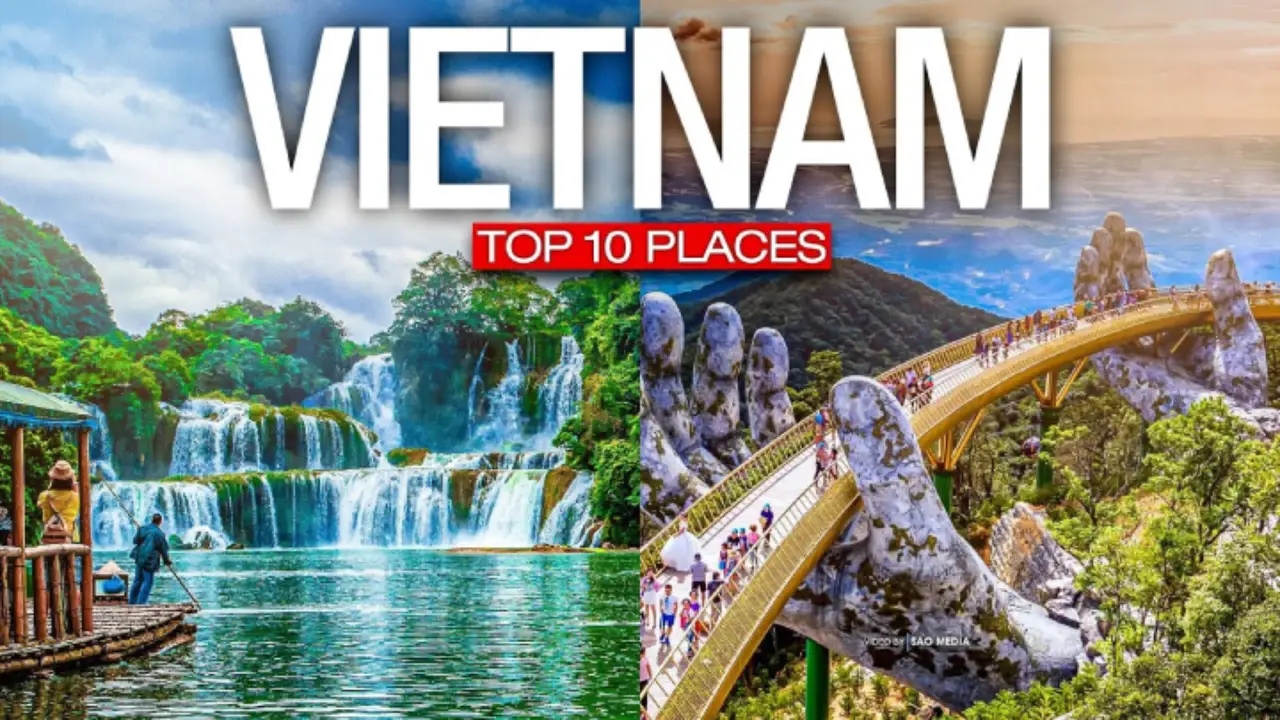
Ba Na Hills and the Golden Bridge: The Instagram-famous bridge held up by giant stone hands, sitting above the clouds at 4,600 feet elevation.
Han Market: A local market worth browsing for fresh produce, seafood, and souvenirs.
Da Nang serves as a major international airport which functions as the main entry and exit point for travelers who visit central Vietnam during their Vietnam tour. The city features Vietnam's top mid-range and luxury beach resorts.
Ask any traveler who has visited Vietnam which destination they would choose to visit first and at least half will select Hoi An without any doubt. The ancient trading port which has been beautifully preserved from the past functions as the most visually appealing and emotionally impactful tourist destination in Vietnam.
The Ancient Town: A UNESCO-protected pedestrian old quarter of yellow-walled merchant houses, wooden shopfronts, and centuries-old assembly halls.
Lantern Festival: On the 14th of every lunar month, the Ancient Town goes car-free and is lit entirely by colorful silk lanterns floating on the Thu Bon River. It's magical.
Hoi An tailors: The city has hundreds of custom tailoring shops. A made-to-measure suit, dress, or traditional ao dai can be completed in 24–48 hours for a fraction of Western prices.
Cooking classes: Hoi An is considered one of the best places in Asia to learn Vietnamese cooking.
An Bang and Cua Dai beaches: Quiet beach alternatives just 5–10 minutes from town by bicycle.
My Son Sanctuary: A 45-minute drive from Hoi An, this ruined Cham temple complex is Vietnam's answer to Angkor Wat — ancient, atmospheric, and genuinely moving.
Visitors should stay in Hoi An for a minimum of 2 to 3 nights. The Ancient Town is best explored very early in the morning before tour groups arrive. The well-designed vietnam tour package requires visitors to spend essential time at this location which serves as their main attraction.
Ho Chi Minh City which used to be called Saigon operates as Vietnam's primary economic center while it provides its residents the most active city experience. The city operates with constant noise and rapid movement and its food offerings create a never-ending stream of captivating experiences which prevent visitors from stopping their exploration.
Cu Chi Tunnels: An extraordinary underground network used by Viet Cong guerrillas during the Vietnam War. Crawling through these tunnels is one of the most visceral historical experiences in Southeast Asia.
War Remnants Museum: Confronting, sobering, and essential. The museum presents the American War (as it's called here) from the Vietnamese perspective.
Reunification Palace: Where the Vietnam War officially ended on April 30, 1975. Preserved almost exactly as it was on that day.
Ben Thanh Market: The city's famous central market — great for street food, souvenirs, and people-watching.
Bui Vien Street: Ho Chi Minh City's legendary backpacker street — chaotic, colorful, and full of energy after dark.
District 1 rooftop bars: Chill Skybar and Saigon Saigon offer stunning city views alongside excellent cocktails.
Most tourism routes through Vietnam start or finish at HCMC. Visitors should spend 2 to 3 complete days in the city. The city serves as a major entry point because international flights connect directly to US airports for Vietnam tour packages.
The Mekong Delta serves as the location where Vietnam shows its most rural and ancient and unique cultural identity. The delta showcases an extensive system of rivers and canals and floating markets and rice paddies which extend throughout the southwesternmost region of the country to create a unique natural environment that exists nowhere else on Earth.
Cai Rang Floating Market: The largest floating market in the delta, most active at dawn — a riot of color and commerce on the water.
Boat rides through canal networks: Navigate through coconut palm-lined waterways by small wooden boat.
Can Tho city: The delta's largest urban center and the best base for exploring the region.
Honey bee farms, rice paper factories, and coconut candy workshops: Hands-on local industry visits that give real insight into delta life.
Phu Quoc Island: Technically accessible from the delta, Phu Quoc offers Vietnam's best beach resort experience — white sand, turquoise water, and world-class resorts.
The Mekong Delta requires two days of travel from Ho Chi Minh City to provide the best experience. Most Vietnam tour packages include it as an extra daytime trip, but you can best experience the floating market through an overnight stay which lets you see the market during its peak hours before tour boats start arriving.
Sapa lies in Vietnam's far northwest region which shares a border with China. This highland town stands at an elevation of nearly 5000 feet which it uses to overlook terraced rice fields that descend from mountain slopes in green and gold waves while Vietnam's tallest mountains surround it.
Trekking through rice terraces: Mu Cang Chai and the Sapa valleys offer some of the most stunning trekking scenery in all of Asia.
Ethnic minority villages: Sapa is home to the Black Hmong, Red Dao, Tay, and Giay peoples — each with distinct traditional dress, customs, and languages.
Fansipan Mountain: Vietnam's highest peak at 10,312 feet, accessible by cable car or a challenging multi-day trek.
Sapa Market: A weekly gathering point for highland communities — an extraordinary cultural spectacle.
Bac Ha Market: One hour from Sapa, this Sunday market draws the Flower Hmong community in their most elaborate traditional clothing.
You can reach Sapa by taking an overnight train from Hanoi which takes between 8 to 9 hours or by choosing a bus. The best time to visit for golden rice terraces is September–October. Many premium vietnam tour packages now include Sapa as a northern highland extension.
Phu Quoc serves as the final major Vietnam tour destination because it stands as the country's biggest island and most developed beach location. Phu Quoc which lies in the Gulf of Thailand at the southwestern coast has developed from its original state as a fishing island into a true resort destination during the last ten years.
Long Beach (Bai Truong): The island's main beach strip, lined with resorts and beach bars.
Sao Beach: Consistently ranked among Asia's most beautiful beaches — powder-white sand, calm shallow water, and minimal development.
Phu Quoc National Park: Covers over 50% of the island and offers hiking, wildlife spotting, and complete jungle immersion.
Vinpearl Safari: A genuine open-air safari park on a tropical island — surprisingly excellent.
Night Market in Duong Dong: Seafood grilled fresh to order at very reasonable prices — a nightly ritual for island visitors.
Fish sauce factory tours: Phu Quoc produces Vietnam's most famous fish sauce — factory visits are genuinely interesting.
Fly directly to Phu Quoc (PQC airport has international connections). Budget 3–4 nights minimum to decompress after a busy mainland itinerary. Phu Quoc serves as the ideal destination for travelers to Vietnam who want to end their trip with relaxation.
You need to spend one week to explore either the northern region which includes Hanoi and Ha Long Bay and Ninh Binh or the center-south circuit which includes Da Nang and Hoi An and Ho Chi Minh City. The attempt to visit every tourist destination in Vietnam during a single week results in traveler fatigue and incomplete experiences. A focused vietnam tour package will always serve you better than an overstuffed itinerary.
The Vietnam tour packages which operate from California and New York and Florida provide tour packages which last 10 to 14 days which include the main tourist destinations of Hanoi, Ha Long Bay, Hue, Hoi An, Da Nang, and Ho Chi Minh City. The Ninh Binh and Sapa and Mekong Delta and Phu Quoc destinations serve as extension options for shorter trips and longer 16 to 21 day packages.
For first-time visitors to Vietnam Hoi An remains the top destination. The city offers multiple safe walking paths which lead to its exceptional natural beauty and its deep cultural heritage and its well-developed English-speaking facilities. Most American tourists select this location as their top destination during their Vietnam trips.
Select travel packages which provide 2 nights at each primary destination instead of visiting multiple cities within one day. Thebest tour operators for your Vietnam tour package from Florida, California, and New York need to provide local guides, domestic flights between faraway cities, and small-group or private tour options.
The ten important tourist sites of Vietnam show which places make this country one of the top long-distance travel destinations for Americans. The imperial splendor of Hue and the lantern-lit beauty of Hoi An and the karst landscapes of Ha Long Bay and the tropical charm of Phu Quoc together create unique attractions at every point on this list.
The most important thing? Your speed should match the natural pace of the process. The best vietnam tour gives each destination the time it deserves. You should select a Vietnam tour package which allows you to experience Vietnam because you will need to breathe before you can discover its wonders when you travel from California to New York or Florida. Start exploring your options today, and get ready for the trip that changes how you see the world.
Your email address will not be published. Required fields are marked *