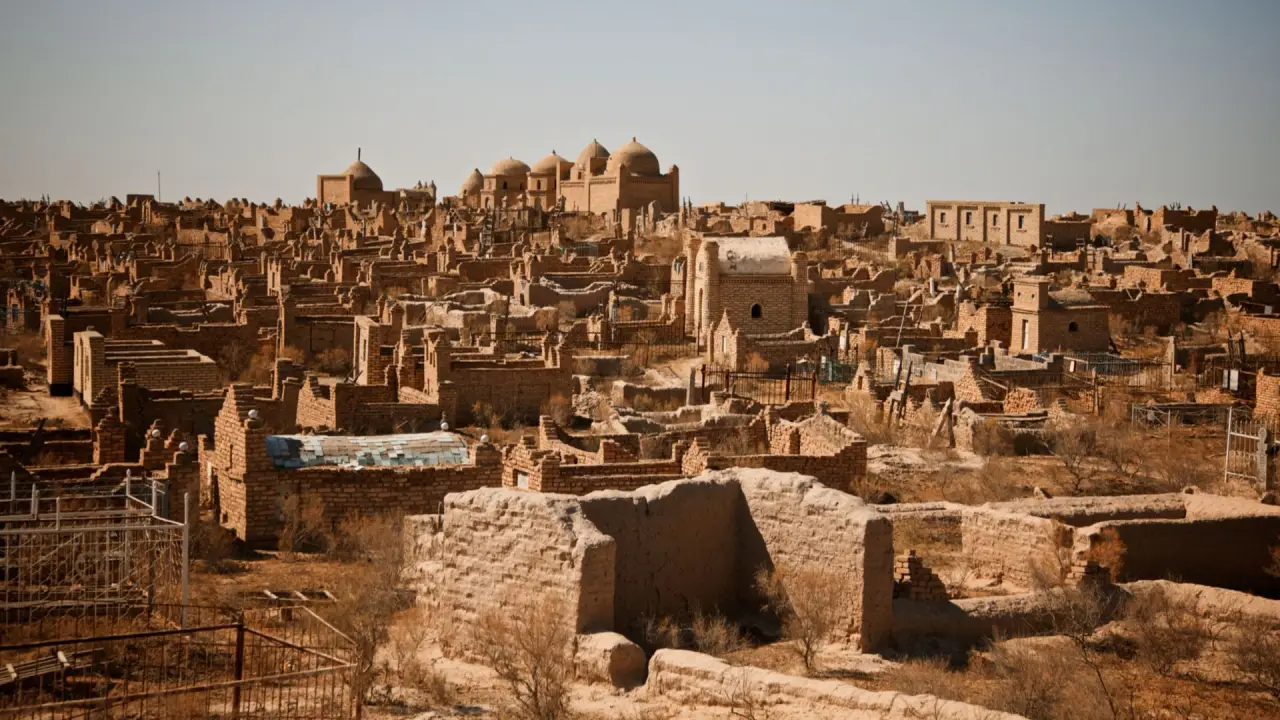
Before mapping out specific sites, it helps to understand the sequence of civilizations whose ruins you will be walking through. Mesopotamia was not one culture — it was a succession of interlocking, overlapping civilizations spanning roughly five thousand years.
Sumer (c. 4500–2000 BCE) — The world's first urban civilization, centered in southern Mesopotamia. Sumerians invented cuneiform writing, built the first ziggurats, developed mathematical systems, and produced the Epic of Gilgamesh. Key sites: Ur, Uruk, Eridu, Lagash.
Akkadian Empire (c. 2334–2154 BCE) — The world's first empire, unified under Sargon of Akkad. The Akkadians adopted cuneiform for their own Semitic language and spread Mesopotamian culture across a wider region.
Babylonian Empire (c. 1895–539 BCE) — Perhaps the most famous Mesopotamian civilization globally, centered in the city of Babylon. Hammurabi's law code, the Hanging Gardens, and the Ishtar Gate all emerged from here. Key site: Babylon (near modern Hillah).
Assyrian Empire (c. 2500–609 BCE) — A northern Mesopotamian civilization whose military power and administrative sophistication created one of the ancient world's most extensive empires. Key sites: Nineveh, Nimrud, Khorsabad (near Mosul).
Neo-Babylonian/Chaldean Empire (626–539 BCE) — The era of Nebuchadnezzar II, who rebuilt Babylon to its greatest splendor, constructed the Ishtar Gate, and features prominently in biblical history through the Babylonian captivity of the Jews.
Achaemenid Persian, Greek, Parthian, and Sassanid periods — Subsequent empires that ruled Mesopotamia and left their own architectural and cultural imprints, including the magnificent arch of Ctesiphon.
Understanding this sequence transforms Iraq history travel from site-visiting into genuine historical comprehension.
The city of Babylon is located approximately 85 kilometres to the south of Baghdad and the city of Hillah is on the river banks of the river Euphrates close to that location. If one existed, this destination could be called a perfect example of Iraq religious tourism history. For 3 millennia this urban name is existing in a human mind.
The region comprising the ancient city is vast. The most prominent and surviving attraction is the reconstruction of the Ishtar Gate at the entrance of the site – the bright glazed blue brick decorated with dragons and longhorns is actually a copy of the original which is in Pergamon Museum in Berlin. It is possible to walk through it and on entering the remaining house of king Nebuchadnezzar the enormity becomes clear.
It is possible to see the Processional Way – the broad causeway that passed through the city leading to the Ishtar Gate. Some remains of the Marduk temple (Esagila) and the probable tower of Babel — Etemenanki (which could have been the basis on which the biblical myth of Tower of Babel was created) have been located although they are in a damaged state.
Let’s get one thing straight: The elegance of the ruins that Saddam had conservative revisions in the 1980s and the 1990s, as well as the military interventions which were authorized for the site during the years 2003–2011 considerably damaged Babylon. The 2019 listing by UNESCO as a World Heritage site is an acknowledgment of the worth of the site to the world and a proposition that the world community would assure it is conserved in the coming years.
What is still available is glorious. Being in the ruins of Babylon and contemplating how the Hanging Gardens, the Tower of Babel, the Babylonian captivity of the Israelites, Cyrus’ conquest of the towns, etc. all happened in one place is more incredible than any picture or video that one can watch.
Near the contemporary town of Nasiriyah, which is central to southern Iraq, the world’s most ancient civilization has a number of older urban centers that have managed to survive through ages, one of the most pivotal in Iraq religious tourism.
The Ziggurat of Ur is the centerpiece of this magnificence, the three-storied ziggurat built around the year 2100 BC during the reign of king Ur-Nammu for the worship of moon god, Nanna. The original lower two stages with intact contours and internal structures survived due to the clay bricks in drier southern skies over four thousand years. It is possible to climb the topmost level and view the endless southern plain which used to be a very prosperous port town on the Persian Gulf, despite, due to contemporary natural processes placing the coastline to the south further.
Nearby was the Royal Cemetery of Ur which was unearthed by Leonard Woolley in the 1920's. This excavation turned out to be one of the richest in terms of the ancient treasures unearthed, including the Royal Standard of Ur, the Ram in a Thicket, the death pits which contained ritualistic human sacrifices. These remains have been moved to the British Museum and the University of Pennsylvania Museum, but the knowledge of these is enough to add some heavy weight to the very ground on which you are standing at the dig site.
Ur is regarded as the place where Abraham the father of the Jewish nation is believed to have been born according to the Muslim and Jewish traditions. For travelers looking forward to gaining historical and spiritual knowledge, Ur is unlike any other place within Iraq religious tourism.
Nineveh, located across the Tigris River from today’s city of Mosul, was a capital of the world, as it was the capital of the Assyrian Empire during the 7th century BC when it reached its apex and was the biggest city on the planet. The fortifications, built over twelve kilometers of walls, contained palaces, places of worship, green areas, and people who those times were impressed with.
The compound was largely restored in the 1990s but many structures were completely destroyed including the renovation of the Chamber of the King Assurnasirpal II and several valuable objects were lost from the Manara collection in Mosul. The process of excavation is in progress in collaboration with international partners. In this day and age, it is not easy to be a Nineveh visitor – the great ancient city and also the depth of the otherwise recent destruction. For the serious travelers of Iraq, religious tourism history, that complexity is partly the essence.
The Nineveh Plain vicinity of Mosul is also delineated by Nimrod city, formerly the Assyrian capital before Nineveh, adorned with colossal palace reliefs and statues (Lamassu – winged bulls with human heads) which fascinated the ancient civilizations. Once more, the annihilation of such spectacles by ISIS in modern age has lost sense in its making, even though visits to them are imbued with history.
Moreover, there is the consideration of a peculiar doom outcropping in the Borinka crater that could astonish not present. Popular on the web arrays of green or blue transparent strips for instance used in meditation replace water.
For example, one of the oldest pilgrimage places called has been open since times immemorial. But there are obstacles one has to go through in order to reach these destinations.
In conclusion, it should be stated that the volume of traffic infrastructure in the province neither responds to nor satisfies the requirements of its existing customers.
An ancient Mesopotamian city located approximately 35 kilometers south of Baghdad on the banks of the river Tigris, Ctesiphon served as the seat of power for both the Parthian and Sassanid monarchies for a long period. The most prominent structural remains of the city are the Taq Kisra, also known as the Great Arch of Ctesiphon, which is the largest uncomplicated brick vault known in history stretching up to a height of more than 37 meters.
The arch, constructed during the 3rd-6th centuries CE, witnessed the fall of Sassanid Persia and the rise of Arab Islam in 637 CE – one of the greatest cultural and religious transitions in the history of mankind. Over the centuries it has withstood partial collapse, severe flooding, and being in the middle of humanity at war.
The Taq Kasra has many things to be said about it, including the fact that one can see is in Iraq – a huge, unsightly, but enduring remnant of the arms race with the Iraqi lowlands, although it Irak religious tourism – such a moment in history simply does not need to be put in words; it needs to be lived for one to understand.
Hatra, located in northwestern Iraq, became a UNESCO World Heritage site and was regarded as the capital of an Arab kingdom during the Parthian era (1st–3rd centuries CE) which was short lived but extremely beautiful in architectural terms. The Hatra city is built in a circular manner with high walls fortified in order to preserve the temples within it, the latter showcases the Hellenistic, Parthian as well as Arab styles of architecture which very rarely do we see at any other place.
ISIS inflicted significant damage to Hatra in 2015. Nevertheless, international teams of archaeologists are working toward the documentation of the site and some element of restoration. Since there has been some history and it is in a remote place, Iraq history tourism has to be planned very carefully in terms of logistics, but it is worth the while as the few that manage to go describe it as one of the very few sites that would contain surprisingly the multicultural elements including of the later stages of Mesopotamian civilization.
For a focused Mesopotamian heritage circuit, here is a realistic 10-day framework:
Days 1–2: Arrive Erbil — Citadel of Erbil, Sulaymaniyah Museum (outstanding Mesopotamian artifact collection) Day 3: Nineveh and Mosul area — Nineveh ruins, Nineveh Plain Christian villages Day 4: Fly or drive to Baghdad — Ctesiphon, Iraq Museum (home to one of the world's great ancient collections) Days 5–6: Babylon — full day exploration of ruins, Hillah base Day 7: Travel south to Nasiriyah — Ur ziggurat and Royal Cemetery site Day 8: Uruk ruins (ancient Sumerian city, one of the world's earliest) and surrounding marshland area Day 9: Return to Baghdad — debrief, final museum visit, departure preparation Day 10: Departure
This iraq itinerary is demanding but deeply rewarding. All ground transport and accommodation must be arranged through your specialist operator, and security coordination is built into every transition.
For a detailed day-by-day breakdown and regional variations, our travel guide iraq resource covers Mesopotamian heritage routing specifically.
A well-organized 10-day Mesopotamian heritage circuit with a specialist operator typically costs:
Specialist tour package (accommodation, guides, transport, security coordination): $4,500–$7,000 per person
International flights from the US: $800–$1,300
Specialist travel insurance: $350–$550
Visa and documentation: $100–$200
Daily incidentals: $40–$70/day
Total budget for a 10-day Iraq history travel circuit from the US: approximately $6,500–$10,000 per person.
For a full regional cost breakdown, our trip cost iraq guide covers pricing by site and accommodation tier.
October through April is the best time to visit iraq for history and heritage travel. The brutal summer heat — regularly exceeding 50°C in Baghdad and the south — makes outdoor archaeological site visits genuinely dangerous from June through August.
The optimal windows are:
October–November: Excellent weather, manageable crowds, shoulder-season pricing
March–April: Spring temperatures, good visibility, wildflowers in Kurdistan; the Mesopotamian south is comfortable for site visits
Avoid the peak summer months entirely for southern Iraq heritage routes.
Iraq history travel from the US requires specialist handling that goes well beyond standard booking platforms. Midasia Routes has built specific Mesopotamian heritage packages for American travelers who are serious about this journey, working exclusively with vetted local operators whose track records and local relationships are verified.
For travelers departing from the Southeast US, our Iraq tour package in Florida covers Miami and Orlando connections with curated Mesopotamian heritage itineraries designed for history-focused travelers. We handle international routing, local security arrangements, and all site access logistics.
West Coast travelers will find our Iraq tour package in California built around LAX and SFO departures, with efficient Gulf hub connections to Baghdad and Erbil. Our California packages include flexible itinerary options ranging from Kurdistan-focused heritage circuits to full southern Mesopotamia routes for qualified travelers.
For East Coast travelers, our Iraq tour package in New York covers JFK and Newark departures with comprehensive 10–14 day Mesopotamian heritage options. Whether your focus is Babylon and Ur or a complete north-to-south ancient history circuit, we build the itinerary around your specific historical interests.
Approaching these sites well requires more than logistics:
Read before you go. The Epic of Gilgamesh, a good history of Mesopotamia (Marc Van De Mieroop's A History of the Ancient Near East is excellent), and Leonard Woolley's Ur of the Chaldees will transform what you see on the ground
Manage expectations at damaged sites. Nineveh and Nimrud carry the marks of recent deliberate destruction. Come prepared for that emotional reality
Photography requires judgment. Many sites allow photography, but military checkpoints, government buildings, and some religious areas do not. Always follow your guide's specific instruction
Physical preparation matters. Southern Iraq sites involve walking on uneven terrain in intense heat even in the cooler months. Good footwear, sun protection, and hydration are non-negotiable
Carry your documents. Checkpoints between cities are common. Keep passport and tour documentation accessible at all times
Iraq religious tourism, at a deeper level, is a process of intellectual cleansing. When you come, you're not just looking at wrecks. You are going into the spaces, where people like you, invented life, organization, registration, ethics, and stories, i.e. places, where one can actively observe - the whole concept of civilization as a zero level of implementations.
The Ziggurat of Ur was in place for four millenniums before it was damaged. The Arch of Ctesiphon hung at sixteen centuries. The remains of Babylon have seen the clash of conquerors, the footfall of pilgrims and archaeologists and travelers, even before any fights began in the great city of Rome. You are but another addition to this long chain of people who cross a great distance to seek a great truth about humanity.
Think twice. Choose your companions one more time, wisely. Give these locations the respect a pilgrimage. Because when you are atop the Ziggurat of Ur by sunset of the south’s great ancient land, you will realize there is a complete understanding of what makes people travel all this distance.
Security issues may differ depending on location. Iraqi Kurdistan is friendly for foreigners, and the situation in Central as well as southern Iraq is far from positive. Visiting famous Iraqi historical destinations like Ctesiphon, Ur or Babylon is best done in a group aided by the services of specialized operators who organize such trips, offer security escort, and provide professional English speaking guides well versed with the locality. It is best to refer to the active travel advisory from your own country because circumstances are dynamic and only use services of a proven and authorized travel agency.
Within Iraq religious tourism, the most popular sites are Babylon which is near Hillah, the Ziggurat of Ur near Nasiriyah, the remains of Nineveh near Mosul, the Arch of Ctesiphon near Baghdad and Uruk which is the ancient Sumerian city. The Iraq National Museum in Baghdad is one of the most advertised Mesopotamian collections.
The best time is between October and April. However, the most preferred months are October to November and March and April. It is in the period, when the weather is pleasant and there is no reconstruction work being conducted on sites. Avoid the time from June to August as the temperatures rise to dangerous levels that make outdoor visits to archeological sites unsafe.
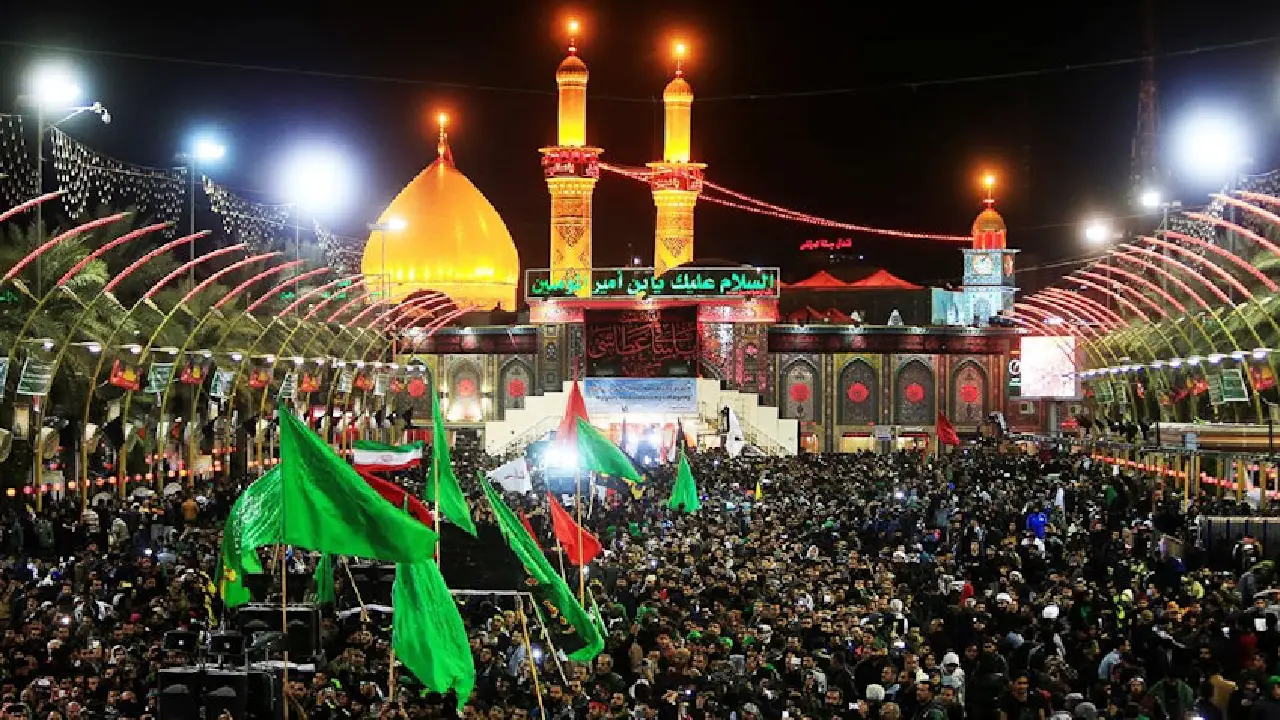
Another aspect of Iraq—or particularly southern Iraq religious tourism—is the prevalence of shrines and tombs, which people all ages, genders, and walks of life visit and even stay for long periods of time.
A renowned operator typically charges between $6,500 and $10,000 for a ten days specialized heritage tour from the US, which would include international flights, a specialized tour package, travel insurance, and daily expenses. This is due to real logistical and security concerns that have to be dealt with.
Traveling independently with to special agencies is possible for Iraq Kurdistan, however it is evident that independent access to all areas along and supervised because local specialists enhance opportunity, contributing to the surrounding scenery. On the other hand, when it comes to central southern Iraq inclusive of Babylon, Ur, Ctesiphon, and Nineveh, it is always best to travel with licensed professional operators who are accustomed with the local situation, and this is almost indispensable for tourists edo-wading into the area.
Visiting the country for the purpose of Iraq religious tourism is suggested only for women who follow the United Nations sisters.
Your email address will not be published. Required fields are marked *