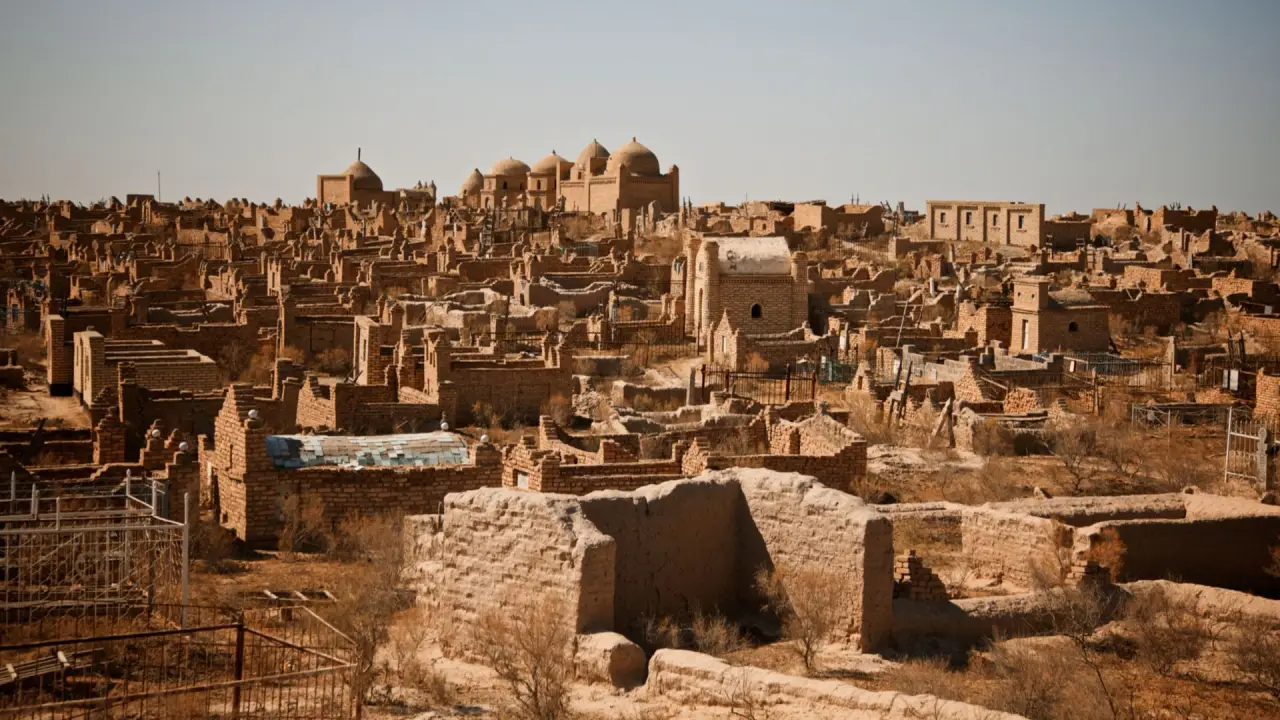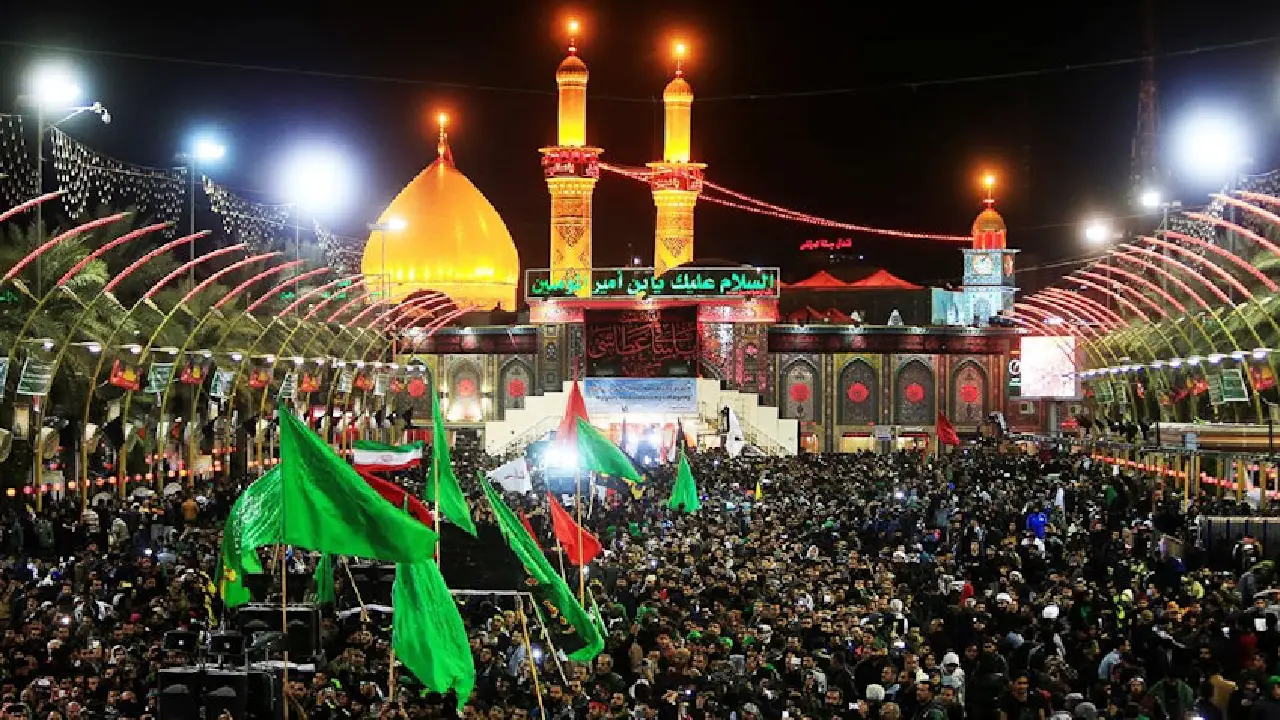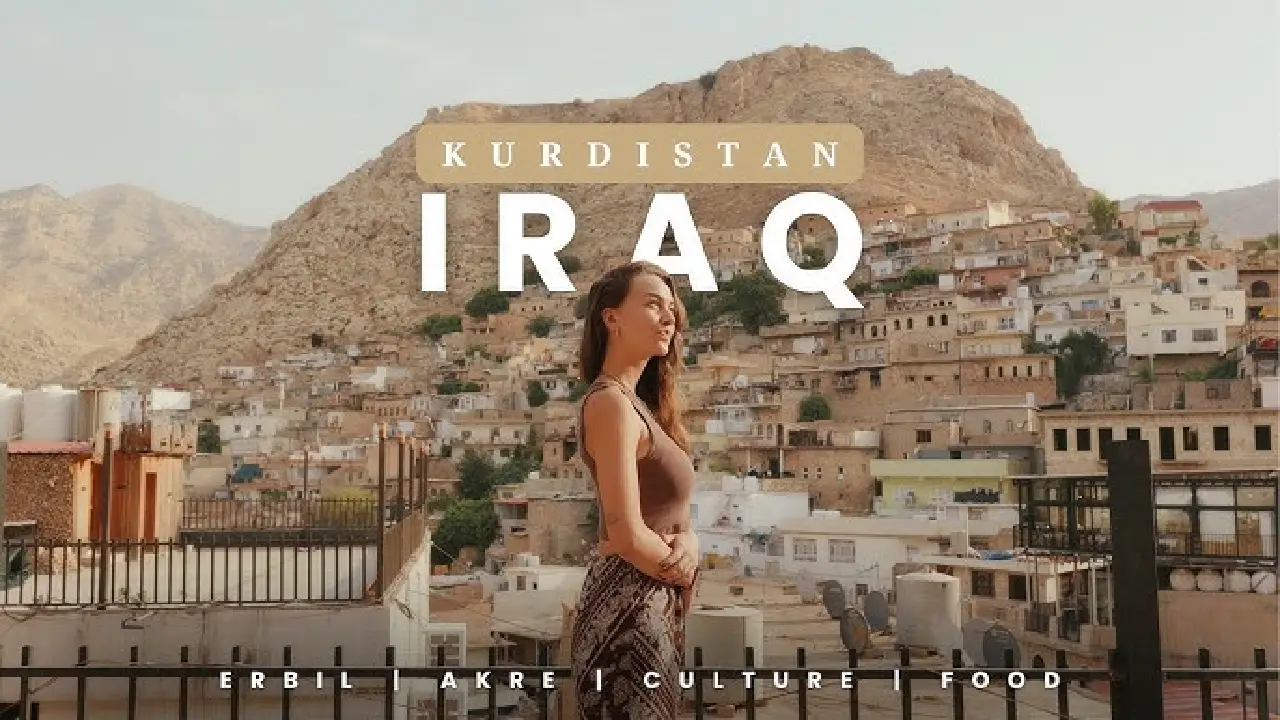
It is somewhat paradoxical that Iraq, as a travel location, is most popular for sites such as Babylon, the Karbala and Najaf shrines, as well as the Citadel in Erbil, all of which are notably outstanding – however, these attractions only comprise one small segment of the nation. Iraq as a country has many contrasting regions, for example in the northern parts there are snowcapped ranges; the west has dry desert while in the southern region lies series of extensive subtropical swamps. In terms of culture, the region goes beyond such diversity with Yazidis, Assyrian Christians, Kurds, Arab Sunni, Arab Shia, Turkmen, Shabaki, and Mandaeans all with their associated religious sites and ways of life and historical geography.
Iraq offbeat destinations are not unknown because of them being irrelevant. They are mainly unknown due to history; decades of wars, enclosure, and the operational challenges overcoming this region has rendered them out of the international tourist map. More so, if one manages to access such locations now – involving a competent tour operator – they find themselves in a very special situation: places of great importance with hardly any other people around.
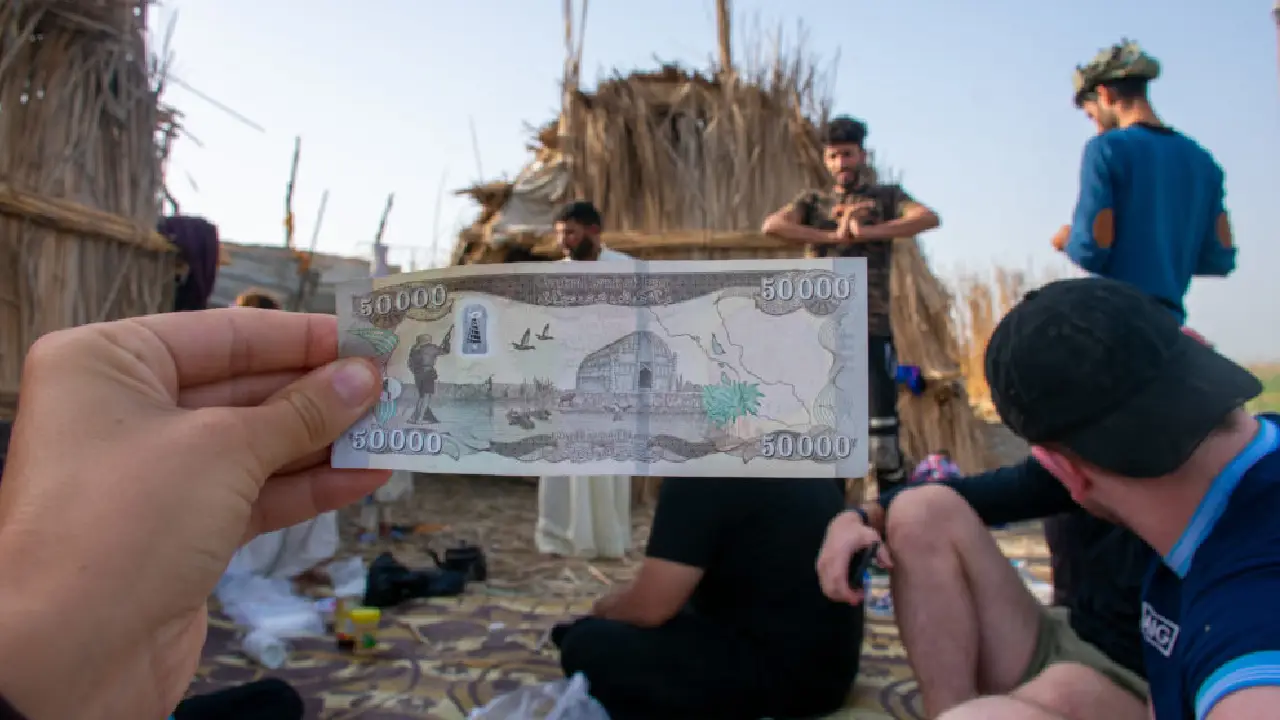
The Mesopotamian Marshes of the southern region of Iraq — shared by the provinces of Dhi Qar, Basra, and Maysan — are among the Earth's extraordinary ecological sites and perhaps one of Iraq offbeat destinations that is least explored as such. These expensive swamps, created where the Euphrates and the Tigris rivers meet before flowing into the Persian Gulf, have been occupied for more than five millennia.
The marsh people, the Ma'dan, have lived in this place since the time of Sumer and have built reed-made island houses and reed muddhi guesthouses in the same way. Their reed houses may well be the oldest known tradition that has been continued without interruption. It is shown on the Sumerian cylinder seals of 5 millennia before, and it is still built in the marshes.
Saddam Hussein in the 1990s for political reasons towards the Shia marsh people dried the wetlands in the South and restored Iraq to a pale similarity of its former wetlands. As of 2003, the influx of water has restored a huge percentage of the ecosystem. The Mesopotamian Marshes earned the status of a UNESCO World Heritage Site in 2016.
Where do you go when you have seen everything in civilized parts of Iraq? Travel advisors suggest Iraq offbeat destinations do more tourism.
Exploring the marshes in a conventional wooden boat – with its reeds all around rising above on both sides, intriguing and diverse wildlife - such as water buffalo roaming on muddy waters free from debris, or birds arriving in their hundreds of thousands during winter – multiple experiences are impossible without at least one trip where its practical form exists only in such places. To discern even one of the Iraq offbeat destinations would be easy, but none is quite how the Marshes are designed.
‘The Marsh’ are bird species’ heaven: they lie on the flyway of many bird species which migrate at some seasons due to the regions’ climate (temp), food sources such as fish and the vegetation in some areas such as swamps which usually attract these birds. One of the few birds presiding over this region is the Basra Reed Warbler which is indigenous and engages in nesting activities here. These waters are also frequented by Dalmatian Pelicans and Greater Flamingos, as well as by seasonal breeders of the African Darter species.
Spending a night in a maÊ¿dan ‘house’ in the marshes – sleeping on mats on a water-facing structure completely made from towering Phragmites reeds – is offered by some tourism operators in conjunction with the community. It is not the soft touch glamping after glide. It is a form of one of the most sacred ethnographic cultures that can be found.
For those who prefer historical explanations: many would argue that these marshes are in fact located where the famous Eden which is mentioned in the bible was located. The description of the meeting point of 4 rivers in the book of genesis fits well with very old geography of this region. When on a boat around dusk, the golden beauty of the reeds echoes the history of the place.
Another one that most tourists would fail to appreciate, which is also among six Iraq offbeat destinations, is the central part of Iraq with remarkable water resources – there is a huge marshland inside the arid areas.
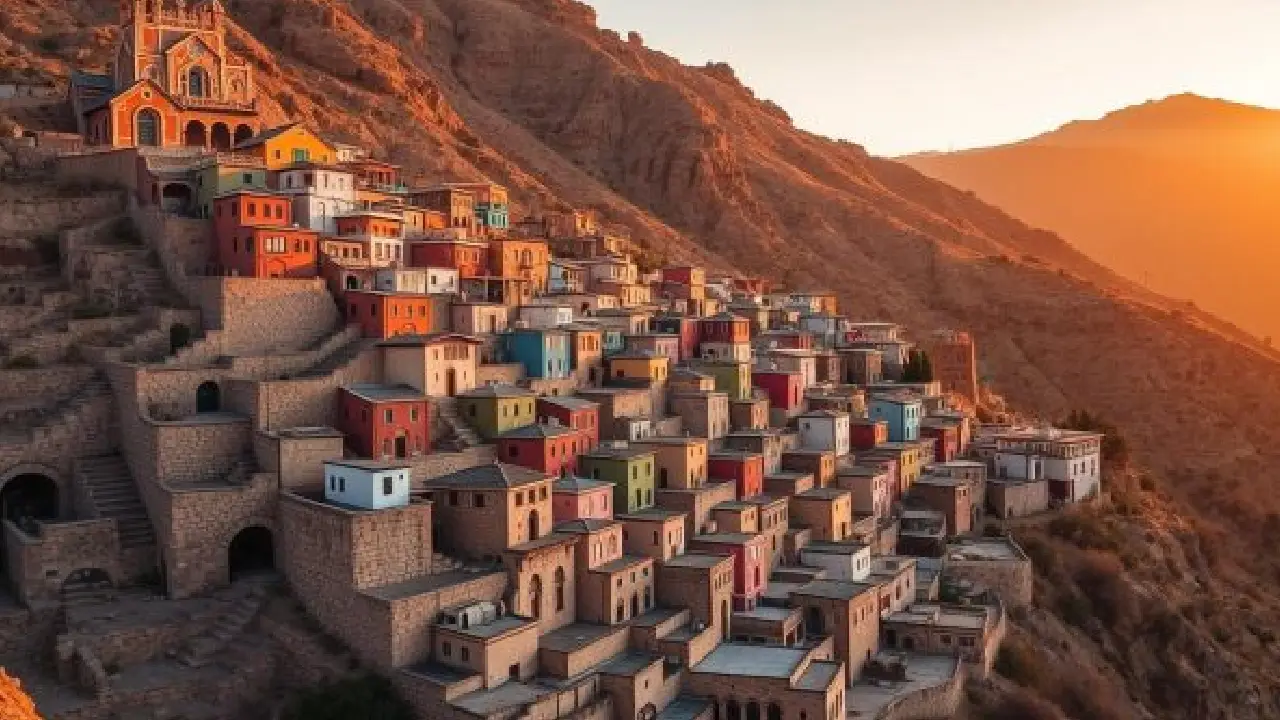
Amadiya (Amedi), situated in the Dohuk governorate in the Iraqi region of Kurdistan, is not only a town with great aesthetic value but is also among the less explored Iraq offbeat destinations due to its location in an elevated area. The town is on top of a flattened mountain that is nearly one and a half thousand meters high with virtually steep cliffs extending to green rich valleys all around it. There's only one road leading to the top of the plateau, and the town – its old narrow streets, ancient mosque, old city gate and mesmerizing views – is perched on this rocky platform.
Amadiya has at least been in existence from the 10th century BC and eventually developed to become one of the main cities of various societies for instances the Assyrian society. The streets evoke medieval times; the confined space of the town, building materials such as stone and mud bricks, and the dizzying and stunning sights from the lid of the table top in the valleys below.
There is a note-worthy beauty element to the valleys below Amadiya in Kurdistan, Iraq. Amadiya Iraq offbeat destinations such as the Barzan Valley, the Sidakan region or the Amadiya-Dohuk route feature mountain settings filled with terraced villages, scenic waterfalls, fruitful walnut trees and tall jagged Zagros.
In addition, the area has great historical importance being the district of Barzanis and a number of other societies whose history cannot be disassociated from the history of modern Kurds. Additionally, direct contacts with knowledgeable and experienced local people are guaranteed to make the visit an emotional one as well.
Lalish is among the top religious destinations for the Yazidi community. It is located in Northern Iraq within a lush secluded valley close to Zahko city and can be reached only via a mountainous snaking road. All over the world, only the atmosphere and culture of the Yazidis can be called ancient as the beliefs of this group was and is from the old Mesopotamia and Zoroastrianism, with a touch of Sufism.
According to Yazidis, part of the Lalish Temple - a smaller structure of temples with cone-shaped sticks, springs of holy water organized in a shrine, germs of olive trees - is where folks think that angels descended in the form of humans from simple means of a Peacock. There is a cultural practice which involves the visitors removing their shoes at the entrance of the valley and their organic walking on the old stones of the complex – this height of the order does exist and is considered in larger conformity despite the surface being trophic inclined. This is appreciated heartily by the members of this community as witnessed in history.
The temple buildings preserve a piece of history, and in some places, the sacred flame burns almost everywhere. There is a holy source of water beneath the main shrine. This place is so quiet and peaceful, its walls are old and thick so much so that every religion desires even without believing in any faith rather appreciating deeply an old religion that has been practiced bitterly.
The Yazidi people have been through hell, literally, after all in 2014 they were targeted for Genocide by ISIS and several thousands of them were killed and a lot more had to endure enslavement. Their most holy site in Lalish remained intact. Such a pilgrimage can also be taken as an act of support to the oppressed. Undoubtedly, that is, the most intense as well as the most beneficial experience in Iraq offbeat destinations.
The amazing site of Iraq of course refers to the ravines in Erbil governorate formed by Greater Zab in the north of Zagros mountains - the Rawanduz canyon is rarely mentioning within the Iraq offbeat destinations. There is no claim even higher the river is deep blue at the bottom of the gorge and the construction of a highway winding its way through the canyon is crossing the Hamilton Road, as an engineer turned up and seized upon a Scottish engineer of a family in the 1930’s residence in New Zealand and built this road.
The Rawanduz city itself is a major tourism sites in the region. Traveling to Rawanduz can be best described as hiking expeditions into numerous canyons near Rawanduz. In addition, tourists also travel to the Bekhal Waterfall and trek trough further canyons such as Gali Ali Beg until they arrive in Barzan Valley or other surrounding mountainous villages. This is the raw Iraqi Kurdistan, at least in terms of scenery, and very few foreigners visit this region.
Earlier than Nineveh, earlier than Nimrud, the initial center of the Assyrian Empire was Ashur, which is now known as Qal'at Sherqat, an archaeological locality, which is situated on the left bank of the Tigris River within Saladin Governorate. It is due to its state of abandonment and the pressure of considerable development that this ancient town site was declared a world heritage under UNESCO back in the year 2003. Moreover, this particular location is over one thousand years older than Nineveh.
Inside, the remnants of structures such as temples, palace complexes and the huge city defenses include a culture that would prevail over the greatest empire the ancient world had seen. It is a remote location in Iraq thus rarely receives visitors from foreign countries. It is also difficult to be had due to logistical reasons - however if one wants to go to Iraq offbeat destinations and is inclined to learn deep history of Iraq without the usual Mesopotamian stops, Ashur is unquestionably a very unique experience, since it goes to the roots of Assyrian dominance.
Arrangement of the visit demands the participation of a particular specialist and as such, it is not possible for outsiders to access the area, which due to being in a security zone necessitates permission from the authorities and contacts among tour operators.
Such an odd country as Iraq offbeat destinations offers another one.
The Barzan Valley in Iraq's Kurdistan region lies to the north of Erbil and the Bradost area, which is home to the Barzani tribe, features one of the most beautiful landscapes in Iraqi Kurdistan. The stone-walled mountain villages rest against the hills above the Greater Zab River. Walnut groves and pomegranate groves are located on the valley floors. The elevated coolness persists, even in the summer.
Hiking from one village to another in this region, staying overnight in village houses or simple mountain lodges there this kind of Iraq offbeat destinations tourism involves physical adventure, scenic beauty and people traditions in equal proportions. The mountain villagers of Kurdistan aforesaid are very much famous for their hospitality – they feed, house and feature guests to such an extent that an urban traveler rarely experiences such politeness.
This type of trekking trip necessitates plans and armies but nonetheless, the Kurdistan region has developed to a level where specialized travel agencies operate, providing well planned trekking tracks and the necessary support.
A 12-day offbeat Iraq circuit might look like this:
Days 1–2: Erbil — citadel, bazaar, Sulaymaniyah Museum Day 3: Drive to Amadiya — afternoon exploration of the plateau town and valley views Day 4: Rawanduz Canyon — Hamilton Road drive, Gali Ali Beg waterfall, canyon hiking Day 5: Lalish Temple and Yazidi heritage sites near Dohuk Days 6–7: Barzan Valley — village trekking, overnight in local guesthouse Day 8: Fly Baghdad — Iraq Museum visit Day 9: Ctesiphon Arch, then drive south Days 10–11: Mesopotamian Marshes — boat exploration, overnight in Ma'dan reed guesthouse Day 12: Return to Baghdad for departure
For a detailed logistics breakdown of this kind of circuit, our iraq itinerary resource covers offbeat routing specifically for travelers who want to go beyond the standard heritage sites.
Iraq offbeat destinations travel is specialist travel with costs that reflect the logistics involved. A 12-day circuit as described above typically costs:
Specialist tour package: $4,500–$7,500 per person
International flights from the US: $800–$1,300
Specialist travel insurance: $350–$550
Daily incidentals: $40–$70/day
For a full cost breakdown, our trip cost iraq guide covers offbeat regional pricing with current operator rates.
October through April is the best time to visit iraq for offbeat travel. The marshes are best in winter and early spring when birdlife is at peak. Mountain destinations in Kurdistan are best in spring (March–May) and autumn (September–November). Summer in the southern marshes is brutally hot — avoid June through August for that region.
Offbeat Iraq travel requires more specialist handling than the primary heritage circuit — the logistics are more complex, the operator relationships more specific, and the security coordination more nuanced. Midasia Routes has developed specific offbeat Iraq itineraries for US-based travelers who want to go beyond the standard route, working exclusively with vetted local operators whose expertise in these less-traveled regions is verified.
For travelers departing from the Southeast US, our Iraq tour package in Florida includes offbeat circuit options covering the Mesopotamian Marshes, Amadiya, and Kurdistan mountain routes — all with transparent pricing and full safety briefing documentation.
West Coast travelers can explore our Iraq tour package in California, which offers Kurdistan mountain and offbeat heritage combinations departing from LAX and SFO with efficient Gulf hub connections to Erbil.
For East Coast travelers, our Iraq tour package in New York covers JFK and Newark departures with flexible offbeat Iraq itineraries from Kurdistan trekking circuits to combined Marshes and Mesopotamian routes for qualified experienced travelers.
There are many Iraq offbeat destinations in the world. There simply isn’t any other country that can boast such a spread of amazing nature, existing almost virgin civilizations, and historical events that scream out page of their history books all but unseen. To put it more, there is a travelers’ group, for whom going to Iraq in a deeper way is all about the meaning and its scarcity value.
The Mesopotamian Marshes in the morning. The Amadiya Cliff’s Edge in the evening. The bare-footed walk in the valley of Lalish. The Rawanduz standing at the grand canyon floor. These are not a ‘second best’ for those who missed the famous sites. They are Iraq at its quiet best - the images that endure the longest in the memory precisely because their acquisition does not come easy.
Be rational. Choose your travel companions well. And see the hidden side of Iraq that few others have.
The Mesopotamian Marshes, the mountain town of Amadiya, the Yazidi temple of Lalish, the canyon of Rawanduz, and the Barzan Valley in Iraqi Kurdistan are among the Iraq offbeat destinations that attract a large number of travelers weary of traditional destinations — each of them simply does not have an equivalent elsewhere.
Iraq offbeat destinations include fascinating towns like Amadiya, Rawanduz, Lalish, and the Barzan valley. A niche market though, Iraq offbeat destinations are possible to visit courtesy of specialist operators that knows the country very well. Other possible excursions in the south such as the Mesopotamian marshes may only be arranged with sufficient security due diligence and the participation of skilled local tour operators. Confine plans to information enclosed within advice from governments in the present time and confirm hear-say tourism activities.
The recommended period extends from October to April. If interested in bird watching, then visit the Mesopotamian marshlands’ during winter or spring. You will appreciate the beauty of the Kurdistan mountains more during spring time from March to May and Autumn from September to November. Summer heat in southern Iraq is unbearable; therefore it is advisable to take vacations away from the coast during these months.
Certainly — a carefully-planned itinerary of 12–15 days can easily cover the main sites of Mesopotamia such as Babylon, Ur, or the Citadel of Erbil, as well as unusual places like the Marshes, Amadiya, Lalish, the Rawanduz Canyon, thus making the trip to Iraq complete. An expert will develop the spin so that there will be less Iraq offbeat destinations and will be reduced.
Partner with operators from Iraq who can demonstrate Iraq offbeat destinations experience and not Middle East operators who include Iraq in their offering. Ensure to get references from Iraq travelers who’ve used their services before, ensure their relationship with the on-ground partner and also their security procedures before signing a contract. There is a Midasia Routes approach for the provision of operator vetting paperwork to every potential client.
Your email address will not be published. Required fields are marked *