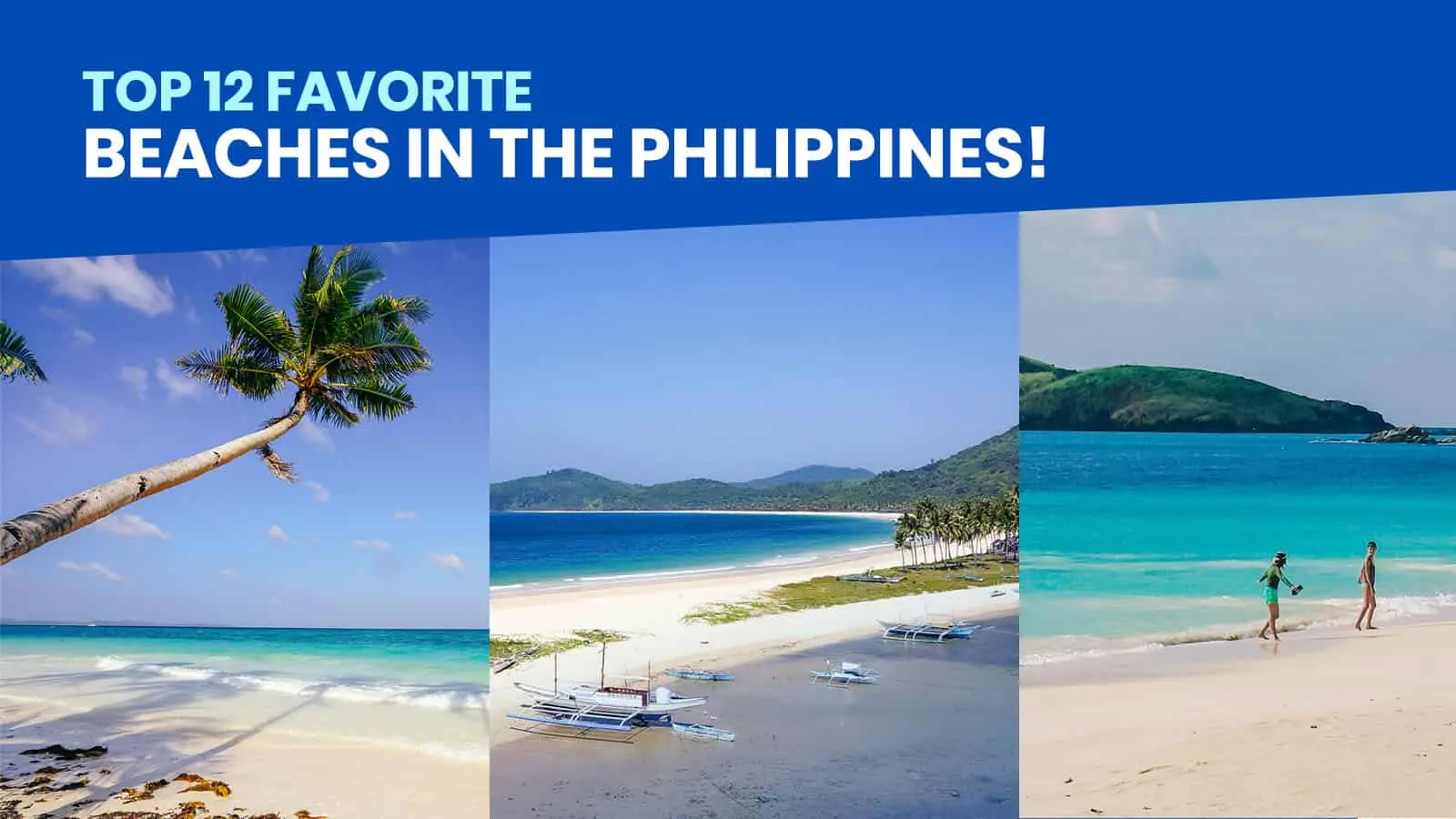
The archipelago known as the Philippines is a nation located in Southeast Asia. Surrounded by the South China Sea on the west and the Pacific Ocean on the East, it is wedged between Taiwan in the north, Malaysia in the South, and Indonesia towards the southwest. The country appears small on the world maps, but there is a vast expanse of land within the borders of the Philippines; such as the rice terraces in the Cordillera mountains of northern Philippines, the volcanoes in southern Mindanao and the islands of many regions located between these two landscapes.
The country has three main island groups:
Luzon — the largest island, home to Manila and Northern Philippines
Visayas — the central island group including Cebu, Bohol, and Boracay
Mindanao — the southern island group with its own distinct culture and landscapes
Filipino is the national language, but English is widely spoken across the country — making the Philippines one of the most accessible destinations in Asia for international travelers. The currency is the Philippine Peso (PHP), and the country uses a 220V electrical standard (bring an adapter if you're from the US).
For most international visitors, the Philippines is remarkably easy to enter.
Visa-free entry is available for citizens of over 150 countries, including the United States, United Kingdom, Canada, Australia, and all EU nations. On arrival, you receive a 30-day stamp at no cost. No prior application, no embassy visit, no visa fee.
Extending your stay is straightforward. The Bureau of Immigration (BI) offers extensions at their offices in major cities. A single extension adds 29 days and costs approximately $40–$50. Multiple extensions are possible, allowing stays of up to 12 months for most nationalities.
What you need on arrival:
A valid passport with at least six months validity beyond your intended stay
An onward or return ticket (occasionally checked at check-in or immigration)
Proof of accommodation (rarely requested but good to have)
Sufficient funds for your stay (vaguely defined — essentially just don't look like you have nothing)
There is no tourist tax on arrival, though some cities and islands charge small environmental or tourism fees when you enter specific protected areas.
This is genuinely one of the most important decisions in your Philippines travel planning — and the answer depends on where you're going.
The dry season is broadly the best time to visit Philippines for beach destinations. Skies are clear, seas are calm, and island-hopping is at its most reliable. Within this window:
December to February — peak season with the best weather, festive atmosphere, and highest prices. Book accommodation and domestic flights well in advance.
March to May — hot and dry, with less crowds than peak season. Prices begin to ease. An excellent time for Palawan and most Visayas destinations.
November — excellent weather with shoulder-season pricing. One of the best value months to visit.
As this happens, the habagat (southwest monsoon) will be in full swing during most months, bringing with her rains and the occasional tropical storms depending on which part of the country ones finds themselves-in. While some parts of the country have less of it, others are extremely affected.
The September period brings some excellent surfing conditions in Siargao though. In addition, Eastern Visayas comes along with some reprieve for there isn’t much rain during this time.
You can enjoy budget Philippines travel if you are willing to plan outside the high season . Weather turns favorable in early November or late December when tourism has not yet peaked and when many family trip offers in the Philippines are accessible.
Palawan is the headline act of Philippines travel for a reason. The island province stretches 450 kilometers from north to south and encompasses some of the most dramatic marine and terrestrial ecosystems in the world.
El Nido draws travelers with its towering karst limestone cliffs, hidden lagoons, and world-class island-hopping tours. Coron offers wreck diving among WWII Japanese shipwrecks and the otherworldly Kayangan Lake. Puerto Princesa is home to the Underground River — a UNESCO World Heritage site and one of the New Seven Wonders of Nature.
No Philippines travel guide is complete without noting that Palawan requires advance planning. Domestic flights book out fast during peak season, and accommodations in El Nido town fill up weeks ahead. Build this into your philippines itinerary planning early.
Cebu City is the Philippines' second-largest urban center and the transport hub of the central islands. It's a practical base that also happens to have genuine character — colonial churches, street food culture, and some of the best lechon (whole roasted pig) on the planet.
From Cebu, day trips and short journeys reach:
Oslob whale shark snorkeling
Kawasan Falls canyoneering in the south
Malapascua Island (thresher shark diving)
Bantayan Island (quiet beaches, minimal crowds)
Bohol (Chocolate Hills, tarsiers, Panglao diving)
The Cebu-based philippines itinerary is one of the most efficient combinations for travelers with 7–10 days.
From being predominantly on the surfers’ circuit, Siargao has a created a well-linked island narrative. Surfers still head to Cloud 9, however, many non-surfers now visit Siargao thanks to Sugba Lagoon, Naked Island, the mangrove river trips, and the OK easygoing, interesting residents and their trajinera clubbing.
The accommodation options range the dorm beds costing $10 to the expensive boutique hotels and the restaurants – comprised food joints serving seafood and other international cuisines – are this good for an island in this size.
Bohol is a Visayas island that rewards slower travel. The Chocolate Hills (1,268 symmetrical limestone mounds visible from a hilltop viewpoint) are rightly famous. But Bohol also has the Philippine Tarsier Sanctuary, the Loboc River cruise through dense jungle, and the historic Baclayon Church — one of the oldest churches in the Philippines.
Panglao Island, connected to Bohol by bridge, adds excellent diving, Alona Beach's social scene, and easy access to offshore dive sites known for diverse marine life.
A lot of tourists tend to view the capital city, Manila, as a stopover. This is fair and not surprising – since this city can be too much to take in from the starting point, it does deserve attention. Intramuros is the oldest among Asia’s walled cities as well as one of the most historic of cities, established by Spaniards in 1571. In contrast, Bonifacio Global City is developed, pedestrian-friendly, and has a multitude of dining options. Francisco Rizal’s classic paintings can be found in the National Museum of Fine Arts. Moreover, the view of the setting sun from the Manila Bay shores is nothing short of astounding.
Spend some two days in the capital and this will bring you more appreciation of all the sights you see in the country.
Planning your finances is a core part of any Philippines travel guide. Here's an honest breakdown.
Budget traveler: $35–$55/day Covers dorm accommodation or fan-room guesthouses, local food from markets and carinderias, shared island-hopping tours, and tricycle or jeepney transport.
Mid-range traveler: $70–$120/day Private air-conditioned rooms, restaurant meals, occasional domestic flights, and guided activities like diving or canyoneering.
Comfort/luxury traveler: $150–$300+/day Mid-range to upscale resorts, private island-hopping charters, fine dining, spa treatments, and premium domestic connections.
International flights from the US: $600–$1,400 depending on season and departure city
Domestic flights: $25–$80 per leg (book early for the best prices)
Accommodation: $10–$300/night depending on tier and destination
Island-hopping tours (shared): $12–$25 per person
Diving: $25–$45 per dive, $300–$400 for PADI Open Water certification
Meals: $1.50–$15 depending on where you eat
Local transport: $0.50–$5 for most inter-city rides
For a granular, destination-specific breakdown, our trip cost philippines resource covers individual island costs with current pricing.
The Philippines requires a combination of domestic flights, ferries, and local transport. Here's how to think about it:
Domestic flights are the fastest way to cover long inter-island distances. Cebu Pacific and AirAsia Philippines are the main budget carriers. Book 6–8 weeks ahead for peak season.
RO-RO ferries and fast craft connect many island pairs efficiently. Cebu to Bohol takes about 2 hours. Manila to Coron is an overnight ferry (12+ hours) — book a cabin for overnight trips.
Jeepneys are the iconic Filipino public bus, operating fixed routes at minimal cost ($0.15–$0.50 per ride).
Habal-habal (motorbike taxis) are common on smaller islands and essential in places like Siargao.
Tricycles (motorbike with sidecar) handle short intra-town distances for $0.50–$2 per ride.
Travel insurance is non-negotiable. Medical facilities vary significantly between Manila and smaller islands. A policy covering emergency medical evacuation is worth every cent.
Tap water is not safe to drink in most areas. Bottled water is cheap and widely available. Bring a reusable bottle and use refill stations where available.
Typhoon season (June–October) can cause significant travel disruptions. Check weather forecasts and have flexible booking arrangements during this period.
Sun protection is critical — the Philippines sits close to the equator and UV levels are intense year-round.
The Philippine Peso (PHP) is the currency. As of mid-2025, the exchange rate hovers around PHP 55–58 per USD.
ATMs are widely available in cities and tourist areas. Smaller islands may have unreliable ATMs or none at all — carry sufficient cash before heading to remote areas.
Credit cards are accepted at hotels, larger restaurants, and tour operators in tourist zones. Carry cash for markets, street food, and local transport.
Planning a Philippines trip involves more moving parts than most international destinations — multiple islands, domestic flights, permits, and seasonal timing all need to align. A curated package takes that complexity off your plate.
For travelers departing from the Southeast US, our Philippines tour package in Florida covers convenient connections from Miami and Orlando with carefully designed island itineraries that minimize transit time and maximize time in the water.
If you're on the West Coast, our Philippines tour package in California is built around LAX and SFO departures — some of the most efficient routes to Manila. We pair smart flight connections with curated island combinations suited to California travelers' schedules and travel styles.
East Coast travelers can explore our Philippines tour package in New York, which covers JFK and Newark departures with flexible 10 to 14-day itineraries. Whether you're prioritizing Palawan, the Visayas, or a combination, we build the plan around what matters most to you.
Midasia Routes handles all the logistics — domestic flights, accommodation, permits, guided experiences, and on-ground support — so your Philippines trip runs smoothly from the moment you land.
Every type of traveler is able to get the most out of the trip to the Philippines — however, those who are smart in planning their trip get the most out of it all. Knowing when to go, who spends how much and how to island hop helps distinguish an ordinary trip from a perfectly planned holiday.
The team at Midasia Routes has assisted the foreign tourists from multiple countries with making the best of their time in every corner of this scenic, open-ended and inspiring nation. We can help you do exactly that if you seek for someone to create a particular itinerary for you and your partner, and much more if that is full service.
Presently, go through the all-ready packages of the philippines holiday packages or reach out to the travel team to stitch a budget Philippines travel plan.
A Philippines travel guide may assist you in finding your way, however, no guidebook can promise and describe the experience of floating above the coral garden of Coron, witnessing first light at the Chocolate Hills or simply doing nothing on a beach at Siargao. The Philippines is rather a unique destination worth going to as it offers exhaustively each and every traveler.
Carry out a structured plan. Move at a snail’s pace while on any mission. Eat food sold along the streets. Interact with the natives. And keep off any ideas of spending all your time camped on Boracay.
It is understandable that since many Filipinos are in extreme poverty, economy travel particular to Philippines is highly sought for.
On arrival, citizens of the USA, the UK, Canada, Australia and the EU including most other Western nations are granted a 30 day visa free VISA without need for any pre-application. There is a possibility to extend their visa by contacting the Bureau of Immigration.
As for budget Philippines travel, I must mention that I have never flown to the Philippines itself though.
The period between November and May is usually most perfect, although the months between December and February are the driest and most stable. In November and early December the weather is quite very good and the rates are lower compared to the high season.
In general, a vacation to the Philippines lasting mid-range for about 10 to 12 days should cost an average of $2,000 to $3,500 per person, this estimation is inclusive of overseas ticket fare. It is also possible for travellers to do budget Philippines travel for between $1,200 and $1,800, whereas high-end travel begins at $4,000.
Absolutely. Of all the Asian countries, the Philippines is one of the best when it comes to proficiency in the English language. It is considered an official language of the country with English being included in the education curriculum as well as spoken in commercial, tourism and social interactions on a daily basis.
Visiting two or three islands in a span of ten days is perhaps the most recommended itinerary. To aim for more than three, on the other hand, is a recipe for disaster – traveling through more airports than there are islands in the archipelago can easily be an elusive and unaccomplished goal. Try to travel to fewer places but experience more and that is the suggestion nearly all seasoned budget Philippines travel experts would make.
Your email address will not be published. Required fields are marked *