The common tourist experience of Sri Lanka focuses on a limited selection of beaches which include two specific sites known as Sigiriya and Kandy. The actual experience of Sri Lanka is not developed until you create a complete travel itinerary that connects all its historical sites and tea plantations and nature reserves and oceanfront areas into a unified travel experience which provides actual value to visitors. The well-structured travel plan for Sri Lanka allows visitors to explore multiple destinations within a seven to ten day timeframe. The island requires one day of travel to reach any major destination since its size allows visitors to encounter various landscapes and cultural experiences which change from one day to the next. Ancient rock fortresses. Sacred Buddhist temples. Tea plantations which rise above the clouds. Leopards which inhabit dry scrubland. Southern coastal areas provide opportunities for whale watching. Colonial ports which face the Indian Ocean serve as historical sites.
The guide provides two different travel itineraries which include a 7-day itinerary and a 10-day itinerary and complete practical details about transportation and lodging and expenses and all the essential arrangements which create a special travel experience.
Sri Lanka requires an Electronic Travel Authorization (ETA) for most nationalities including US, UK, EU, and Australian passport holders. Apply online at eta.gov.lk before departure. The cost ranges from $35 to $50 USD based on the applicant's nationality. The processing time typically takes between 24 to 72 hours. Do not leave this until arrival — the on-arrival process is slower and more expensive.
The main international gateway to Sri Lankan air travel operates from Bandaranaike International Airport which is located in Negombo and situated 30 kilometers north of Colombo. Most travelers from the US connect through Dubai, Doha, Abu Dhabi, or Singapore. US cities offer round-trip flights which cost between $800 and $1,400 USD for economy class when passengers book their tickets two to three months before departure.
The smaller airport at Mattala Rajapaksa (HRI) near Hambantota in the south provides limited service but operates charter flights to southern beach destinations.
People who want to travel through Sri Lanka should use driven private vehicles because these vehicles provide the best combination of comfort and time-saving efficiency. For short trips between different parts of a town, tuk-tuks provide an excellent transportation solution. Although the train network offers beautiful views, it operates at a slow speed which makes the Kandy to Ella route a worthwhile experience for its scenic beauty. The island has domestic flights which operate throughout its territory but most people do not need to use them because of its small size.
Colombo and several major towns serve as operational areas for Uber. The only dependable transportation method for areas beyond urban centers requires users to schedule their private vehicles in advance.
Sri Lanka uses the Sri Lankan Rupee (LKR). ATMs are widely available in cities and tourist areas. USD cash is useful as a backup but not universally accepted outside tourist zones.
Daily budget ranges per person:
Budget traveler: $35–60 USD
Mid-range: $80–140 USD
Luxury: $200–500+ USD
The full trip cost Sri Lanka breakdown — covering accommodation tiers, transport, safari fees, and activity costs — gives you a complete picture before you start booking.
The 7-day Sri Lanka itinerary helps travelers who have limited time to visit all major attractions of the country without feeling like they need to complete a checklist. The route provides a logical travel path between the cultural triangle and hill country and wildlife areas and coastal regions.
Land at Bandaranaike International Airport, clear customs, and transfer to your hotel. If you arrive in the morning or early afternoon, Colombo rewards a half-day of exploration.
What to do:
Walk the Pettah bazaar district — one of South Asia's most sensory commercial neighborhoods, a dense maze of spice merchants, fabric traders, and street food stalls operating across multiple religions and ethnicities simultaneously
Visit Gangaramaya Temple near Beira Lake — a fascinating complex combining traditional and contemporary Buddhist architecture with an extraordinary museum of donated objects from across Asia
Stroll through the Dutch Hospital precinct — a 17th-century VOC building converted into restaurants and boutique shops, reflecting Colombo's layered colonial identity
If you arrive late, rest. The itinerary starts properly tomorrow and the island is long.
Stay: Colombo city hotel — budget ($30–60), mid-range ($80–150), luxury ($200–400+)
Drive north from Colombo to Dambulla — approximately 3.5–4 hours by private vehicle. This is one of the longer driving days in the itinerary, but the road passes through changing landscapes of coconut plantations, paddy fields, and gradually drier scrubland as you move into the north-central plains.
Afternoon: Visit the Dambulla Cave Temples — five ancient caves in a granite hilltop containing 153 Buddha statues and over 2,100 square meters of ceiling and wall paintings spanning multiple centuries of Sri Lankan Buddhist art. The site is a UNESCO World Heritage Site and consistently one of the most visually overwhelming religious environments in the country.
The caves are best visited in the morning or late afternoon to avoid midday heat and the busiest crowd windows. If you arrive by early afternoon, the light is still good and crowds are manageable.
Stay: Dambulla or Sigiriya area guesthouse or boutique hotel
Wake early. Sigiriya is best in the morning before the day heats up and before the main crowd of day visitors arrives from Colombo.
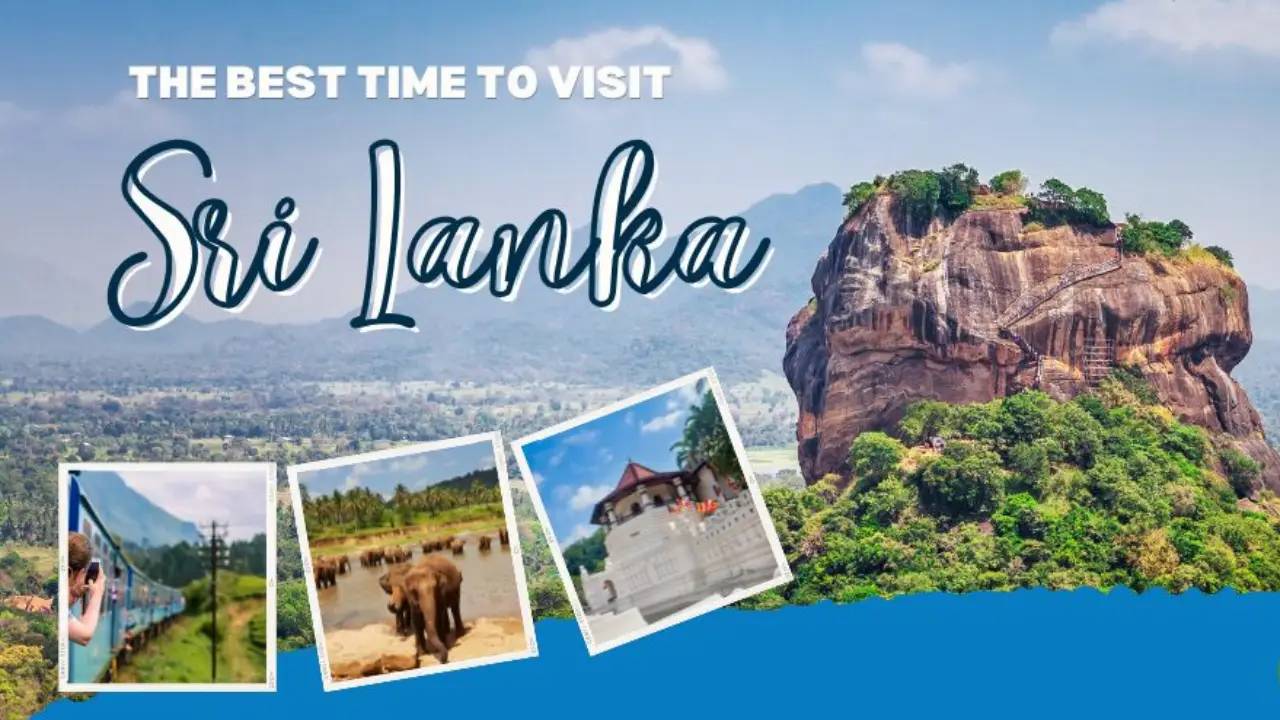
The Sigiriya climb takes approximately 90 minutes one way and involves a dramatic section crossing iron-bracket walkways embedded into the vertical rock face. The famous 5th-century frescoes of celestial maidens are visited midway up. The summit — where the foundations of a palace built by King Kasyapa I in 477 CE spread across a flat granite plateau — delivers 360-degree views across jungle, ancient reservoirs, and the distant hills of the cultural triangle.
Afternoon: Drive 30 minutes south to Polonnaruwa — the medieval royal capital of Sri Lanka from the 10th to 13th centuries. Rent a bicycle at the entrance (the best way to cover the site) and spend 2–3 hours exploring:
The Royal Palace complex
The Quadrangle's miniature temples and Tooth Relic House
The Gal Vihara — four colossal Buddha figures carved directly into a single granite outcrop, considered the masterpiece of Sri Lankan sculpture
Stay: Polonnaruwa or return to Dambulla area
Drive south from the cultural triangle to Kandy — approximately 2.5–3 hours. The road climbs gradually from the dry northern plains into greener, cooler hillside country as you approach Sri Lanka's last royal capital.
Afternoon and evening in Kandy:
Visit the Temple of the Sacred Tooth Relic (Sri Dalada Maligawa) — the most important Buddhist site in Sri Lanka, believed to house a tooth relic of the Buddha. The evening puja at 6:30pm — drums, incense, the ceremonial opening of the inner chamber — creates an atmosphere of devotional intensity unlike anything else in the country.
Walk the Kandy Lake promenade at dusk, when the water reflects the surrounding hills and the city's pace slows noticeably
Attend a Kandyan dance performance — most major hotels and a dedicated cultural center near the lake offer nightly performances of traditional drumming and dance forms that have been practiced for centuries
Stay: Kandy — strong range of options from budget guesthouses to heritage boutique hotels overlooking the lake
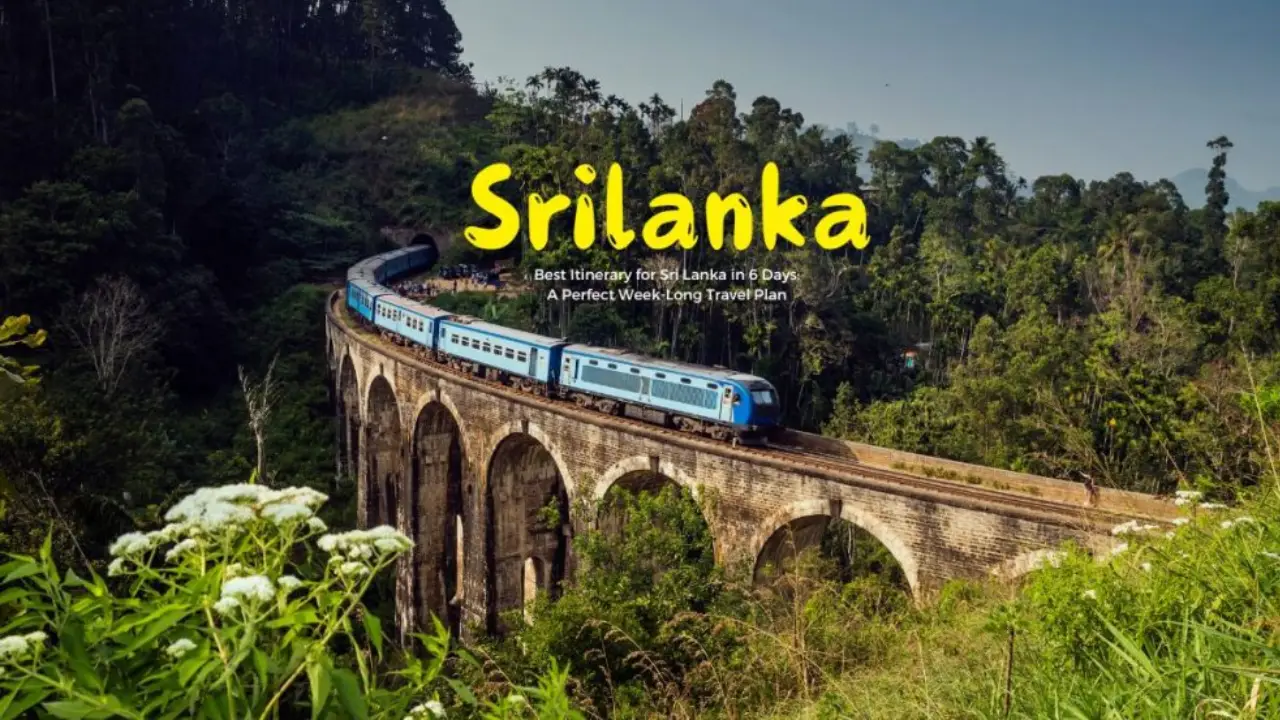
This is the day most travelers on a Sri Lanka itinerary remember longest — not for a specific monument or wildlife sighting, but for a train journey. The Kandy to Ella railway route which goes through Nuwara Eliya has gained recognition as one of the world's most picturesque train routes. The colonial-era train moves through tea estate areas while it crosses tall viaducts that span forested valleys and travels through cloud-forest tunnels and provides passengers with panoramic highland views from its open carriage doors.
Trains depart Kandy multiple times daily; the journey to Ella takes approximately 6–7 hours
Book observation car seats (2nd class reserved) well in advance — they sell out weeks ahead during peak season
Alternatively, travel to Nuwara Eliya by road and board the train for the shorter but equally spectacular Nuwara Eliya to Ella segment (approximately 3 hours)
Walk to the Nine Arch Bridge viewpoint — a 15-minute jungle trail leading to an overlook of the colonial-era stone viaduct, best photographed when a train crosses (timing available locally)
The town itself is small, relaxed, and filled with good restaurants and a genuine backpacker energy that somehow doesn't feel irritating
Stay: Ella — wide range of budget guesthouses to boutique eco-lodges with valley views
Drive south and east from Ella to Yala National Park — approximately 2.5 hours. Arrive in the afternoon, check into your lodge, and prepare for an early start.
Yala National Park covers 979 square kilometers of dry scrubland, lagoons, and coastal forest in Sri Lanka's southeastern corner. It has the world's highest documented density of wild leopards and also hosts large elephant herds, sloth bears, water buffalo, mugger crocodiles, and exceptional birdlife.
Afternoon game drive: Enter the park for a late afternoon safari (approximately 3–6pm) when animals are more active as the heat drops. Leopards are most commonly sighted in late afternoon, stretched on rocks or moving through scrubland in the cooling light.
Morning of Day 7 (early): The best Yala experience comes from a 5:30am park entry — before the heat builds and before the majority of jeeps enter. Early morning game drives consistently produce the best wildlife sightings and the most extraordinary light for photography.
The southern coastal highway connects Yala to Mirissa and Unawatuna with a driving distance of 2 hours. The southern coast of Sri Lanka presents its most beautiful beach coastline which features developed areas that create perfect conditions for visitors to experience sensory relaxation on their last day of vacation after their temple visits and train rides and wildlife encounters.
Mirissa is a small crescent bay with calm swimming, good snorkeling, fresh seafood restaurants right on the beach, and — from November through April — morning whale watching boat departures that rank among the finest cetacean experiences in the Indian Ocean.
Unawatuna offers a protected horseshoe bay with calmer water than Mirissa, good snorkeling on the reef, and a slightly more social beach atmosphere.
Transfer to Colombo airport the following morning — approximately 2.5 hours from the south coast. Build in departure buffer time; the airport highway can be slow during peak hours.
The 7-day framework covers the essentials well. Three additional days allow meaningful additions that significantly enrich the overall journey.
Travelers should stop in Nuwara Eliya because it serves as the highest point in Sri Lanka at 1868 meters and contains a colonial hill station which displays its exceptional character to visitors who pass through its grounds. Visitors can explore the complete tea-making process at Pedro Tea Estate and Mackwoods Labookellie which serve as tea production facilities. The Hill Club serves as a British colonial members' club which offers high tea within its dining room space that displays hunting trophies and a fireplace while visitors enjoy afternoon tea service at one of Sri Lanka's most unique cultural experiences. The Nuwara Eliya botanical gardens and market require visiting before travelers depart for the Ella train station in the evening.
The old town of Galle which UNESCO World Heritage Site status protects, shows South Asian countries their best example of European colonial architectural style. The Dutch constructed the fort in the 17th century, using the Portuguese foundation work to create a protected area that contains operational churches, mosques, temples, boutique hotels, excellent restaurants, and art galleries within its historical defense walls.
The sunset walk along the fort walls presents a peaceful experience that shows the Indian Ocean to three sides and the old town which stands behind you. Galle serves as a suitable stop between the south coast and Colombo during the last day of a 10-day itinerary.
For travelers whose primary focus on Sri Lanka their planned activities need to replace Yala National Park with Udawalawe National Park, which offers an entirely different safari experience.
The Udawalawe National Park area features a major reservoir which serves as its central water source while supporting a resident group of 600 Asian elephants. The elephant herds at Yala National Park do not achieve the same levels of elephant sightings which occur at the water site because herds visit the location throughout the entire day. At Udawalawe visitors regularly encounter a sight which displays 50 to 80 elephants walking across an open plain during afternoon hours and this experience remains special at every encounter.
Visitors to Sri Lanka can create their ideal travel schedule by using the entire island as their exploration base. The hidden gems of Sri Lanka which standard travel packages completely overlook create special Discovery experiences that experienced travelers describe as their most unforgettable travel moments.
Jaffna Peninsula — the Tamil cultural heartland in Sri Lanka's far north, with a distinct cuisine, Hindu temple traditions, Dutch fort architecture, and a landscape of palmyra palms unlike anything in the south. Fully accessible since the end of the civil conflict and dramatically undervisited.
Arugam Bay — the east coast's surfing hub and one of Asia's finest right-point surf breaks, surrounded by a lagoon system rich in wildlife and a laid-back community atmosphere that the south coast has largely lost.
Kalpitiya — a peninsula on the northwest coast, the center of Sri Lanka's kitesurfing scene and one of the best places in the world to encounter large spinner dolphin pods from November through April.
Knuckles Mountain Range — a UNESCO World Heritage landscape of cloud forest, waterfalls, and traditional villages within day-trip distance of Kandy, almost entirely unknown to international travelers.
Ritigala — a ruined forest monastery in the north-central plains, hidden in a nature reserve, accessible only on foot, and carrying an atmosphere of genuine mystery that more famous sites cannot replicate.
The full travel guide Sri Lanka resource covers each of these destinations with detailed access information, best seasons, and itinerary integration advice.
Travelers who visit New York to experience Sri Lanka for the first time or to return to Sri Lanka find it easier to create a complete travel plan because dedicated specialists help them schedule their travel to different regions and reserve safari vehicles and train tickets and arrange their private transportation throughout the country. A Sri Lanka tour package in New York through Midasia Routes gives you an expert who has traveled these routes, knows which lodges deliver genuine value, and builds your itinerary from scratch around your specific interests.
The West Coast travelers who intend to visit Sri Lanka can select a tour package offered through Midasia Routes from California which includes all necessary travel arrangements to Los Angeles or San Francisco while executing their departure from these cities to Sri Lanka. The package creates your ideal travel route which decreases your physical weariness while providing you with the experiences that matter most to you which includes Yala leopard safaris and Mirissa whale watching and Kandy cultural immersion.
The Midasia Routes team in Florida provides American travelers who want to visit Sri Lanka with an all-inclusive travel package which includes every essential travel service starting from visa processing assistance until they reach the Colombo airport.
Book the Ella train early. The observation car on the Kandy to Ella route sells out weeks ahead during October through March. This is not an exaggeration. Book the moment your dates are confirmed.
Don't underestimate driving times. Sri Lanka's roads are better than they used to be but journey times are consistently longer than maps suggest. A 150km drive can take 3.5 hours. Always build travel time generously into your daily planning.
Start safaris as early as possible. Yala and Udawalawe wildlife is most active in the first two hours after park opening (typically 6am). Booking the earliest available game drive slot makes a genuine difference to sighting quality.
Carry cash outside cities. ATMs thin out significantly beyond Colombo, Kandy, and the main tourist towns. Stock up before heading into the cultural triangle or the national park areas.
Dress appropriately for temples. Shoulders and knees must be covered at all Buddhist and Hindu religious sites. A lightweight sarong or scarf takes up no space and solves this problem entirely across the Sri Lanka itinerary.
Allow at least one unscheduled afternoon. The best travel experiences in Sri Lanka — a conversation with a tea plucking family, a local bus ride through a village market, an unplanned detour to a roadside temple — happen in the spaces between scheduled activities. Don't fill every hour.
Checking the Sri Lanka holiday deals available through specialist operators versus booking components independently often reveals meaningful savings — particularly on combined accommodation and transport packages that include national park access.
A properly planned Sri Lanka itinerary delivers one of the most diverse, beautiful, and genuinely surprising travel experiences available anywhere in Asia. The island earns its growing reputation — not through marketing or infrastructure investment, but through the actual quality of what it contains and the warmth of the people who share it with visitors. A seven-day period shows why travelers return to this destination. A ten-day period shows which visitors choose to stay. The Sri Lanka itinerary takes you on a journey that exceeds common expectations for an island of this size and it makes you want to visit again before you reach the airport.
Seven days is enough for a meaningful and rewarding Sri Lanka experience — particularly if you focus on the cultural triangle, hill country, and one wildlife destination rather than trying to cover the entire island. The 7-day itinerary in this guide covers Dambulla, Sigiriya, Polonnaruwa, Kandy, Ella, Yala, and the south coast in a logical flow that doesn't feel rushed. The 10-day period provides multiple new experiences which require deeper exploration of each activity.
The most logical travel route for a Sri Lanka itinerary is: Colombo — Cultural Triangle (Dambulla, Sigiriya, Polonnaruwa) — Kandy — Hill Country (Nuwara Eliya, Ella) — Wildlife (Yala or Udawalawe) — South Coast (Mirissa, Galle) — return to Colombo. This route follows a natural geographic loop that minimizes backtracking and keeps driving days manageable.
The best time to visit Sri Lanka exists between November and March because this period provides ideal dry weather for exploring the west coast, south coast, cultural triangle, and hill country. The east coast and Arugam Bay surf season runs from May to September. The peak season occurs during December and January when national parks experience higher visitor numbers and hotels charge their highest rates. The best time to visit Sri Lanka varies slightly by region, so always confirm conditions for your specific destinations before booking.
A 7-day mid-range Sri Lanka itinerary typically costs $1,800–2,800 USD per person including accommodation, private transport, safari fees, entrance costs, and most meals — excluding international flights and visa. The 10-day version requires an extra cost between $600 and $900 at mid-range. The trip cost Sri Lanka varies significantly based on accommodation choices — upgrading from boutique guesthouses to heritage hotels or eco-lodges adds cost but delivers meaningfully better experiences at most destinations.
The cultural triangle experience receives major enhancement through the presence of a private guide. The presence of a knowledgeable guide at Sigiriya Polonnaruwa and Dambulla cave temples enables visitors to experience the historical sites as alive and meaningful historical accounts. Every jeep safari requires licensed naturalist guides who accompany all safari bookings. The hill country and beach areas only require drivers who possess local area expertise. Midasia Routes provides carefully selected specialist guides for every section of the Sri Lanka itinerary where expert knowledge makes a genuine difference.
Ready to plan your perfect Sri Lanka itinerary? Contact Midasia Routes today and let our Sri Lanka travel specialists build your 7 or 10-day journey — from Cultural Triangle logistics to Yala safari bookings to that Ella train reservation — handled with care from the first inquiry to the final day.
Your email address will not be published. Required fields are marked *