You have completed flight bookings and downloaded multiple maps which now enable you to travel through Asia. The situation brings genuine excitement. Asia offers travelers the most diverse and vibrant and fulfilling experience which exists on Earth. The destination presents a major obstacle because travelers often commit basic errors which lead to trip disruptions and financial losses and uncomfortable or perilous situations.
For several years, I have traveled through various Asian countries and I have witnessed myself and others commit these particular errors. I have observed travelers who repeat the same mistakes throughout their time spent traveling. The guide provides you with necessary information which will help you avoid the coming obstacles. The travel mistakes Asian visitors make most often to Thailand, Japan, Vietnam, India, and Indonesia appear in this guide with complete solutions for their elimination.
To make your travel experience smoother and error-free, Midasia Routes helps travelers plan smarter itineraries, avoid common mistakes, and ensure a safe and well-organized journey across Asia.
People who travel to Asia make their most significant mistakes because they believe they can visit without any planning. The entire continent of Asia operates under different rules which apply to different people. Countries establish their own visa requirements which they update at irregular intervals. Certain nations permit travelers to obtain visas upon arrival while others mandate advance applications for several weeks and specific passport holders can enter without visas.
You need to verify all official embassy and immigration information from the websites of each country you plan to visit before your flight. You should avoid using blog articles from three years ago because rules have undergone changes. The Southeast Asian region requires this information when you visit multiple countries.
The continent of Asia contains some of the most ancient and widely honored cultural traditions throughout the world. Visitors to Asia frequently commit the common error of using temples and shrines and local traditions as mere photo backdrops for their Instagram posts.
Visitors to religious sites must maintain a dress code that requires them to wear modest clothing. The Buddhist temples of Thailand and Cambodia require visitors to cover both their shoulders and knees. In Japan, bowing serves as the proper greeting showing respect to others yet people should not use tipping as a way to show their appreciation (the Japanese view tipping as an offensive act). In Indian culture, people need to take off their footwear when they enter homes and temples. People who visit Muslim-majority regions in Malaysia and Indonesia should avoid wearing revealing clothes and should show respect during designated prayer times.
Locals will become more friendly towards you when you show respect by taking three minutes to understand the basic cultural rules of your destination.
First-time travelers to Asia make this common error. People either pack way too much and end up dragging massive suitcases through narrow alleyways and on packed overnight trains, or they forget the essentials entirely.
The climate in Asia stretches from Vietnam's tropical humidity to Nepal's frigid mountain atmosphere. Pack light, breathable clothing if you're staying in Southeast Asia. Bring a good rain jacket if you're traveling during monsoon season. And always, always bring a power bank — because you'll be using your phone constantly for navigation and translation.
One thing many travelers forget? A small padlock for hostel lockers, flip flops for bathroom-style guesthouses, and a reusable water bottle with a filter if you're visiting areas with questionable tap water.
The best travel safety tips should be discussed because their absence creates dangerous situations. The rest of Asia presents safe travel conditions but travelers should remain aware of specific local dangers which include scams and petty theft and traffic hazards and certain locations which present more severe threats.
Here are some travel safety tips every Asia traveler should know:
You should create both digital and physical copies of your passport and visa and travel insurance documents. You should divide your cash among three locations which include your bag and wallet and a concealed money belt. The taxi system in tourist areas should be approached with caution because it presents high risks of taxi scams. You should use metered taxis and trusted apps like Grab instead of accepting random offers. People should avoid walking alone through unfamiliar areas after midnight. The necessity for travel insurance exists. The need for travel insurance stands as a serious requirement. The medical costs after any accident will reach extremely high levels which will require your emergency medical evacuation.
Here is the common financial travel mistake which first-time travelers to Asia make all the time. Airport exchange rates are notoriously bad. The local ATMs and licensed money changers in city centers provide you with much better rates than the airport exchange rates.
The airport should only be used to exchange an amount which will cover your transport needs and your initial meal costs. You should notify your bank about your travel plans to prevent your card from being blocked.
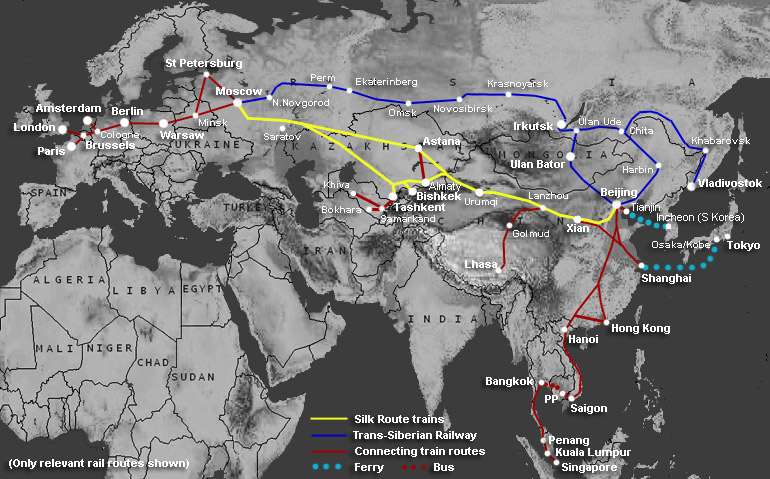
The size of Asia stretches throughout its entire landmass. This is a travel mistake that catches even seasoned travelers off guard when visiting new parts of the continent. People who check maps for distance measurements will discover that their assumption about nearby locations will result in 12-hour bus rides or overnight train trips or they will need to pay for expensive last-minute flights.
Travelers should research all travel times that exist between their selected destinations because they need to understand both distance and travel time. The distance of 200 kilometers in Vietnam requires 5 hours for travel because of the country's winding mountain roads. The "quick hop" between islands in the Philippines requires multiple transportation methods which include a bus and a boat and a motorbike ride. Schedule extra days in your travel plan because it allows you to explore each destination without feeling pressured to leave.
The first travel mistake which all travelers to Asia would regret involves dining exclusively at tourist restaurants. The dining option costs more than street food and local restaurants because it prevents you from experiencing the authentic dining options which define Asia culinary traditions.
The heart of Asian travel experience lies in three specific street food dishes which include Pad Thai from a Bangkok street stall and pho from a tiny plastic-chair restaurant in Hanoi and dosas at a roadside dhaba in South India. The first step to maintain hygiene requires you to choose food stalls which have high customer traffic and display their cooking process. The best dining experiences of your life exist at restaurants which you should visit without any fear.
The requirement for local language proficiency is unnecessary because tourists who refuse to make any attempt to learn the language create a common mistake which Asian travel guides find amusing. Your ability to communicate with others will improve when you use local language greetings and essentials which include "hello," "thank you," and "how much."
You need to download Google Translate and then save an offline language pack before your trip. Learning even five to ten words shows respect, opens doors, and can be the difference between getting ripped off or getting a genuine local experience.
The importance of this matter requires establishment of a separate section. The travel advice which follows stands as the most important recommendation which you will receive for traveling throughout Asia. Travelers in Asia must obtain travel insurance because it serves as a critical requirement for their safety.
Remote medical facilities provide only essential services, and emergency medical transportation to a major city or home country will cost you over $50000. Adventurous activities such as trekking and motorbike riding and scuba diving attract participants from across Asia who experience multiple accidents. You need to confirm that your insurance plan includes those activities because standard policies do not protect against "adventure sports."
People who plan their activities benefit from their planning work. Travelers who create excessive travel plans make their travel experience less enjoyable. Travelers who visit Asia discover unexpected treasures when they discover local festivals and hidden beaches and receive tea invitations from local families. The complete experience will elude you when you have scheduled every minute of your day.
The best Asia itineraries build deliberate flexibility into every day — and the travelers who leave room for spontaneity consistently report the most memorable experiences. Midasia Routes designs custom travel itineraries with exactly this philosophy — structured enough to move confidently between destinations, flexible enough to linger when a place captures you completely. If you prefer traveling with others who share this mindset, our small group boutique expeditions are built around the same principle of purposeful flexibility.
You should maintain unplanned time for unexpected events. You should extend your stay when you develop strong feelings for a destination. You should visit the hidden gem that another traveler describes to you. Travelers to Asia who want to create their most memorable first experience should make plans that they can later modify.
The monsoon seasons in Asia bring serious weather challenges. Southeast Asia experiences peak monsoon season which results in flood conditions that force tour cancellations and indoor confinement for visitors. People can prevent this travel blunder when they conduct research about their travel destinations.
Different areas experience distinct weather patterns. The southern and northern parts of Thailand experience different monsoon seasons. India's weather changes significantly across its different regions. The cherry blossom and autumn foliage seasons in Japan provide short magical periods which require perfect timing to experience.
Scams exist as an actual aspect of travel experiences for people who visit various Asian tourist hotspots. The friendly stranger who tells you the temple is closed today (but his brother has a great tuk-tuk tour), the "gem shop" detour, the fake travel agent — these are well-documented tourist mistakes Asia visitors fall for constantly.
You should doubt any person who comes to you without invitation and offers a "special deal" or insider information. You should use your accommodation, official booking platforms, or local agencies that have positive reviews to book your tours and transport.
The safety advice may appear minor but it actually protects travelers from severe injuries. Travelers in tropical Asian regions face heat exhaustion and dehydration because they spend their entire day walking in 35-degree heat.
You should carry water with you at all times. After you experience extreme sweating, you need to drink electrolytes. High humidity conditions can cause sickness to develop faster than people realize. The information holds particular significance for first-time visitors to Asia who lack familiarity with the region's climate.
The dress code requirements which people must follow at temples extend to multiple areas across Asia. The practice of wearing bikini tops and extremely short shorts in public areas since local markets exists.
A light scarf or sarong takes up almost no space in your bag and solves this problem instantly. You should use it to cover yourself when you enter a village or local market or any religious site. The small effort produces a major effect on your arrival at social events.
The major error which first-time travelers to Asia make involves their decision to fight against the regional disorder instead of accepting it as normal. The Asian continent presents an experience which combines loudness and bustling activity with occasional moments of confusion while maintaining its energized atmosphere. The trains experience delays in their schedules. Tuk-tuks navigate through traffic conditions which create impossible challenges. The menus display content in languages which you cannot comprehend. The entire schedule becomes disrupted.
The situation has reached a point where it's acceptable. The actual objective of the situation functions as the main focus. Travelers who want to experience the best time in Asia should embrace the present moment while maintaining their sense of wonder about everything. Your ability to adapt to situations and your ability to wait and your ability to laugh will lead you to discover more valuable experiences than any information present in guidebooks.
The extraordinary nature of Asia as a travel destination requires visitors to make proper travel arrangements. The visitors of Asia will experience less stress when they avoid the typical travel errors which travelers to the continent tend to make.
You should follow these asia travel tips and take your travel safety tips seriously and do your research before you go and most importantly stay open. Your first time Asia travel experience can be absolutely life-changing. Just don't let avoidable rookie mistakes get in the way of that.
Avoiding these mistakes is far easier when you have expert guidance from the start. Midasia Routes offers custom travel planning that anticipates every common pitfall — from visa sequencing and seasonal timing to local etiquette preparation and on-the-ground safety logistics. Whether you're planning your first Asia adventure or optimizing a return visit, contact our travel experts today and let's build a trip that sidesteps every rookie mistake before your flight even takes off.
Your email address will not be published. Required fields are marked *