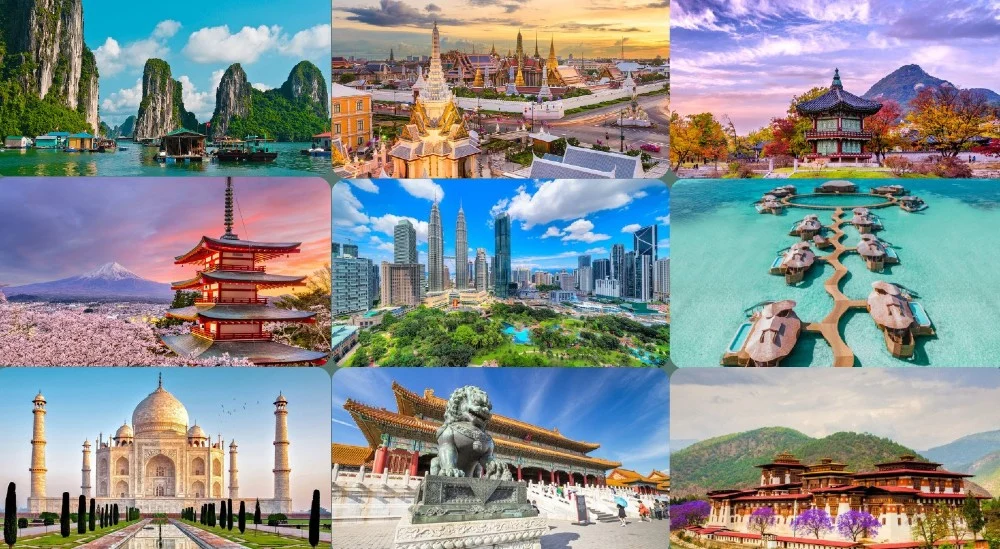
Every year, a huge number of travelers dream of exploring Asia—its ancient temples, flavorful street food, scenic mountains, and vibrant night markets. From the cultural richness of Thailand to the island beauty of Indonesia, the region offers experiences that are hard to match anywhere else. Yet, many people never take that step because they assume traveling here is expensive and difficult to plan.
But the reality is completely different.
Backpacking across Asia, especially Southeast Asia, is one of the most budget-friendly ways to explore the world. Countries like Vietnam, Cambodia, and Laos have been known as backpacker hubs for decades. The biggest advantage? Your money stretches much further here compared to most parts of the world, allowing you to travel longer without spending heavily.
This is where Midasia Routes makes a real difference. Instead of spending weeks figuring everything out on your own, you can rely on their expertise to plan smart routes, optimize your budget, and avoid common travel mistakes. They help simplify the entire process so you can focus more on experiencing the journey rather than stressing over planning.
The first and most important step in your Asia backpacking journey is creating a clear and practical budget plan. This includes understanding transportation routes, estimating daily expenses, finding affordable accommodations, and knowing where to save and where to spend. A well-structured plan can easily keep your daily costs between $30 to $50 in most Southeast Asian countries—including food, stay, and local travel.
Budgeting for Asia might feel confusing at first, but with the right framework and guidance, it becomes much easier. In this guide, we will break everything down step by step—from planning your route to managing expenses, sharing insider tips, and highlighting mistakes you should avoid—so you can travel smarter and make the most of your backpacking adventure.
When travelers talk about a backpacking Asia budget, they're referring to a style of travel built around low-cost accommodation, local transport, affordable food, and smart destination choices.
It doesn't mean roughing it or suffering through bad experiences. It means traveling intentionally.
A budget backpacker in Asia typically:
Stays in hostels, guesthouses, or budget hotels ($5–$20 per night)
Eats street food and local restaurants ($1–$5 per meal)
Uses buses, trains, or budget airlines instead of taxis or private transfers
Prioritizes free and low-cost attractions — temples, beaches, hikes, markets
Plans ahead to avoid tourist traps and overpriced experiences
The beauty of backpacking Asia on a budget is that affordable travel Asia doesn't mean a lower quality experience. Often, the cheapest experiences — a bowl of pho in Hanoi, a sunrise over Angkor Wat, a boat ride through Ha Long Bay on a budget tour — are the most memorable.
Here's a realistic backpacking Asia budget breakdown by country per day:
Vietnam: $20–$35/day
Thailand: $25–$45/day
Cambodia: $20–$35/day
Indonesia (Bali): $25–$40/day
India: $15–$30/day
Nepal: $20–$35/day
Philippines: $25–$40/day
Japan: $60–$100/day (higher, but manageable with planning)
Malaysia: $25–$40/day
A mid-range backpacking Asia budget for a 30-day trip across 3–4 countries typically runs between $1,500–$2,500 excluding flights.
One of the biggest mistakes travelers make is not having a proper backpacking route mapped out before they land. Random travel wastes both money and time.
The following list presents the most popular backpacking routes in Asia which also offer affordable travel options.
This is the most well-trodden backpacking Asia budget route, and it remains the best for a reason.
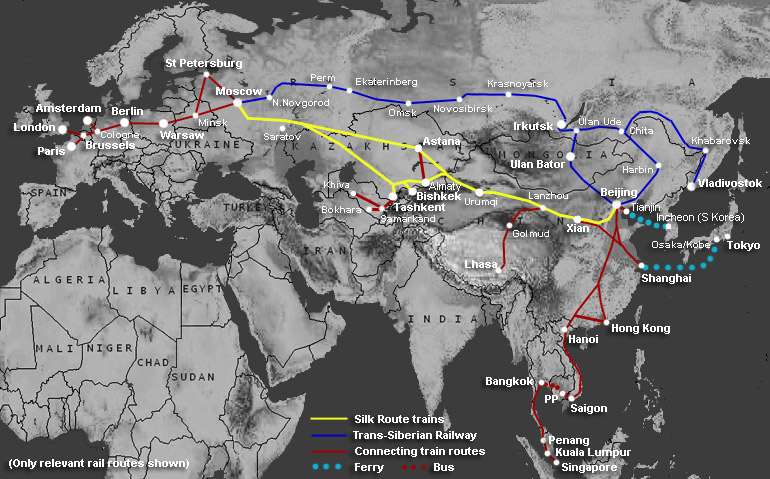
Bangkok → Chiang Mai → Luang Prabang → Vang Vieng → Vientiane → Hanoi → Ha Long Bay → Hoi An → Ho Chi Minh City → Phnom Penh → Siem Reap → Bangkok
This loop covers five countries, dozens of iconic destinations, and can comfortably be done on a backpacking Asia budget of $30–$40/day.
Highlights include:
Thailand's world-famous street food and night markets
Laos's relaxed, untouched beauty
Vietnam's incredible diversity from north to south
Cambodia's soul-stirring temples at Angkor Wat
Delhi → Jaipur → Agra → Varanasi → Kolkata → (fly) Chennai → Bangalore → Goa
The backpacking costs in India rank among the most affordable options throughout the entire Asian continent. For less than $25 per day you can enjoy excellent food watch world heritage sites and stay at comfortable accommodations. The subcontinent rewards travelers who move at a slow pace and show perseverance.
Southeast Asian islands provide exceptional budget travel experiences which beach lovers particularly enjoy.
The travel route through Indonesia starts at Bali and continues to Lombok and Gili Islands and ends at Flores which contains Komodo National Park. The travel route through the Philippines connects Manila to Palawan to Cebu and ends at Siargao.
Backpackers who follow both routes through Asia can complete their journey while spending between 30 and 45 dollars per day to see some of the world's most beautiful natural landscapes.
Kathmandu → Pokhara → Annapurna Circuit or Base Camp Trek → Chitwan
Nepal serves as a budget-friendly backpacking destination which stands as an Asian hidden treasure. The trekking permits and guides in this area charge only a small percentage of what other similar adventures demand while visitors can experience unmatched scenic beauty. The price range of $25 to $35 should be budgeted by travelers who wish to experience a comfortable trip.
The strategies will begin now. The inexpensive travel advice for Asia enables experienced backpackers to achieve their budget goals while tourists end up paying too much for everything.
Cheap Asia travel starts before you even land. Regional budget carriers like AirAsia, Vietjet, IndiGo, Scoot, and Cebu Pacific connect dozens of cities for as little as $10–$40 one way.
Key tips:
Book 4–8 weeks in advance for the best fares
Be flexible with travel dates — mid-week is almost always cheaper
Use Google Flights or Skyscanner to track price drops
Consider overnight buses or trains to save on accommodation costs
Accommodation is one of the largest costs in any backpacking Asia budget. Here's how to minimize it without sacrificing comfort:
Hostels: Dorm beds in Southeast Asia cost $5–$12/night. Most include free breakfast, Wi-Fi, and a social atmosphere
Guesthouses: Private rooms from $10–$20/night, especially outside major tourist areas
Couchsurfing: Free, safe when used properly, and an amazing way to connect with locals
Work exchanges: Platforms like Workaway let you exchange a few hours of work per day for free accommodation
Booking platforms like Hostelworld, Booking.com, and Agoda are essential for affordable travel Asia planning.
Food is where your backpacking Asia budget can either shine or suffer. Avoid tourist restaurants with photo menus and English signage everywhere. Instead:
Look for places filled with local people
Eat at markets and food stalls — meals for $1–$3 are the norm
Learn a few local food phrases to order confidently
Street food in Asia is incredibly safe in busy, high-turnover stalls
Iconic budget meals across Asia:
Pad Thai in Bangkok: $1–$2
Bánh Mì in Vietnam: $0.75–$1.50
Dal Bhat in Nepal: $2–$4 (unlimited refills)
Nasi Goreng in Bali: $1.50–$3
Masala Dosa in India: $0.50–$1.50
Private taxis and Grab rides add up fast. For true cheap asia travel, embrace local transport:
Tuk-tuks and motorbike taxis for short distances
Songthaews (shared red trucks) in Thailand
Overnight trains across Vietnam and India — save on hotels while traveling
Slow boats in Laos — iconic and affordable
Jeepneys in the Philippines
Different Asian destinations provide different budget travel experiences to travelers who visit Asia. Some places allow you to spend less money. Others need you to make a larger financial commitment.
Vietnam tour package is considered one of the top countries which backpackers should visit through Asian countries with their limited budgets. Travelers can access excellent infrastructure throughout the country which provides affordable yet high-quality dining options together with numerous exceptional natural environments that range from northern mountain terraces to southern beach paradises.
Siem Reap in Cambodia provides visitors the best value for their money according to its affordable prices. The Angkor Archaeological Park stands as a mandatory attraction which provides excellent accommodation and dining options for budget backpackers who stay at its neighboring guesthouses and restaurants.
Backpackers who travel through Asia on a budget consider India to be their most important destination. The experience provides complete sensory overload which creates a lasting impression. This location offers extremely affordable accommodation and dining options which enable visitors to experience the widest range of activities throughout Asia.
Nepal provides trekkers with top-notch trekking opportunities at reasonable prices. All trekking routes provide tracking costs through entry fees and guide fees and guesthouse accommodations which help make treks accessible to all travelers who want to experience Asia.
Backpackers can discover stunning natural landscapes through Indonesia. The Gili Islands and Lombok Islands provide visitors with breathtaking views at prices which extend their travel budget beyond their expected limits.
With all the expert-level Asia travel tips, you could save hundreds of dollars on your trip.
International air travel provides convenient transportation between countries although it requires expensive airfare costs. The established backpacker routes between Vietnam and Cambodia Thailand and Laos and India and Nepal offer overland crossings which charge between $5 and $20 for the complete journey. Your Asia backpacking expenses will experience significant reductions through this particular method.
The best solution for your needs is to purchase a local SIM card which you can find at both the airport and any convenience store. The service provides unlimited data access for a month at a cost between $5 and $15. Thailand, Vietnam, and India provide outstanding mobile data coverage throughout their countries.
The best solution for navigation without using data requires you to use Google Maps offline mode.
This is the single most underrated tip in any backpacking Asia budget guide. Your expenses increase with every step that you take. Staying 5–7 days in one place instead of 2–3 dramatically cuts your transport costs and often unlocks weekly hostel discounts.
Slow travel also means deeper cultural experiences — you learn the neighborhood, discover the local spots, and avoid the rushed tourist circuit.
In many parts of Asia, negotiating is culturally expected and respected. This applies to:
Market purchases
Tuk-tuk and taxi fares (where meters aren't used)
Some guesthouses, especially for longer stays
Always negotiate with a smile and be willing to walk away. Being respectful and good-humored during bargaining is part of the cultural experience.
Even experienced travelers fall into these traps. Avoid them and your backpacking Asia budget will go much further.
Not planning your route: Random travel wastes money. Build a loose itinerary before you land so you understand distances and transport costs.
Exchanging money at airports: Airport exchange rates are notoriously poor. Use local ATMs in town, or bring USD/EUR to exchange at local money changers in Vietnam, Cambodia, and Laos.
Booking too much in advance: Especially in Southeast Asia, last-minute hostel deals are often cheaper, and you retain flexibility to adjust your backpacking route based on recommendations from fellow travelers.
Ignoring travel insurance: This is the one area of your backpacking Asia budget you should never cut. A single medical emergency without insurance can cost more than your entire trip.
Staying in tourist zones: Accommodations in tourist areas often cost 2–3 times more than places one neighborhood away. Walk five minutes off the main drag and watch prices drop.
Overlooking visa costs: Visa fees can add up significantly, especially in a multi-country trip. Factor in visa costs for every country in your backpacking route. Some countries offer free visas; others charge $30–$50+.
Underestimating activity costs: Budget travel Asia is full of incredible experiences, but tours, diving courses, trekking permits, and entrance fees add up. Research costs ahead of time and build them into your backpacking Asia budget.
A realistic backpacking Asia budget for 30 days across Southeast Asia, excluding international flights, typically ranges from $900 to $1,500. This covers accommodation in hostels or budget guesthouses, eating primarily at local restaurants and street food stalls, using local transport, and visiting major attractions. Budget travel in Asia costs less in Vietnam and Cambodia and India whereas Thailand and Bali require higher expenses. Backpacking Asia costs decrease when travelers combine slow-paced travel with dormitory stays and overnight bus rides to reduce accommodation expenses.
India and Cambodia consistently rank among the cheapest destinations for backpacking Asia budget travelers. You can maintain a comfortable lifestyle in India for $15 to $20 per day while Cambodia provides exceptional value at $20 to $30 per day. Nepal provides excellent value especially for people who love trekking. Vietnam and Laos provide affordable travel options throughout Asia which enables backpackers to travel Southeast Asia at low costs making it one of the most budget-friendly backpacking paths in the world.
The safety of backpacking Asia on a budget permits three million solo travelers to explore the region every year. The same rules of common sense which apply to all locations also apply to this specific location. Travel insurance should always be active while you maintain document copies and choose safe transportation methods and avoid walking through dark places at night. The existing infrastructure in Asia supports budget travel with its established backpacker facilities which include highly rated hostels and operational bus systems and active traveler networks in every main tourist area.
The traditional Southeast Asia loop which begins in Bangkok and travels through Laos Vietnam Cambodia before returning to Bangkok represents the optimal backpacking path for travelers visiting Asia for their first time. The route has been used by many travelers who found its paths easy to follow because of their familiar presence. The travel system operates successfully with established transport links and English proficiency throughout tourist areas which allows backpackers to explore Asia on a budget that suits their needs.
The best time depends on which part of Asia you're visiting. November through March represents the driest and most comfortable season for Southeast Asia. The period between June and September which represents peak monsoon months throughout most of Southeast Asia results in lower costs because shoulder season leads to fewer visitors and cheaper hostel rates. The ideal budget travel period for India extends from October to February. The Nepal trekking season reaches its peak between March and May and between September and November.
Absolutely. Solo backpacking Asia budget travel is extremely popular and well-supported. Hostels create a natural social environment which enables solo travelers to meet each other without difficulty. Many backpackers find it actually easier to stick to their budget when traveling alone because you make all spending decisions yourself. Solo travel in Asia provides safe, social, and educational experiences which create a method to explore Asian countries.
The primary applications needed for budget travel throughout Asia consist of Google Maps which provides offline map access, Skyscanner and Google Flights for cheap flights, Hostelworld or Booking.com for accommodation, Grab for reliable transport in Southeast Asia, XE Currency for real-time exchange rates, and iOverlander for remote location tips. The combination of these tools creates an effective travel planning system which enables budget travel through Asia while providing essential resources for actual travel.
Track every expense using an app like Trail Wallet or a simple spreadsheet. Set a daily limit and check in against it every evening. Your budget hacks should concentrate on your three main spending categories which include transport accommodation and activities. The three most effective ways to travel Asia at low cost are street food eating local transport usage and dormitory accommodation.
Airlines which include AirAsia Vietjet Scoot Cebu Pacific and IndiGo operate with excellent safety records which make them essential for budget travel in Asia. Your transport expenses will decrease significantly when you use their services compared to full-service carriers. The backpacker experience provides essential travel services which handle all basic travel needs while using less space and making use of less common airport locations.
You should bring both cash and credit cards as your payment methods. The Southeast Asian region accepts United States dollars as a standard currency which people can exchange without difficulty. The general guideline recommends having between $100 and $200 in US dollars as emergency funds while people should use local ATMs to withdraw their everyday cash needs in the domestic currency. You need to verify your bank's international ATM costs before choosing between Wise and Revolut travel cards to prevent high expenses from your Asia backpacking trip.
Traveling through Asia while carrying a backpacking pack and spending less money than usual creates an experience which changes all travelers who attempt it. The continent offers extensive territory which contains different cultures that provide visitors continuous enjoyment whereas travelers can explore the continent through budget-friendly methods which require proper planning and purposeful travel.
You now have everything you need: the routes, the daily budget breakdowns, the cheap Asia travel tips, the common mistakes to avoid, and the advanced hacks that most guides skip. The guide provides budget strategies which enable you to maximize value from each dollar spent when your backpacking Asia budget ranges between $1,000 and $5,000.
People need actual motivation to travel which budget guides do not provide. Planning without making reservations causes you to lose more experiences as time goes by. Create your route and establish your backpacking Asia budget and proceed with your initial flight reservation because everything will work out for you according to previous experiences of others who began their journey.
Traveling through Asia at low cost does not require travelers to give up their needs because it provides complete access to all essential elements. The authentic expedition exists as something people must pursue. Go get it.
Your email address will not be published. Required fields are marked *