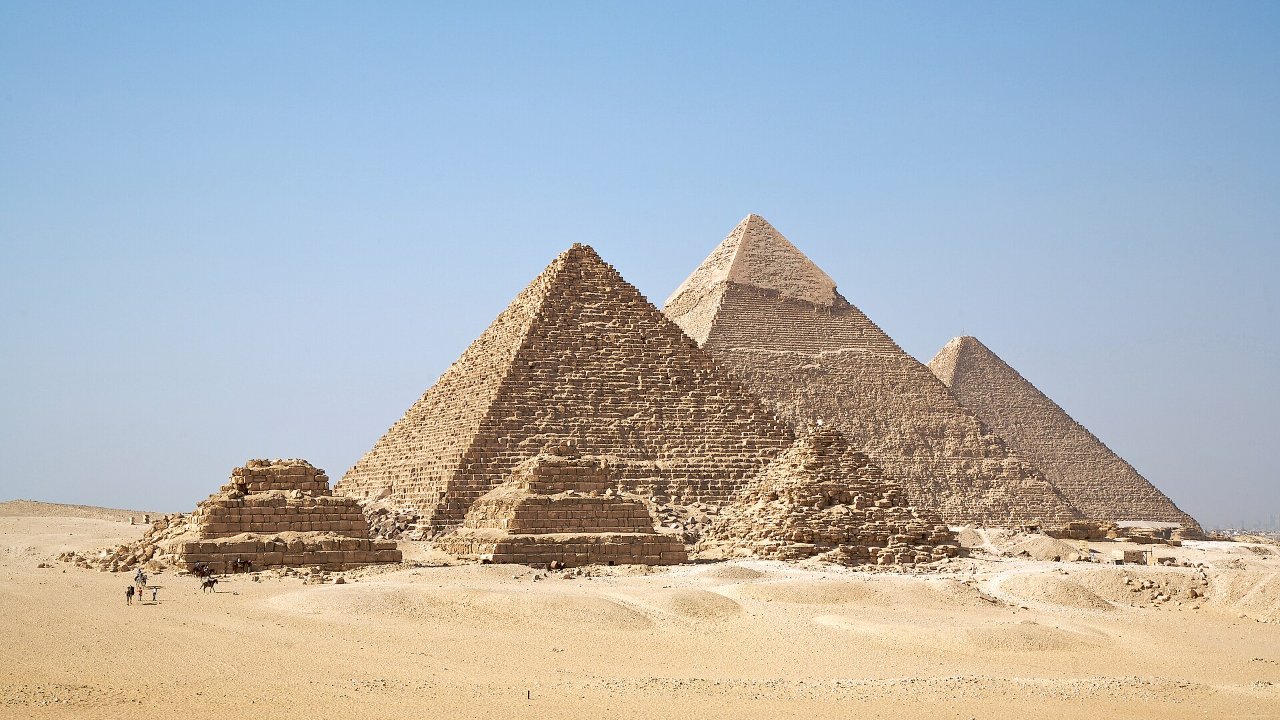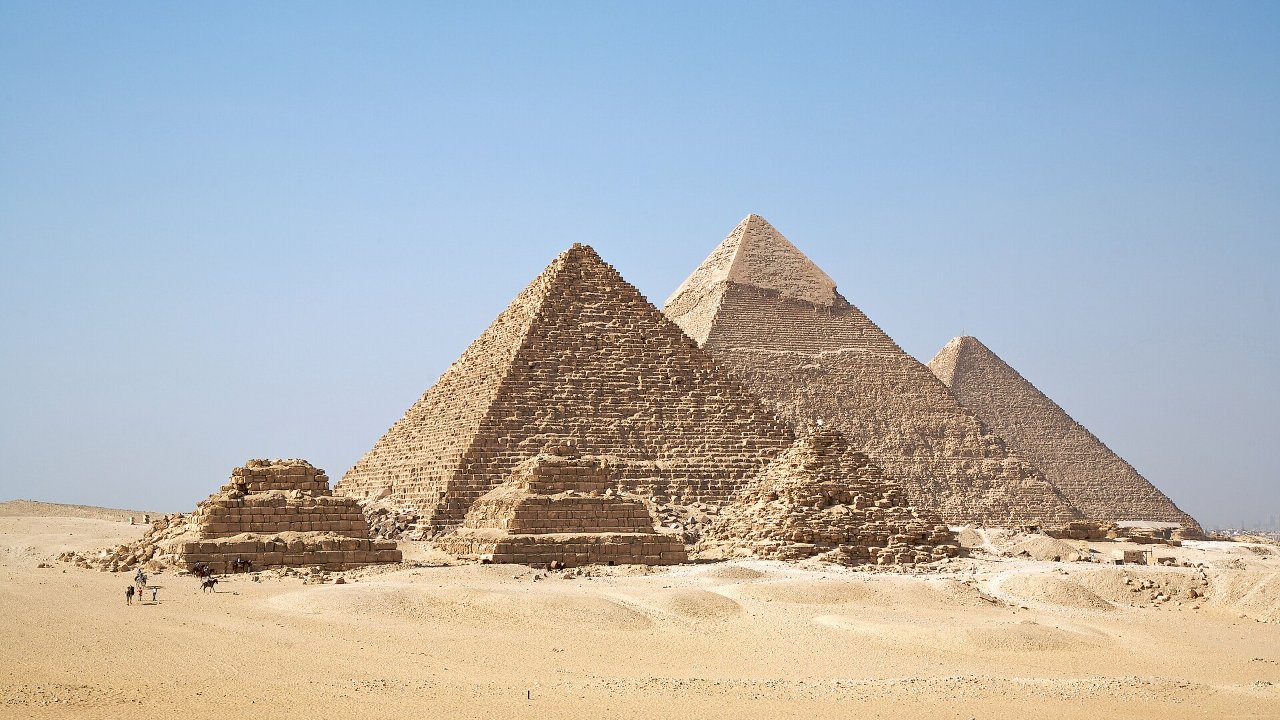
Egypt guided tours come in three broad formats: a large group departure, a small group departure and a fully private journey. All three can be good, and all three can disappoint, because the format matters less than who guides you, how many people travel with you and how the days are paced. This guide compares the options in plain terms, so you can match the format to your budget, your travel style and the people you are bringing.
It also covers the safety picture, entry rules, what a licensed guide does, how guided tours of Egypt are priced, what tipping looks like and what to ask before you pay a deposit. If you are still choosing a route, our wider guide to Egypt tours from the USA covers itineraries and seasons, and this page focuses on the guided format itself.
The US State Department rates Egypt Level 2, Exercise Increased Caution, and reaffirmed that level in March 2026 during a period of heightened regional tension. It also marks a few regions at the highest level or advises avoiding them altogether: Northern and Middle Sinai, the Western Desert and border areas designated as military zones. Cairo, Giza, Luxor, Aswan, the Nile corridor and the Red Sea resorts on the mainland sit outside those areas, and they are where nearly every classic guided tour spends its time.
A guided format helps in practical ways. A guide knows which areas are open, handles checkpoints and ticketing, and can change a plan quickly if conditions shift. The Department also notes that travel to parts of the Western Desert is treated differently when made with a professionally licensed tour company, so ask any operator that offers the Bahariya or White Desert how its permissions are arranged.
Most confusion about Egypt guided tours comes from the word "group." A group of eight and a group of thirty are different experiences. Here is how the formats usually differ.
Our own luxury small group departures are kept to between four and six travelers, rarely up to eight, which allows private access to some sites and a pace that adjusts to the group.
Pace is where private tours earn their price. Egypt is hot for much of the year, and the best time to visit a major site is often the first hour after it opens, before tour coaches arrive. A private guide can meet you at the gate at opening time, skip a stop you do not care about and linger longer at the one you love. A large group usually follows a fixed timetable, which means a midday visit to the Valley of the Kings in summer.
Flexibility also matters for travelers with limited stamina, older relatives or children. A private plan lets you build in a hotel rest in the afternoon, shorten a walk or choose a vehicle with easy access. If someone in your party has mobility needs, ask any operator about steps, shade and rest stops at each site, because many temples and tombs involve stairs and uneven ground.
Guiding in Egypt is a licensed profession, and the best guides are trained Egyptologists who spend years learning the language of the monuments. A good guide reads hieroglyphs, explains which pharaoh built which temple, knows the tomb chambers worth entering and manages the logistics of tickets and queues. They also protect you from the hard sell in bazaars and from the pressure of unlicensed helpers at major sites.
In June 2026 the Ministry of Tourism and Antiquities began issuing digital smart licenses for tourist guides, with an NFC chip that serves as an ID and an access pass at sites and museums. The aim is faster entry and fewer forged credentials. As a traveler, you cannot always check these licenses yourself, so ask your operator who your guide will be, whether the guide is licensed and whether you can see a short profile before you travel.
A Nile cruise between Luxor and Aswan is the centerpiece of many guided tours, and the format changes it more than people expect. On a large group departure, the ship is often a mid-range vessel, shore visits are timed to a fixed schedule and temple stops can feel busy. On a private or small-group trip, you can choose a smaller boat with fewer cabins, and your guide can adjust shore visits to avoid peak hours at Karnak, Edfu and Kom Ombo.
Some travelers choose a land tour with hotels in Luxor and Aswan, which gives more flexibility and no onboard schedule. Others choose a cruise for the convenience of unpacking once and waking up near the next temple. Ask which option fits your pace, and whether the cruise is included in the quoted price. If you are traveling in 2027, our Egypt solar eclipse journey places a small private party in Luxor for the total eclipse on August 2, 2027, with a Nile cruise as part of the route.
Comparing prices between Egypt guided tour packages is difficult because operators include different things. A low headline price often leaves out items that a higher price includes, so compare the same itinerary line by line before you decide.
A useful way to compare is to ask for quotes on the same itinerary and the same hotel level, and then check what each one includes. A small group trip with everything included is sometimes closer in price to a private tour than the headline figure suggests.
Tipping is part of how guides, drivers and crews are paid in Egypt, and it is easier if you plan for it. Commonly suggested ranges are about US$10 to 20 per day for a private Egyptologist for the party, around US$5 per person per day for a group tour guide, US$5 to 10 per day for a driver, and about US$5 to 10 per person per night for Nile cruise crew, left in a shared envelope at reception. These are guidelines, and many operators publish their own, so ask what they recommend.
Carry small bills in US dollars and Egyptian pounds, since change is not always available. Some luxury operators include tips in the price, which is worth confirming. Either way, keep a few small notes for restrooms, small favors and street musicians.
Many travelers combine formats. A common plan uses a private guide and driver in Cairo, Giza and Luxor, where timing and crowds matter most, and a looser schedule elsewhere. If you have only a week, a private plan is also a good way to avoid wasted hours in transfers.
The cooler months, from October to April, are the most comfortable for sightseeing, and they are also the busiest. In these months, guided tours fill early, and good guides and Nile cruise cabins can sell out months ahead. May to September is hot, especially in Luxor and Aswan, and a private plan with early starts and midday rest becomes more valuable. Group schedules do not always adjust for the heat, so ask how a large group departure handles it.
Holidays, school breaks and major events lift demand. If you plan to travel at Christmas, in February or around the 2027 eclipse, book far in advance and ask how many places remain on the departure you want.
The right Egypt guided tour depends on how you like to travel. A large group trades price for pace, a small group balances cost and attention, and a private tour gives control over timing, guide and comfort. Whichever you choose, the guide is the most important part of the trip, so ask who it will be, check the license and read the fine print on what is included.
If you would like a private plan, share your dates, group size and interests with our team, and we will shape a route that fits. Explore our private Egypt journeys to begin, or read our overview of journeys across the Middle East and Africa.
Your email address will not be published. Required fields are marked *