Egypt tours from the USA are built around a short list of places that still deserve their reputation: the Giza plateau, the Grand Egyptian Museum, Luxor's temples and tombs, Aswan and the Nile. The US State Department rates Egypt Level 2, Exercise Increased Caution, in an advisory last issued on July 15, 2025, and it separately marks a few regions as Level 4, Do Not Travel. The practical reading is simple. The areas on a classic itinerary are the ones most visitors see, and the restricted areas are not part of it.
This guide is for American travelers who are weighing a private Egypt tour and want the facts before they ask for a quote. It covers the safety picture, entry requirements, the best months, how many days to allow, the Nile in its different forms, and why August 2, 2027 is already drawing bookings. It also explains how a private itinerary differs from a large group departure and what to ask before you pay a deposit.
The State Department's advisory is the starting point, and it is worth reading in full before you travel. It places Egypt at Level 2 overall. It marks Northern and Middle Sinai, the Western Desert (unless you travel with a professionally licensed tour company) and Egyptian border areas designated as military zones as Level 4. It also notes that terrorist groups continue to plot attacks in Egypt and may target tourist locations, transportation hubs and public places.
What this means in practice:
Advisories change. Read the current version before you pay a deposit, and ask your operator how it handles a change in the advisory or in local conditions.
Americans need a visa for Egypt. Most travelers either apply online for an electronic visa before departure or obtain one on arrival at major airports. Rules, fees and processing times change, so confirm them on the official Egyptian government visa portal or through your operator close to your departure date. Your passport should have at least six months of validity beyond your arrival date and enough blank pages for stamps.
Fees are not fixed in this guide on purpose. Any number printed here could be out of date by the time you read it. A good operator will tell you what is current and whether the visa is included in the tour price.
October to April is the main season, when daytime temperatures in Luxor and Aswan are comfortable and walking tours of tombs and temples are practical. December and January are the busiest weeks, and the clearest nights for the desert. March and April get warmer but are still workable. From May to September, Upper Egypt is extremely hot, and visits to the Valley of the Kings are scheduled for early morning. Many travelers pair summer trips with the Red Sea coast or the Mediterranean.
If you are comparing Egypt with other regions for a first big trip, our overview of Middle East and Africa journeys shows how the seasons line up across the region.
Ten days is the practical minimum for a classic Egypt tour, and it gives you two nights in Cairo, three or four on the Nile or in Luxor and Aswan, and a day for the Grand Egyptian Museum. A week can work if you fly between Cairo and Luxor and skip optional extras. Twelve to fourteen days allows Alexandria, an oasis such as Siwa, or time at the Red Sea.
| Length | What fits | Best for |
|---|---|---|
| 7 days | Cairo and Giza, a flight to Luxor, Valley of the Kings, Karnak | Short on time, first visit |
| 10 days | Cairo, Giza, Luxor, Aswan, Abu Simbel, the Nile | Most first-time visitors |
| 12 to 14 days | Everything above plus Alexandria, an oasis or the Red Sea | Travelers who prefer a slower pace |
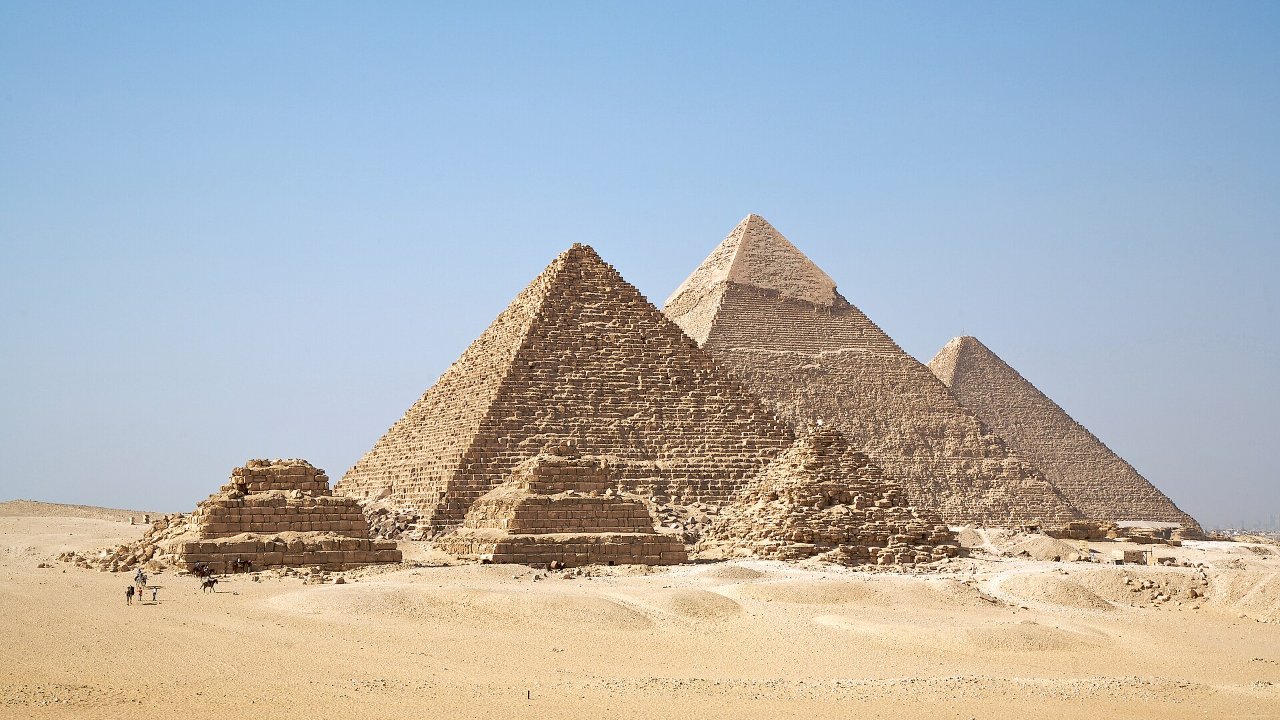
The pyramids of Giza and the Sphinx are the obvious start, and they are best seen early, before tour buses arrive and the heat builds. The Grand Egyptian Museum, on the edge of the plateau, is now the largest archaeological museum dedicated to a single civilization. Plan at least half a day for it, and book a guide who can steer you to the highlights rather than letting you drift through the galleries.
Beyond Giza, Cairo rewards a day in the older districts. The Egyptian Museum in Tahrir Square, Coptic Cairo, the Citadel and Khan el-Khalili bazaar give context for the pharaonic sites, and show the later Christian, Islamic and Ottoman layers of the city. Traffic is heavy, so a driver and a plan matter more here than anywhere else on the route.
Luxor is often called the world's largest open-air museum. On the east bank are Karnak and Luxor Temple, and on the west bank the Valley of the Kings, the Valley of the Queens, Hatshepsut's temple and the Colossi of Memnon. A well-paced visit gives the west bank a full day and Karnak a morning, with a gap in the heat of the afternoon.
Aswan is quieter and more relaxed than Luxor, with Nubian villages, the Philae temple on its island and feluccas on the river. Abu Simbel, the colossal temples of Ramesses II on the shore of Lake Nasser, lies about three hours south by road or a short flight, and it is worth the early start.
The Nile is the spine of the trip, and there are three ways to use it. A cruise between Luxor and Aswan lets you unpack once, sail past farmland and villages, and join guided visits at each stop. A land-based tour uses hotels in each city and gives you more flexibility for evenings and food. A mix, with a few nights on a ship and the rest in hotels, suits travelers who want both.
Ships vary widely in size and style, from large vessels to small boutique ones. Ask how many cabins the ship has, whether the itinerary sails in both directions, how many temple visits are included and what happens when water levels change.
On August 2, 2027, a total solar eclipse will cross southern Spain, North Africa and the Middle East, and Luxor sits in the path of totality for 6 minutes and 22 seconds. That is among the longest totalities of the century, and it falls over one of the most dramatic archaeological landscapes in the world. Demand for rooms and Nile ships around that date is rising, and supply is limited.
If this interests you, plan early, and note the trade-offs. Early August in Upper Egypt is very hot. Rooms and cruise cabins fill first near the eclipse date, and prices can rise accordingly. Because the best viewing spots are in places where roads can be crowded, a private plan with a guide who has a location and a backup, rather than a last-minute choice on the day, lowers the risk. Our Egypt Special Edition journey is the place to start for that conversation.
A group tour offers a fixed price and a fixed pace. A private tour lets you set the start time, so you reach Giza at opening and the Valley of the Kings before the heat. You choose where to eat, how long to stay at a site and whether to skip the souvenir stops that large groups often include. Families and travelers with mobility needs often find a private guide and vehicle the most practical option. You can see how we structure these journeys on our Egypt tours page.
Egyptian food is generous and varied. Try koshari (rice, lentils and pasta with tomato sauce), ful medames (fava beans), grilled meats, fresh bread and a long list of mezze. Tea and coffee come strong and sweet, and meals are social. Restaurants used by tour groups cater to Western tastes, but a guide can also take you to local places, which is often where the best meals are.
Egypt is a mostly Muslim country, and modest dress is respectful, especially outside the big hotels. Light, loose clothing that covers shoulders and knees works well in the heat. During Ramadan, daytime dining is quieter and some restaurants close until evening, but the monuments stay open, and the sunset meal, iftar, is a memorable experience. Ask your operator about the dates and what changes for visitors.
Once the main sites are covered, there are good reasons to extend. Alexandria, on the Mediterranean, offers a very different mood, with a seafront corniche, a modern library and layers of Greek, Roman and Islamic history. Siwa Oasis, near the Libyan border, has date palms, salt lakes and a quiet Berber culture, and it is reached through a licensed operator under the State Department's rules for the Western Desert. The Red Sea coast gives snorkeling and diving, and is a pleasant way to end a trip after weeks of temples.
St. Catherine's Monastery and Mount Sinai lie in South Sinai, which is separate from the northern and central areas marked at Level 4, but conditions can change. Check the current advisory, and use an operator who monitors it.
Several choices move the cost more than anything else, and understanding them helps you compare quotes.
Ask for a written quote that lists these items, so you can see what you are paying for and compare it fairly.
Egypt tours from the USA work best when the plan is built around the season, the pace and the specifics of the sites. Read the advisory, keep to the well-served corridor, choose a length that gives the museum and the temples time, and decide early if the 2027 eclipse is part of your plan.
If you would like help, share your dates, group size and interests, and our team will outline a private route. Explore our private Egypt journeys or ask about the Egypt Special Edition to begin.
Your email address will not be published. Required fields are marked *