Bhutan has fixed its Sustainable Development Fee at US$100 per adult per night through August 31, 2027, and the US State Department rates the country Level 1, Exercise Normal Precautions, in an advisory issued on September 4, 2026. Those two facts explain why Bhutan tours are drawing more attention from American travelers than at any point since the kingdom reopened. The fee is half what it was before September 2023, and the advisory is the lowest risk rating the Department issues.
This guide is for travelers who are comparing Bhutan tours and want to know how the system works before they speak to an operator. It covers visas, fees, the main itineraries, how many days to allow, when to go and what to ask before you pay a deposit. It also shows how a private Bhutan tour differs from a group departure, and how the country combines with Nepal and Tibet.
Bhutan is not a country where you book a flight and a hotel and improvise. Most international visitors arrange the visa through a licensed Bhutanese tour operator, which applies on your behalf once the trip is confirmed. The visa fee is US$40 per person, charged once per trip, and approval normally takes five to six working days. Your operator also forwards the Sustainable Development Fee (SDF) with the visa application.
Once you arrive, you travel with a licensed guide and a driver. That is not a restriction to work around. Roads are narrow and mountainous, monasteries have customs that a guide can explain, and the festivals, dzongs and valleys make far more sense with someone who can read them for you. The practical result is that every Bhutan tour is, in effect, a private or small-group tour, and the real choice is how it is designed.
The price of a Bhutan tour has two parts. The first is the SDF, which is set by the government and charged for every night you stay. The second is the operator's land cost: accommodation, the guide, the driver and vehicle, meals, entrance fees and transfers. International flights are separate.
Ask every operator for a written quote that separates the SDF, the visa fee and the land cost, so you can compare like with like. A quote that shows only one daily number can hide whether the government fee is included.
Most Bhutan tours follow one of a few well-tested routes. The table below sets out the privately guided journeys we run, so you can see how length and geography change the experience.
| Journey | Days | Route | Best for |
|---|---|---|---|
| Kingdom of Happiness | 11 | Thimphu, Punakha, Phobjikha, Paro | First visit, classic western Bhutan |
| Across Sacred Bhutan | 14 | Thimphu, Punakha, Phobjikha, Trongsa, Bumthang, Paro | Travelers who want the cultural heartland and fewer crowds |
| Two Himalayan Kingdoms | 14 | Kathmandu, Chitwan, Thimphu, Punakha, Paro | Pairing Bhutan with Nepal's valley and wildlife |
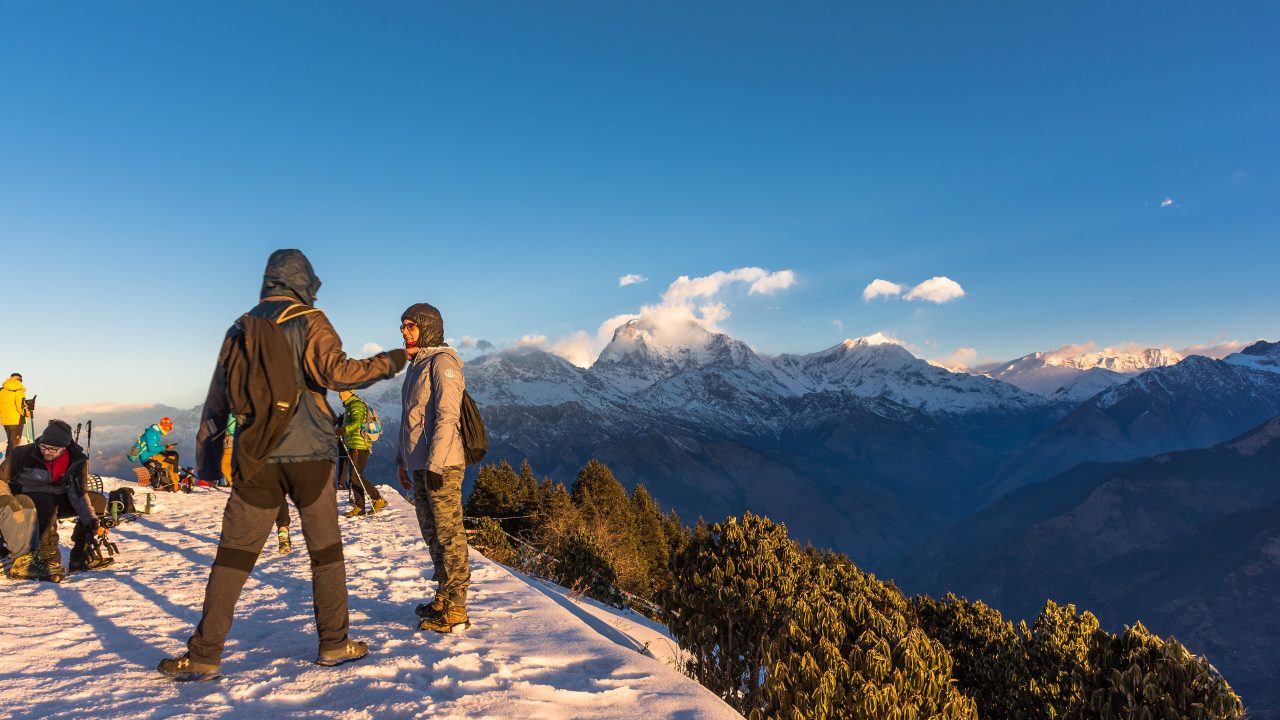
| Trails, Temples and Tiger's Nest | 14 | Kathmandu, Pokhara and the Annapurna foothills, then Thimphu, Punakha, Paro | Walkers who want village trails before Bhutan |
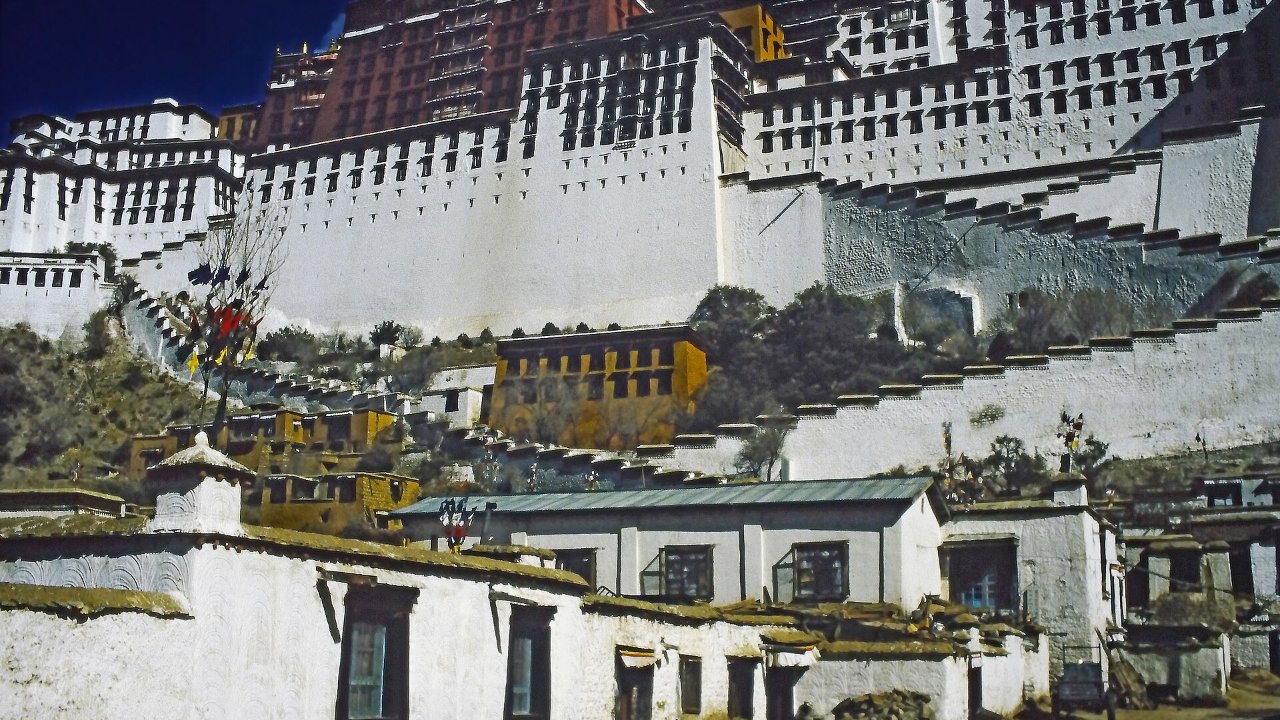
| Across the Roof of Asia | 14 | Kathmandu, Lhasa, Kathmandu, Thimphu, Punakha, Paro | Three Himalayan cultures in one trip |
The 11-day Kingdom of Happiness is the route most first-time visitors choose. The 14-day Across Sacred Bhutan goes further east, to Trongsa and Bumthang, where the roads are quieter and monastic life is closer to the surface. You can see all five journeys on our Bhutan tours page.
Bhutan's capital is small, low-rise and unhurried. Expect the Tashichho Dzong, which houses government offices and the central monastic body, a weekend market, craft shops and the textile museum. Most travelers spend one or two nights here before crossing Dochula Pass.
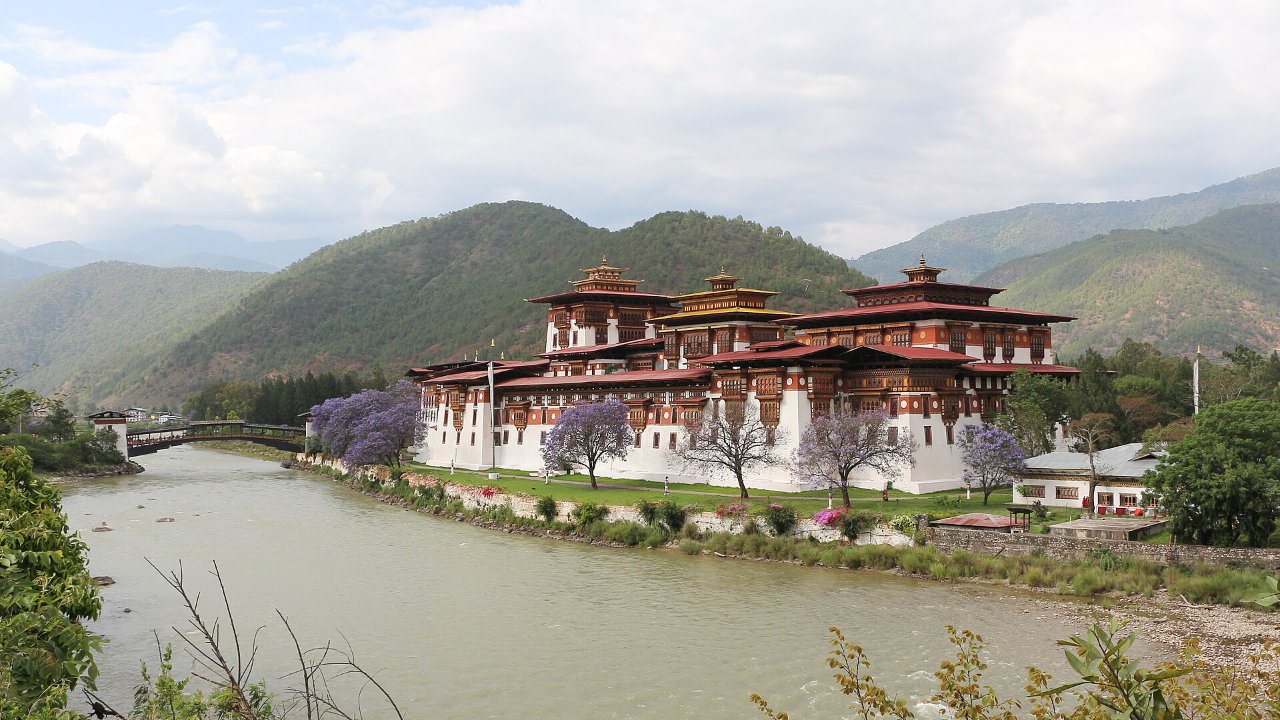
Punakha sits at roughly 1,200 meters, so it is warmer and greener than Thimphu or Paro. Its dzong stands where two rivers meet, and many travelers rate it the most beautiful in the country. The walk across the long suspension bridge and a hike through rice terraces to the Chimi Lhakhang temple are classic Punakha days.
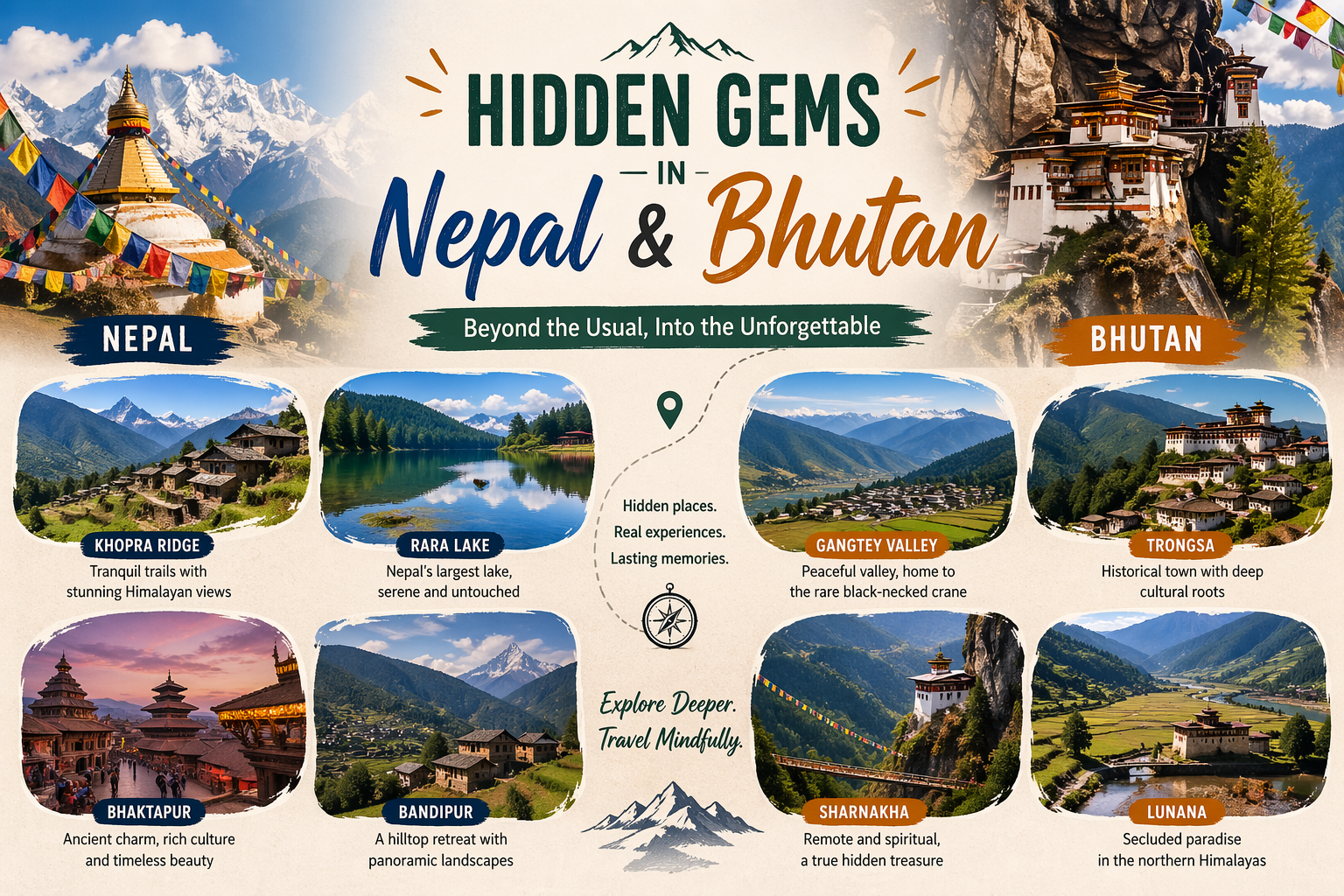
This broad glacial valley is the winter home of black-necked cranes, which arrive in late October and November. Even outside crane season, it is a quiet place for a nature walk and a visit to Gangtey Monastery, and it gives the route a slower rhythm after the main towns.
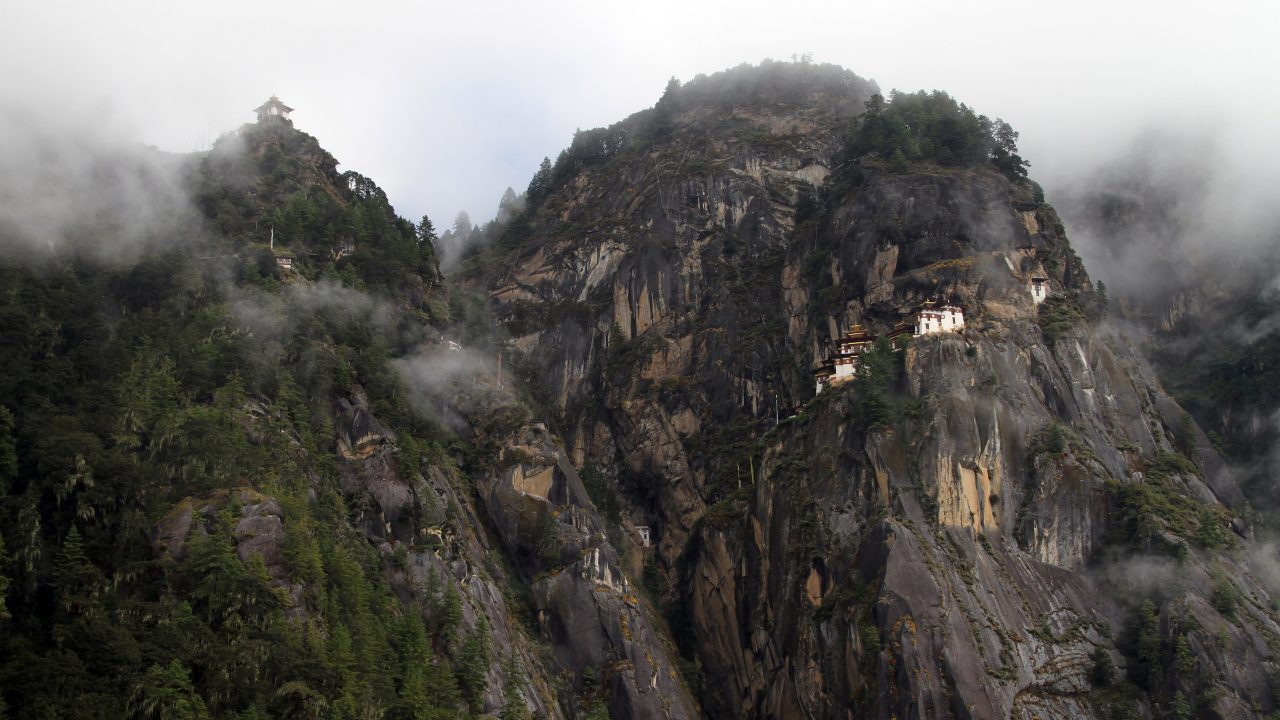
Paro is where international flights land and where most tours finish. The Tiger's Nest (Paro Taktsang) monastery clings to a cliff roughly 900 meters above the valley floor. The hike takes most of a morning and should come after a day or two at altitude. Plan it for the end of the trip, when your legs and lungs have adapted.
Longer itineraries continue east through Trongsa, whose enormous dzong guards the central route, to Bumthang, a cluster of valleys with some of the oldest temples in the kingdom. The drives are long, which is why this part of Bhutan sees fewer visitors, and why it suits travelers who prefer depth to speed.
A week is the practical minimum for the western valleys, but it leaves little spare time. Ten to eleven days is the most comfortable length for a first trip, giving you two nights in each of the major stops and a rest day built in. Fourteen days lets you add the east or a stay in Nepal or Tibet.
If you are deciding between countries as well as lengths, read more: Nepal vs Bhutan: Which Destination is Better for Your Next Himalayan Trip?
Spring (March to May) and autumn (September to November) are the main seasons. October is the clearest and the busiest. The monsoon from late June to early September brings rain and the occasional landslide on mountain roads, but also the quietest monasteries and the greenest valleys. Winter is dry and cold in Paro and Thimphu, and mild in Punakha.
Because Paro is served by only a small number of flights, seats and festival rooms fill early. For October and late March, book three to six months ahead. For other months, one to two months is usually enough. Our full month-by-month guide has the details: Best Time to Visit Bhutan: Month-by-Month Weather, Festivals and Crowds.
Paro International Airport is the main entry point, and it is served by Drukair and Bhutan Airlines, typically with connections through hubs in the region such as Kathmandu, Delhi and Bangkok. Approaches are narrow and mountainous, so flights operate in daylight and can be delayed by weather. That is one reason to avoid tight connections on the way home and to keep your last night in Paro or Thimphu rather than flying out the same morning as a long-haul departure.
The State Department describes Bhutan as generally safe, and also warns that medical services are limited, especially in rural areas, and that the country regularly experiences flooding, landslides and wildfires, and is vulnerable to earthquakes. Practical steps follow from that.
A private tour suits couples, families and anyone who wants to set the pace, add a long lunch at a farmhouse or skip a site that does not interest them. A small group suits solo travelers who like company and a fixed schedule, and it can lower the cost per person. In both cases, the guide matters most. Ask who your guide will be, how long they have worked, and whether they speak English fluently.
Because every visitor must go through a licensed operator, the quality of that operator shapes the trip. These questions help you compare.
If you already know your dates, send them with your group size and walking comfort, and we will propose a route. Request a custom Bhutan itinerary to see how a private journey is shaped around you.
Bhutan pairs naturally with its neighbors. Kathmandu is the usual gateway, with a short flight to Paro on clear mornings. A route such as Two Himalayan Kingdoms adds Chitwan's wildlife to the temples and dzongs. Travelers who want a third culture can follow Kathmandu to Lhasa and on to Thimphu; read about the Tibetan section in our Tibet tours. For a gentler walking start, see the trail-based route in our guide to trekking in Nepal.
Bhutan's festivals, called tshechus, are monastery-courtyard gatherings with masked dances, and they are the busiest and most expensive dates of the year. The Paro Tshechu falls in spring, usually around March or April, and the Thimphu Tshechu in autumn, usually around September or October. The Black-necked Crane Festival at Gangtey Monastery in Phobjikha takes place each year on November 11. Exact dates follow the lunar calendar and shift from year to year, so check them before you commit to a month.
Food is simple and built around red rice, vegetables, cheese and chilies. Ema datshi, a stew of chilies and cheese, is the national dish, and travelers who dislike heat should ask for the mild versions. Butter tea is common in homes and monasteries. On a well-planned route you will also stay in a mix of hotels and, if you wish, a farmhouse with a traditional hot stone bath, which gives a view of village life that a hotel cannot.
Alcohol is available in hotels and restaurants, and tobacco sales are tightly controlled, so check the rules with your guide before bringing cigarettes. Plastic bags are discouraged, and your guide will tell you where photography is not allowed.
Bhutan tours are well suited to travelers who value culture, mountain scenery and calm. The government's fixed fee through August 2027, the Level 1 advisory and a small but reliable flight network make the next year a good time to go. Choose a route that matches your pace, book early for October and festivals, and read the quote line by line.
If you would like help, tell our team your preferred month, group size and interests, and we will match a private route to the season. Explore our private Bhutan journeys or ask for a tailored itinerary.
Your email address will not be published. Required fields are marked *