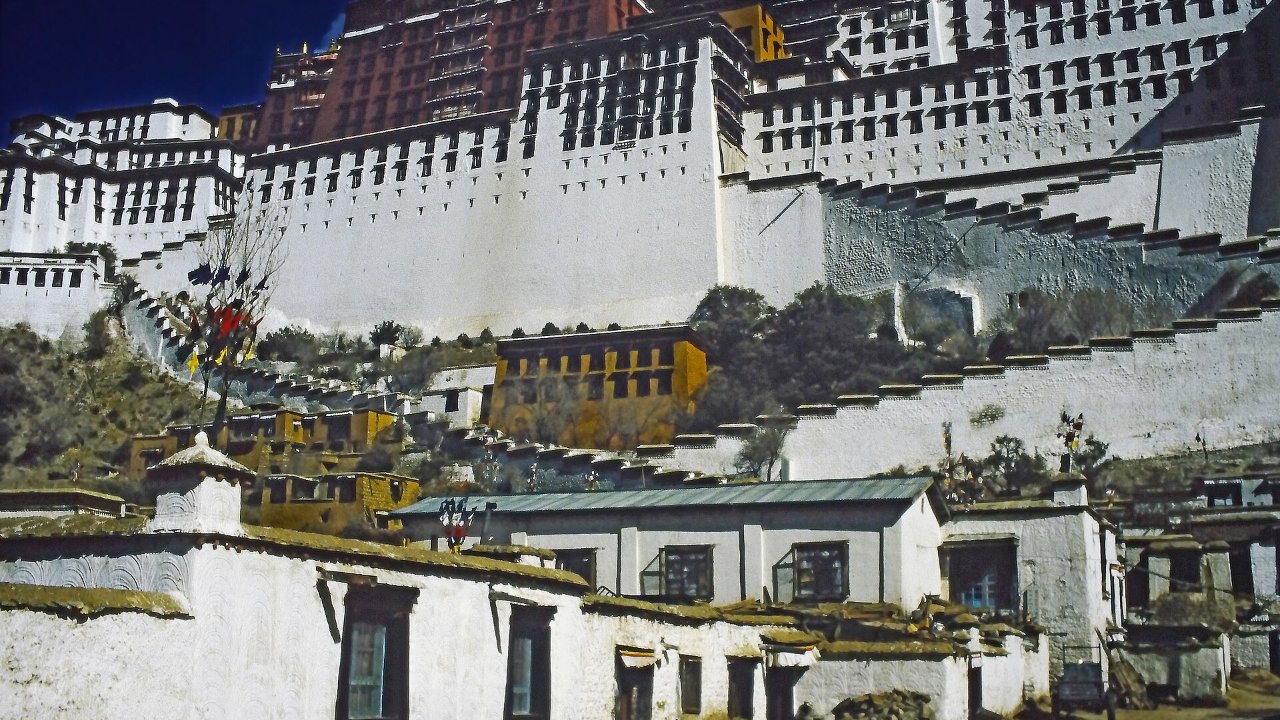
Americans who want to see Lhasa need two things before they can board a flight: a Chinese visa and a Tibet Travel Permit. The State Department's China advisory, issued on October 19, 2026 at Level 2, states that a special permit is required for the Tibet Autonomous Region in addition to a valid Chinese visa, and warns that emergency consular services in the region are severely limited. That combination is why Tibet tours are always arranged through a licensed operator, and why the quality of the arrangement matters more than on most trips.
This guide is for travelers who are researching Tibet tours and want a clear picture of the permit process, the altitude, the main sights and the realistic routes in and out. It explains what a privately guided trip involves, which itineraries work best, when to go and what to ask before you book. It also covers combining Tibet with Nepal and Bhutan.
Yes, with the right paperwork and a guide. The rules are consistent across published guidance, though details change, so confirm them with your operator close to travel.
Because the permit and the visa depend on each other, do not buy flights until your operator confirms the order of steps. Cancellation terms matter here, since a permit delay can move your dates.
Lhasa sits at about 3,650 meters, higher than almost any city most travelers have visited. The Potala Palace, the high passes and Yamdrok Lake climb much higher. The CDC's guidance for altitude is the best planning tool: above 3,000 meters, raise your sleeping altitude by no more than about 500 meters per day, add a rest night for every 1,000 meters of sleeping altitude you gain, and avoid flying or driving straight to a sleeping altitude above about 2,750 meters.
A flight into Lhasa breaks that last rule, which is why a well-designed tour starts slowly. The first day or two should be spent resting, drinking water and walking gently. Keep alcohol and heavy meals to a minimum on arrival, and tell your guide at once if you develop a headache, nausea or dizziness. Talk to your doctor before you travel about preventive medication such as acetazolamide, and ask whether any health condition affects your plans. Confirm that your travel insurance covers altitudes above 3,500 meters and includes medical evacuation.
Lhasa is the center of Tibetan religious life. The Potala Palace, the winter residence of successive Dalai Lamas, towers over the city, and visits are controlled by timed slots, so entry is reserved for you in advance through your operator. The Jokhang Temple, the holiest in Tibet, sits at the heart of the Barkhor circuit, where pilgrims walk clockwise with prayer wheels. Sera Monastery is known for the afternoon debates of its monks. The Norbulingka summer palace offers a quieter morning.
The road from Lhasa toward Gyantse climbs over passes above 4,500 meters. Yamdrok Lake, a vivid turquoise lake in the mountains, is one of the visual highlights of the trip. These stops are short but high, so pace yourself and keep a bottle of water within reach.
Gyantse is a small town with a fortress above it and a major monastery below. The Pelkor Chode Monastery houses the Kumbum, a multi-storied stupa with chapels covered in murals. The town gives a calmer sense of Tibetan life than Lhasa.
Shigatse, Tibet's second city, is home to Tashilhunpo Monastery, the traditional seat of the Panchen Lama. Pilgrims circle the monastery, and the large assembly halls show the scale of monastic education in Tibetan Buddhism. From Shigatse the route returns to Lhasa, or continues toward Everest on longer itineraries.
We offer two privately guided Tibet journeys, which cover the two main ways in.
You can compare both on our Tibet tours page, where each journey is shown with its route.
A trip to central Tibet needs at least a week on the ground, including days to adjust to altitude. Ten to twelve days lets you add Gyantse and Shigatse without rushing. If you add Everest or western Tibet, expect a longer itinerary and extra permits. A combined Tibet, Nepal and Bhutan journey usually runs about two weeks.
April to October is the most popular season, with warmer days and open roads. Many operators suggest May and June, or September and October, for the best balance of weather and crowds. July and August bring rain, which often falls at night. Winter is cold and quiet, and some sites reduce their hours. Because Lhasa is high, sunny days can still feel cold at night in any month, so pack warm layers.
If you are also planning a Himalayan route through Nepal or Bhutan, our guide to the best time to visit Nepal and Bhutan will help you line up the seasons.
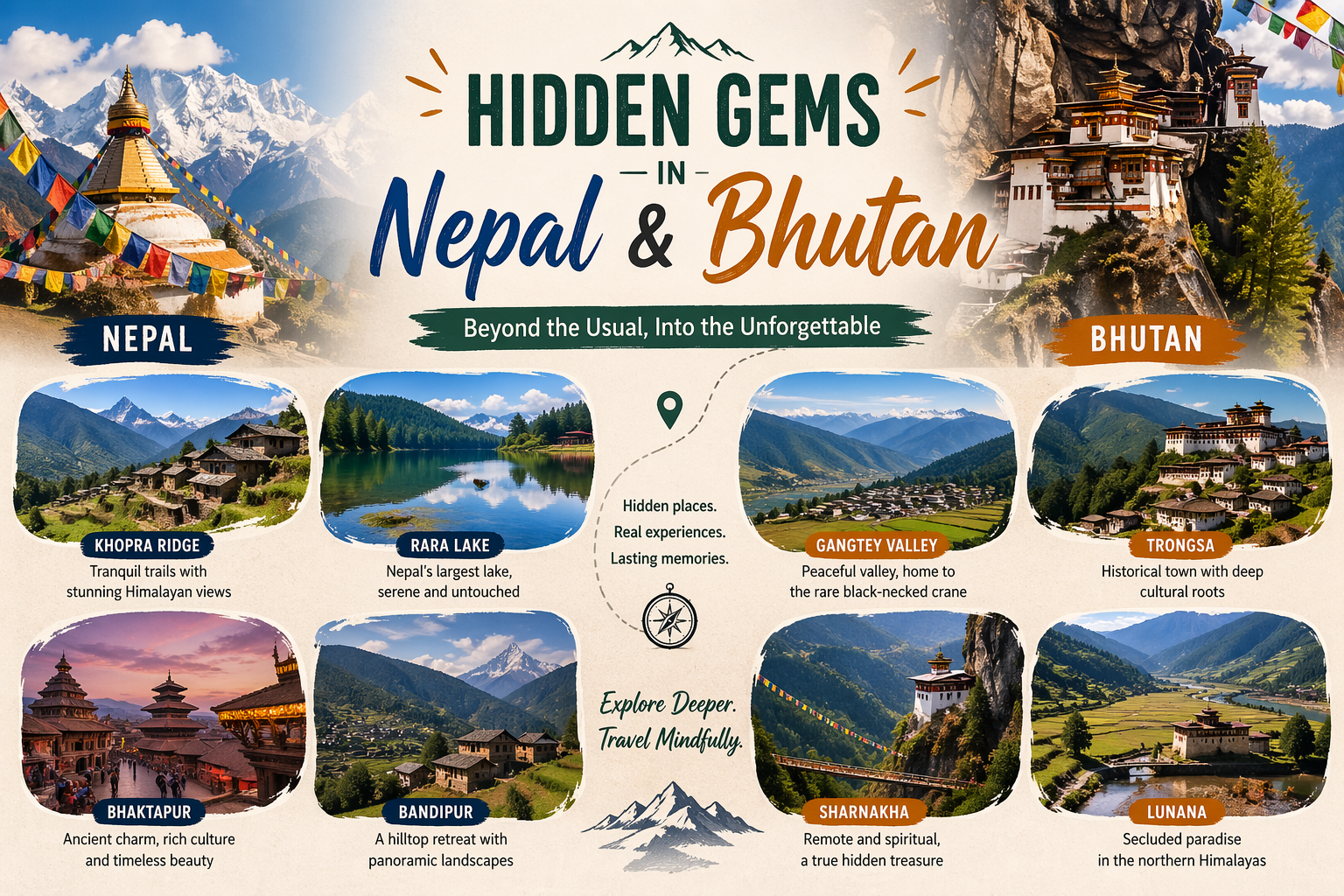
Many travelers see Tibet as part of a longer Himalayan loop. Kathmandu is the natural gateway to Lhasa, and Bhutan is a short flight from Kathmandu. On the Kathmandu to Lhasa leg, there is a visa point to check: individuals entering Tibet from Nepal generally cannot use a standard Chinese tourist visa, and need a group visa issued in Kathmandu, which your operator arranges. If you already hold a long-validity Chinese visa, ask whether applying for a group visa would affect it. For Nepal's trails and valleys, see our private Nepal journeys, and for the kingdom beyond, see our Bhutan tours.
The State Department's China advisory recommends enrolling in the Smart Traveler Enrollment Program (STEP) and notes the limits on consular help in Tibet. Travel insurance with evacuation cover, a copy of your documents and a plan for medical care are the sensible response. Medical facilities in Lhasa are limited by Western standards, and evacuation from the plateau can take time.
A good operator answers these clearly and in writing. If you would like a tailored plan, request a custom Tibet itinerary and tell us your dates, health considerations and interests.
A well-designed central Tibet trip moves in a deliberate order, and the order exists for your health as much as for the sightseeing.
The flight in and out is the one part you cannot change, so tell your operator early if you have a heart or lung condition, are pregnant, or take medication that might be affected by altitude.
Tibetan food is hearty and designed for cold, high places. Expect momos (dumplings), thukpa (noodle soup), tsampa (roasted barley flour) and yak butter tea, which is an acquired taste. Chinese and Nepali dishes are common in Lhasa, and most tourist restaurants offer simple vegetarian options. Eat lightly on arrival, since heavy meals can worsen altitude symptoms.
Hotels in Lhasa range from comfortable tourist-class rooms to restored traditional houses. Many offer supplemental oxygen on request, and heating can be uneven, so ask your operator which hotels are used. Further out, in towns such as Gyantse and Shigatse, rooms are simpler, and a good operator prepares you for that in advance. Water treatment and bottled water are standard advice, and a reusable bottle saves plastic.
Tibet is a living religious culture, and visitors share spaces with pilgrims who have often traveled for weeks. Move slowly through chapels, leave room for people who are praying and ask before you photograph anyone. Offerings of small donations in monasteries are common but optional. Rules on photography, drones and conversation topics can be strict and are not always posted, so rely on your guide's briefing rather than assumptions.
Political and religious topics can be sensitive, and local guides work within regulations. Be considerate of that, and take your cues from your guide.
Tibet suits travelers who are curious about Buddhist culture, comfortable with a structured itinerary and in reasonable health. It is not a good fit for someone who needs total independence, who cannot tolerate cold nights, or whose medical advice is to avoid altitude. Travelers who want the culture without the altitude of the plateau often find Bhutan and Nepal an easier match. A combined route lets you try Tibet's heights in a sequence that goes up and then back down, and it is why the Kathmandu connection is so popular.
Travelers who want a longer overland arrival can ask about the Qinghai-Tibet railway as an alternative to flying. It climbs slowly and gives the body more time, though the journey takes much longer and requires its own booking through your operator.
Tibet tours reward patience. The permit and the visa must be arranged in order, the altitude demands a slow start, and the sights are best seen with an informed guide. A privately guided route from Chengdu or Kathmandu can handle those steps for you and leave you free to enjoy the monasteries, lakes and valleys.
Share your dates, group size and any health considerations, and our team will outline a route and the paperwork it needs. Explore our private Tibet journeys to begin.
Your email address will not be published. Required fields are marked *