Getting an Iraq visa as a US citizen is straightforward in principle and confusing in practice, because there are two separate systems. Federal Iraq, which covers Baghdad, Babylon, Najaf, Karbala, Basra and the south, runs its own electronic visa. The Kurdistan Region, which covers Erbil, Sulaymaniyah and Duhok, runs another. A visa for one does not cover the other, and the rules have changed several times in the last two years. This guide explains how each visa works, what you need, how long it takes, how to combine regions and what to check before you pay for flights.
It is a planning guide, not legal advice. Entry rules are set by the Iraqi authorities and can change without notice, so always confirm details on the official portals. If you want to see how a visa fits into a full route, our Iraq tour itineraries show five tested routes from four to ten days.
A visa gives you permission to enter, not a safety assessment. The US State Department rates Iraq Level 4, Do Not Travel, and its March 2026 advisory applies to the whole country, including the Kurdistan Region. It cites terrorism, armed conflict, aerial bombardment and civil unrest. Other governments also advise against all or most travel. Many travel insurance policies exclude Level 4 destinations, so confirm cover in writing before you book.
Travelers who decide to go do so with a licensed local guide, a vetted driver and an operator that monitors conditions daily. If you are still deciding whether the trip is right for you, read whether Iraq is safe for American travelers before you apply.
The first thing to understand is the split.
Your choice of arrival airport matters. Flying into Baghdad or Basra means a federal visa. Flying into Erbil or Sulaymaniyah can allow a Kurdistan-only visa if you stay in the north.
From March 2025, Iraq moved citizens of the United States and a long list of other countries from visa on arrival to a mandatory e-visa that must be obtained before travel. You apply online through the official Iraqi e-visa portal, upload your documents, pay the fee and receive the approved visa to print and carry. Reported validity is 60 days from arrival for tourist visas, although the exact terms depend on the visa type and your application. Reported fee levels have been around 160 US dollars, which is a guide only, so check the portal for the current amount.
Typical requirements are the following.
Processing often takes a few days, but allow two to four weeks to leave room for corrections. Apply once your flights and route are firm, and do not buy non-refundable tickets until the visa is approved if you can avoid it.
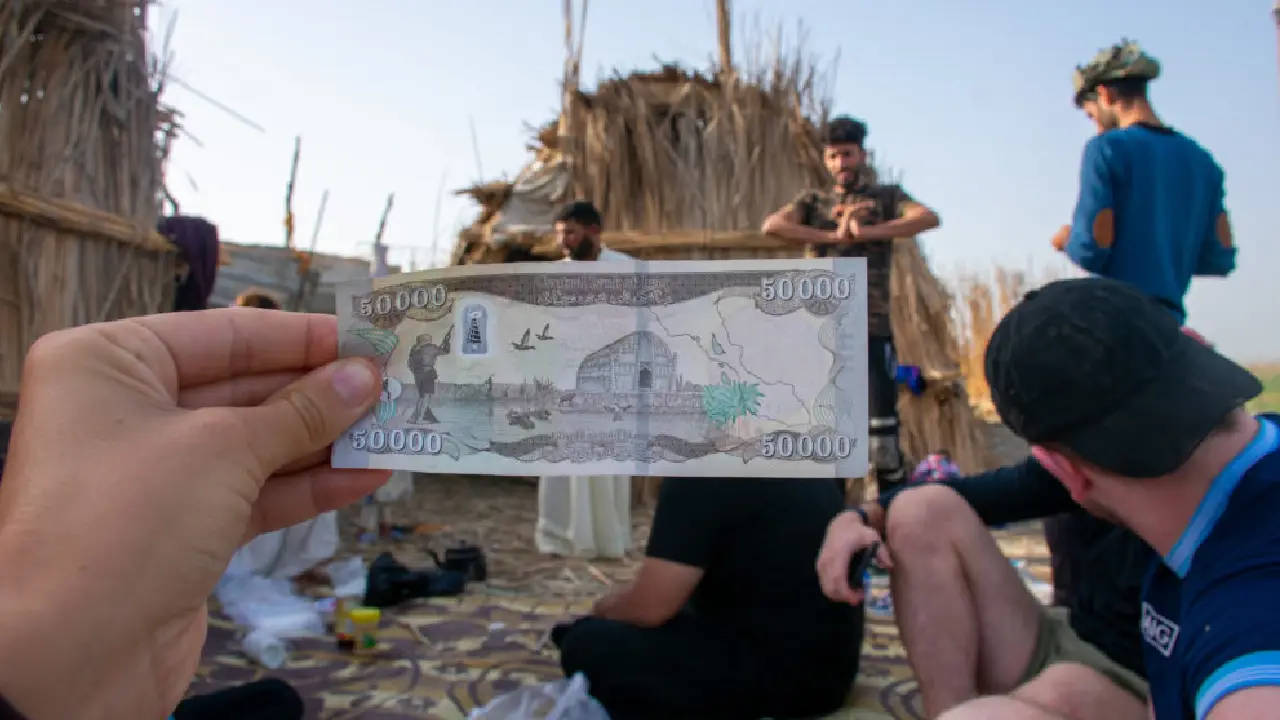
The Kurdistan Regional Government launched its own electronic visa portal in 2023. Eligible nationals can apply for stays of up to 30 days. The e-visa has been reported at about 100,000 Iraqi dinars, roughly 70 US dollars, and valid for 90 days from issue, with each stay up to 30 days. Visa on arrival at Erbil and Sulaymaniyah airports has remained available for eligible nationalities, with payment by credit card rather than cash. Whether a US passport qualifies on arrival depends on the current country list, so confirm in advance rather than relying on it.
The key limit is geographic. A Kurdistan visa does not allow you to travel into federal Iraq, and officials at checkpoints and airports will ask which visa you hold. If you plan to visit Baghdad or the holy cities, you need the federal visa regardless of where you land. For ideas on what to see in the north, read about offbeat destinations in Iraq, which covers Amedi, Rawanduz, Lalish and the Barzan valley.
There are no direct flights from the United States. Most travelers connect through Istanbul, Doha or Dubai, and the journey commonly takes 15 to 20 hours depending on your departure city and whether you land in Baghdad or Erbil. Flight routes can be disrupted at short notice because of regional events, so choose flexible fares and leave a buffer day at the start of the trip. Read our Iraq travel cost guide for a breakdown of what flights, guides and hotels cost.
Expect checkpoints and security screening in many cities. They are part of travel in Iraq, and a licensed guide who knows the procedures can make them quick. Photography near military or government sites is restricted, so ask before you take out a camera.
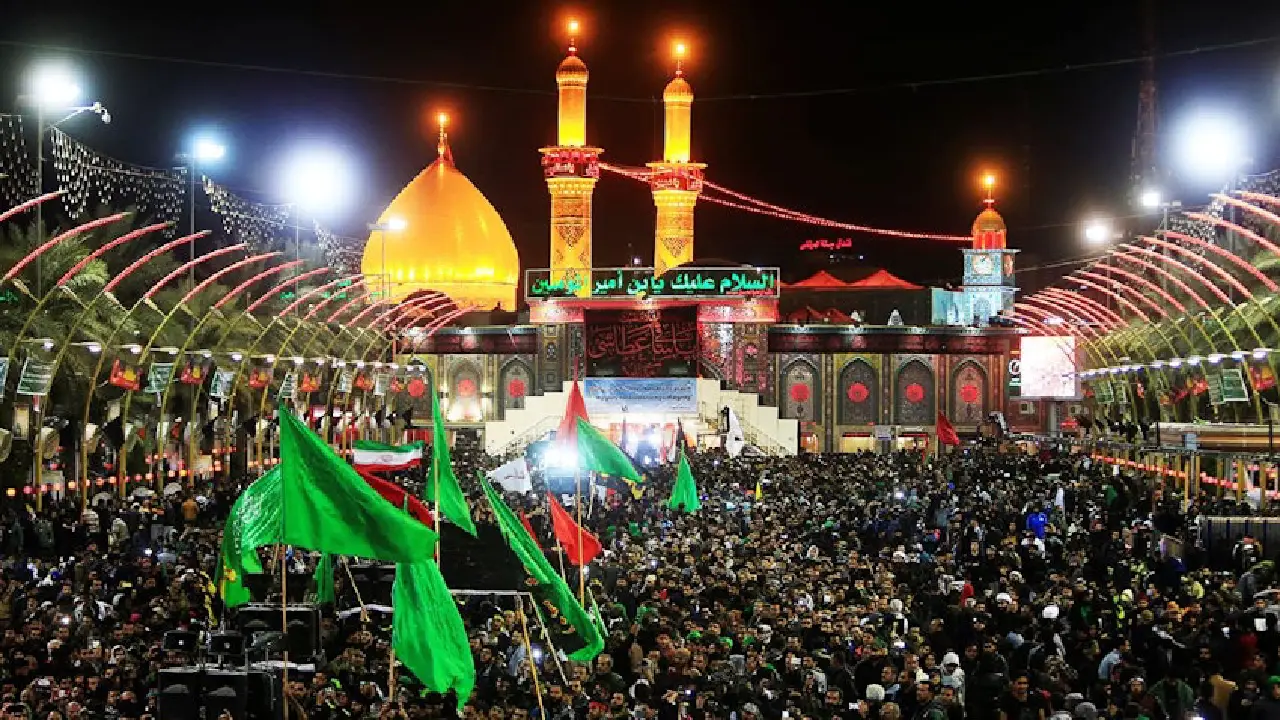
October to April is the comfortable season. March and April are best, when even desert edges are green. Summer in the south passes 45 degrees Celsius and is unpleasant at Babylon, Ur and Basra. The Kurdistan Region stays cooler and works in summer. Religious dates, especially Arbaeen, bring enormous crowds to Karbala and Najaf and place heavy pressure on transport and hotels. If you want to visit the holy cities, check the calendar and book early. For help choosing sites, see Iraq history travel.
An operator cannot issue the visa, but it can reduce the friction. A good one tells you which visa your route needs, prepares an itinerary and hotel list for your application, supplies a sponsor or invitation letter where the rules require it, confirms the arrival airport and meets you with a licensed guide. It should also tell you honestly if the rules have changed or if a route is no longer practical. Ask who handles your paperwork, what happens if your application is refused and how refunds work.
Higher-end routes are described on the private Iraq journey page, and our small group departures suit travelers who prefer shared costs.
Standard tourist visas assume a simple case: a US passport holder visiting for a short trip. Other situations need extra care. If you hold a second passport, or if Iraq is listed as your place of birth, the rules can differ, and some applicants are treated as citizens or may need different documents. Journalists, researchers, aid workers and contractors usually need accreditation or sponsorship that a tourist visa does not cover, and applying for a tourist visa for work-related travel can cause serious problems at the border. If you plan to stay longer than a standard tourist period, ask the authorities, not a travel site, what applies. When in doubt, contact the Iraqi embassy in Washington or a consulate, and keep copies of all correspondence.
Because Iraq is a Level 4 destination, insurance deserves more attention than usual. Read the policy exclusions, and ask the insurer in writing whether it covers medical care, medical evacuation and trip interruption in Iraq. Specialist policies exist for high-risk destinations and are often worth the extra cost. Enroll in the Smart Traveler Enrollment Program so that the nearest US embassy can reach you, save the embassy and insurer numbers in your phone and share your itinerary with family. Your operator should also give you a 24-hour emergency contact in Iraq and a written plan for what happens if conditions change.
The visa fee covers only permission to enter. It does not pay for guides, transport, hotels or support, and it is not refundable if your plans change after approval. Budget for the visa fee, flights, internal transfers, guides, meals, entrance fees and insurance, plus some buffer for changes. If you want to understand what the whole trip costs, our breakdown in Iraq travel cost explains the main items and what drives the price.
For pilgrimage-focused routes, read about religious tourism in Iraq, and for the wider cultural picture, see cultural travel in Iraq. If you want a longer list of places, read the best places to visit in Iraq.
The Iraq visa is simple once you know which region you are visiting. Choose the federal e-visa for Baghdad, the holy cities and the south, choose the Kurdistan visa for a northern-only trip, apply early on the official portal, and confirm everything again shortly before you travel. Read the Level 4 advisory carefully, buy insurance that covers Iraq and travel with a licensed local team. If you want help matching a route to the right visa, send your dates and interests through our contact page.
Your email address will not be published. Required fields are marked *