Libya luxury tours are not the same thing as luxury tours to Italy or Morocco, and a good operator will tell you so at the start. Libya has no chain of five-star safari lodges or boutique riad hotels, and its tourism infrastructure is still rebuilding. What a luxury Libya journey can offer is something rarer: private access to Roman and Greek cities that almost no one visits, an expert guide who is yours alone, comfortable vehicles, carefully chosen hotels and a pace that leaves room to take it all in. This guide explains what luxury really means in Libya, what you can expect on the ground, how a high-end itinerary is built for American travelers and what questions to ask before you book.
If you are ready to see a route, our private Libya journey shows the stops, and the sections below explain how we think about quality on a trip like this.
Luxury in Libya is about access, expertise and ease, not thread counts. Think of it in four layers:
Travelers who arrive expecting resort amenities in every town are often disappointed. Travelers who arrive expecting an intelligent, well-run private expedition usually leave delighted.
The US State Department lists Libya at Level 4, Do Not Travel, and cites armed conflict, terrorism, kidnapping, crime, landmines and limited health care. The US Embassy in Tripoli is closed, so American consular help in the country is very limited. A luxury price does not change that. What a private operator can do is reduce exposure by using pre-approved routes, a licensed local sponsor, an official escort required for foreign visitors, vetted drivers and hotels and a plan for delays or closures. Read the current advisory shortly before departure, buy specialist insurance that explicitly covers Libya and medical evacuation, and decide with the full picture in view. The practical side of the process is covered in how Libya tours work for American travelers.
For luxury travelers the format matters more than the price tag.
Because every stop must be approved in advance, a private trip is also easier to adjust early in the planning stage than a fixed group tour.
This is the area where expectations need to be set carefully. In Tripoli there are a few established international and business hotels, including a large harbor-side property long used by diplomats and delegations, and these are the most comfortable bases in the country. Along the Roman coast and in the east, options narrow. In Ghadames, the main hotel is a traditional-style government property with character but modest facilities. In some regions, a well-kept guesthouse is the best available choice. A luxury operator will name the hotel for each night in advance, describe its standard honestly and, where possible, select rooms with the best outlook and quietest position.
Ask for photographs and recent guest feedback, and ask what the backup is if a property is full or closed. Do not expect reliable Wi-Fi, even in the best hotels, and plan for occasional power cuts and water pressure issues.
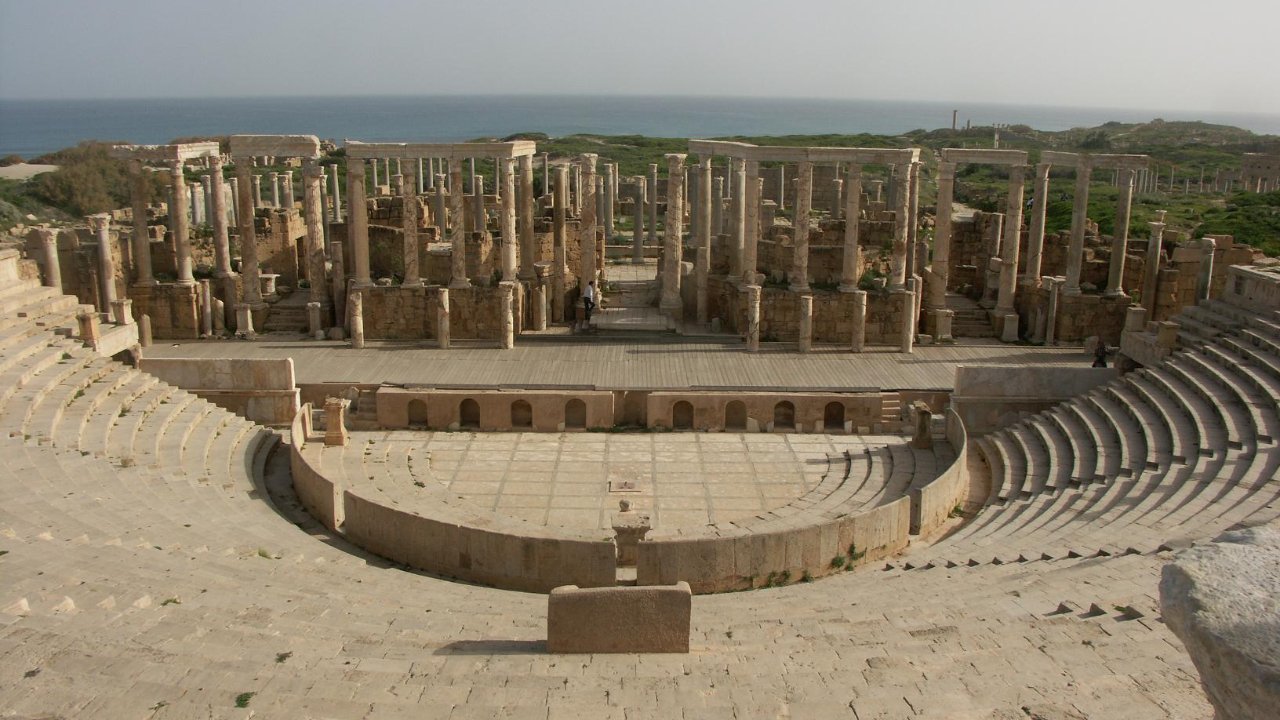
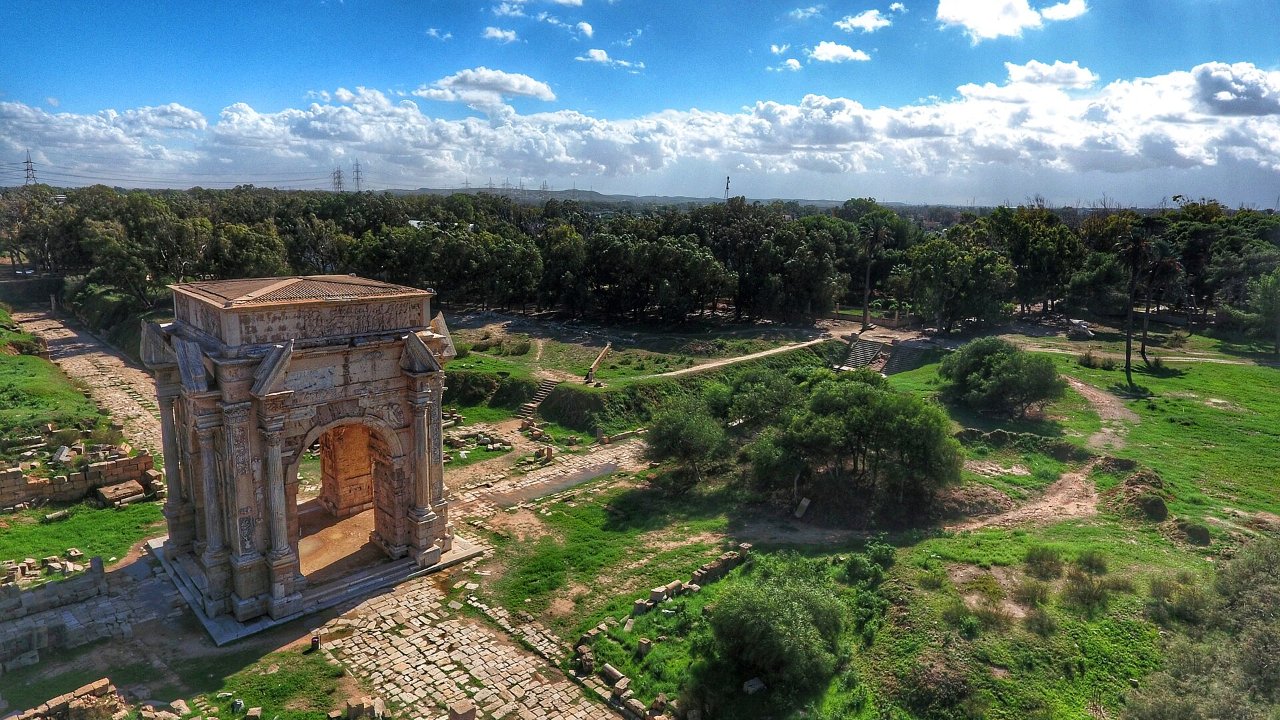
The finest Roman city on the Mediterranean coast outside Italy. The Severan basilica, the forum, the market and the seaside theatre are remarkably intact. A private visit at first light, before other visitors arrive, is one of the great experiences of the trip.
Known for its reconstructed theatre with a three-level stage facade overlooking the sea. The mosaics in the museum are an excellent complement.
Cyrene is a Greek colony of the seventh century BC, with the Temple of Zeus, the Sanctuary of Apollo and a vast necropolis set on the cool upland of the Green Mountain. Apollonia, its port, has partly submerged ruins and Byzantine churches beside clear water.
The pearl of the Sahara, a UNESCO-listed oasis town of whitewashed houses linked by shaded passageways. A private guide can arrange time with local families and a tea stop in the palm gardens, which many visitors rate as the emotional high point.
Tripoli's old city blends Ottoman, Italian and Mediterranean layers, and the Jebel Nafusa highlands offer Berber villages and fortified granaries such as Qasr al-Haj. Both break up the longer drives.
This route shows how a luxury trip might be paced. Final details depend on permits and conditions.
Our 11-day Oasis Light and Mediterranean Antiquity itinerary follows this logic, and shorter western-only versions of six to eight days are possible for travelers who prefer fewer long drives.
Libyan food is generous and rooted in the Mediterranean and the desert. Expect fresh fish on the coast, lamb and couscous, thick soups such as bazin and sharba, dates, olives and sweet pastries with strong tea or coffee. Libya has been alcohol-free since 1969, so there is no wine list to speak of, and luxury here means good ingredients and warm hospitality. A private operator can arrange tastings, a home-cooked meal or a picnic lunch near the ruins, and will manage dietary needs if you tell them in advance.
Prices depend on group size, season, the length of the route, the hotels used and the number of internal flights or long drives. In Libya, costs per person are often higher than for comparable trips elsewhere because of permit and escort costs, limited hotel supply, private vehicles for long distances and the effort of coordination. Private journeys are priced above small group departures. Several operators in the market quote multiple thousands of US dollars per person for a week or more, and a fully private, well-appointed 11-day itinerary sits higher. Ask for a written breakdown that shows what is included, such as hotels, meals, guide, driver, escort, permits and entrance fees, and what is not.
Things typically excluded are international flights, specialist insurance, the e-visa fee, tips and personal spending. Cards are rarely accepted, so carry cash in US dollars or euros.
Luxury is also about time. Libya's sites reward early starts and long pauses, so a good itinerary avoids the midday heat, schedules the major ruins for the soft light of early morning or late afternoon and keeps at least one slow day for rest. Photographers should tell their operator what they hope to capture. Leptis Magna at sunrise, the arches of Sabratha against the sea and the white lanes of Ghadames in low sun all need planning, and checkpoints and military sites should never be photographed. Drones are generally not permitted, and your guide can explain what the authorities allow and how to ask for permission when it matters.
Visit a travel clinic four to six weeks before departure to review routine vaccines and any advice for North Africa. Bring prescription medicines in original packaging with extra supply in case of delay, plus a basic first aid kit, rehydration salts and sun protection. Medical facilities outside the main cities are limited, which is why evacuation cover matters. Pack layers for cold desert nights, modest clothing, a scarf, comfortable walking shoes for uneven stone and a power bank, since outages happen. Carry printed copies of your visa approval, itinerary and insurance, and keep your documents with you rather than in checked luggage.
The Islamic calendar shapes daily life, and it affects a trip. During Ramadan, many restaurants close in daylight, opening hours at museums and sites change and your guide and driver will be fasting, so schedules are gentler. Travelers who join in the evening meal often find the atmosphere warm and memorable, but a luxury trip is usually more comfortable outside the fasting month. Eid holidays bring crowds and fully booked hotels. Check the dates for your year when you pick your departure and let your operator build the route around them.
The best months are November to March, when daytime sightseeing is comfortable and desert nights are cold. Summer is very hot. From the United States, there are no direct flights, so most travelers connect through Istanbul, Tunis or Cairo before flying to Tripoli. Allow a spare night in your connection city and book flexible fares until your approvals are confirmed. For the full planning checklist, see Libya tours from the USA.
Libya pairs naturally with other desert and ancient destinations. Our Libya and Mauritania journey links Roman cities with Saharan towns, and travelers who like the idea of a rarely visited North African country may also consider Algeria for its Roman sites and Saharan landscapes. If you want a gentler first introduction to the region, Tunisia offers Carthage, Dougga and El Jem with a much broader tourism infrastructure.
It suits experienced, curious travelers who value rare access over polished service, who are comfortable with an official escort and a pre-agreed route and who have the health and temperament for long drives and uneven comfort. It is a strong choice for serious archaeology lovers and for collectors of unusual destinations. It is not suited to travelers who want predictable five-star standards, spontaneous freedom or close medical facilities.
A luxury Libya tour is a private, carefully managed expedition to some of the least visited great sites of the ancient world. Choose an operator that is honest about the advisory and the comfort level, insist on specialist insurance, keep your flights flexible and be ready for the limits that come with a country that is still opening up. When you are ready to talk about dates and the level of service you want, use our contact page.
Your email address will not be published. Required fields are marked *