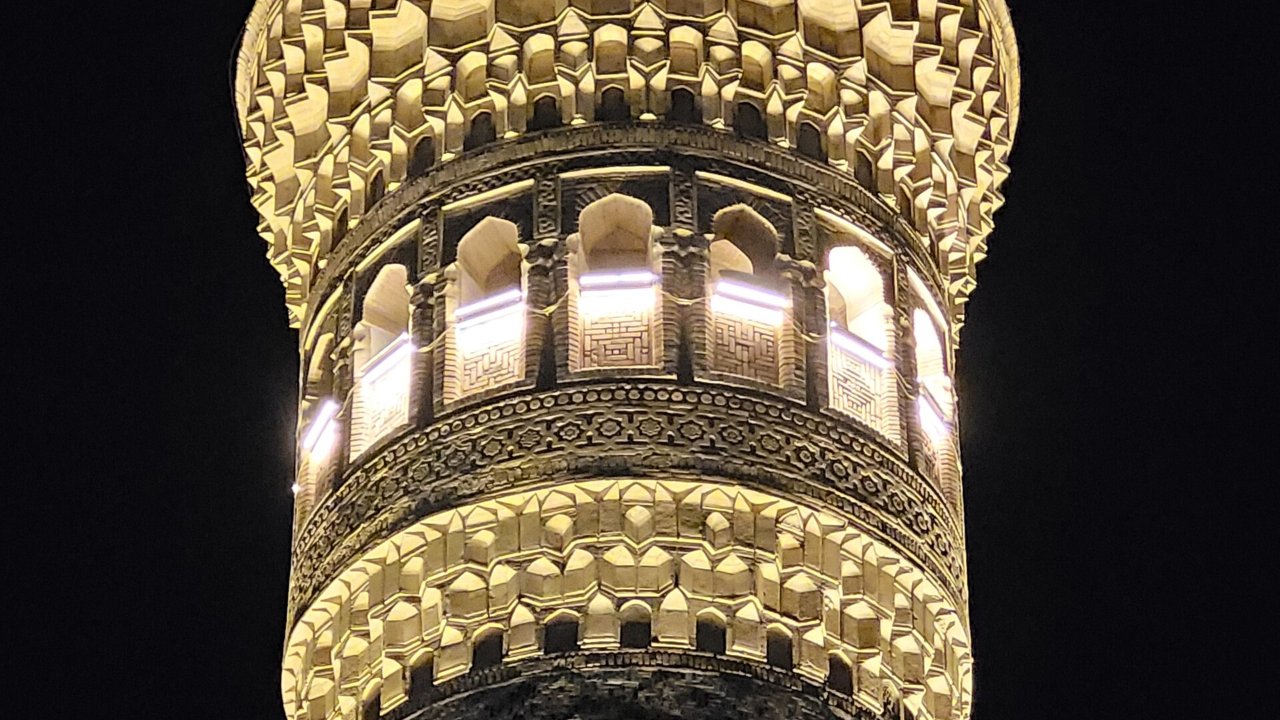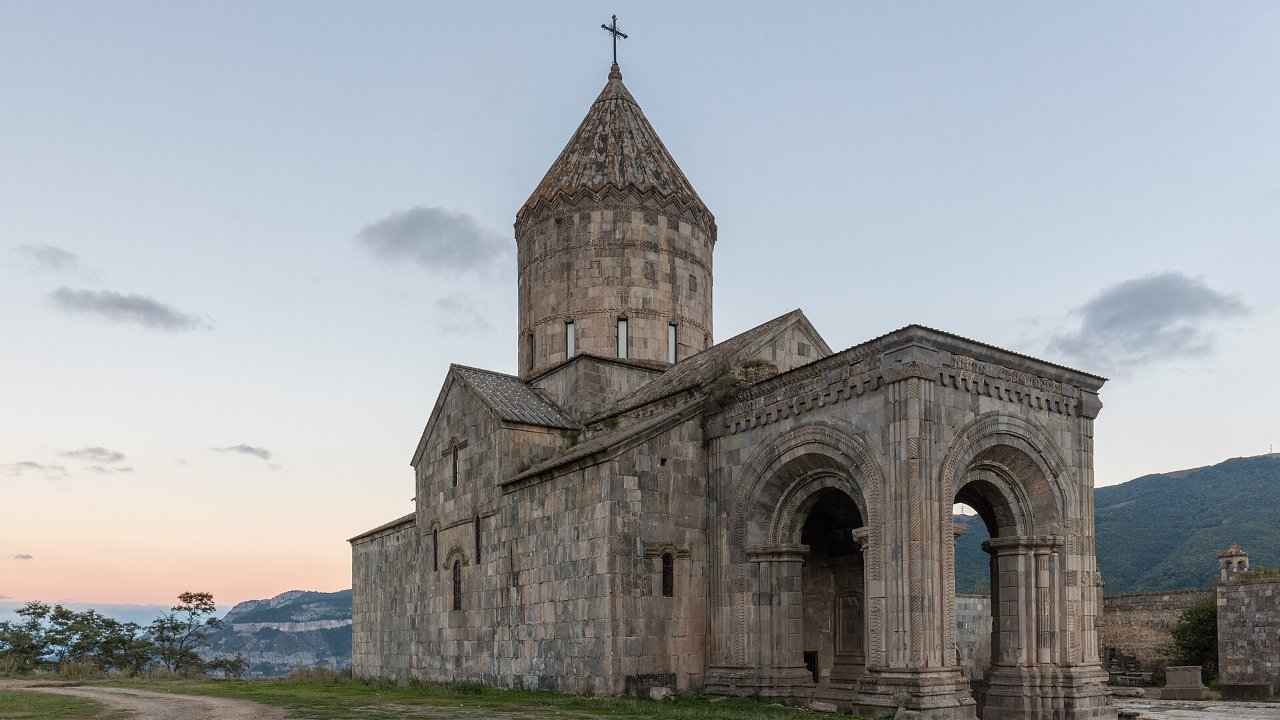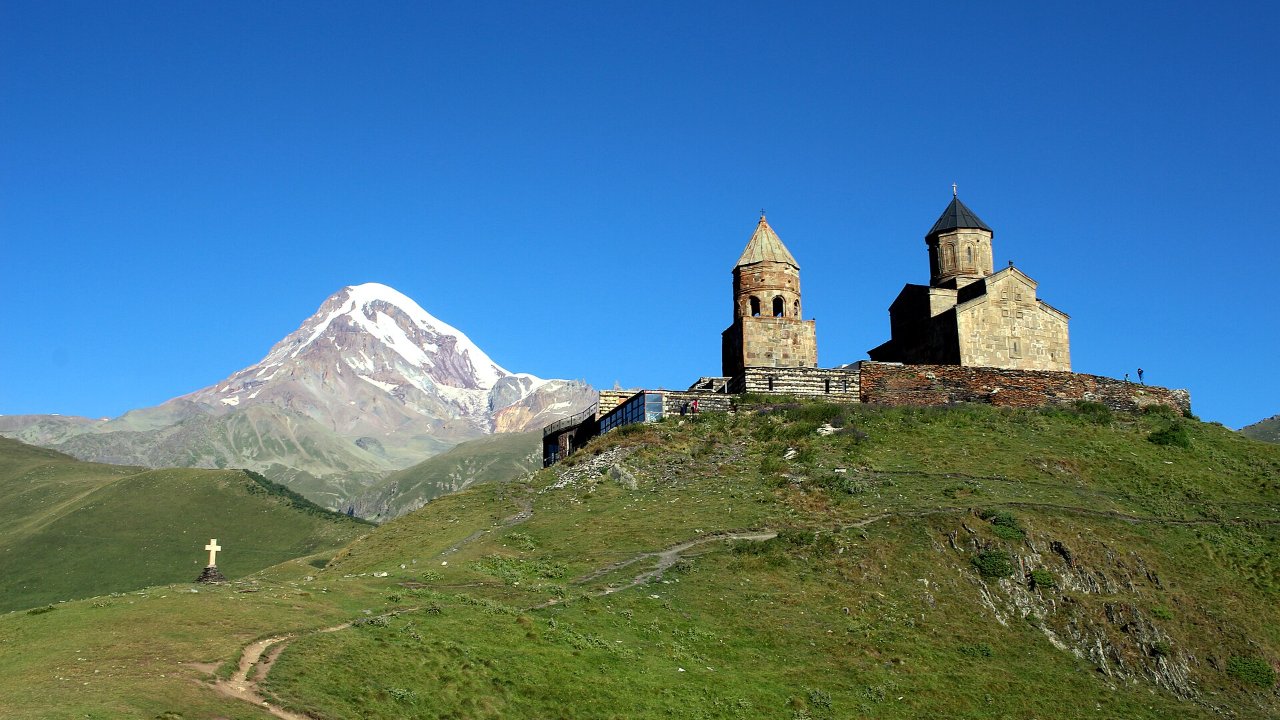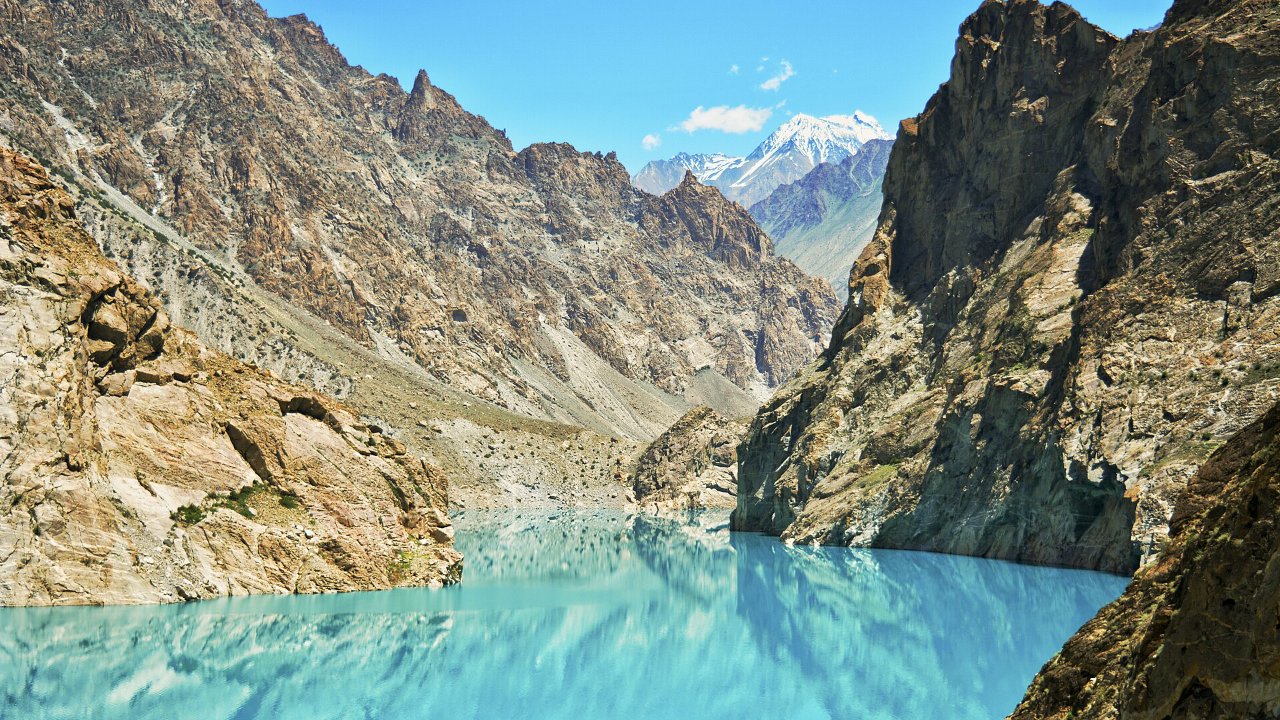
A trip to Pakistan surprises almost every American who takes one. The north holds some of the highest mountains on earth, the Indus plains hold cities that were already ancient when Rome was young, and hospitality in homes and tea shops is famously generous. It is also a country where official advisories are serious, entry rules changed recently and independent planning takes real effort. This guide gives American travelers the practical picture: safety, visa, the best regions, when to go, how long to stay, costs and how to choose a guided format.
If you are comparing operators and itineraries, read about private Pakistan tours from the USA for sample routes and the current safety advisory.
If you are comparing countries, you can see how we organize travel across the region on our Pakistan journeys page. The sections below explain what to expect before you decide.
The US State Department rates Pakistan Level 3, Reconsider Travel, and updated the advisory in January 2026. It cites terrorism, crime, civil unrest and kidnapping, and it tells US citizens not to travel to parts of Khyber Pakhtunkhwa and to Balochistan. The United Kingdom's advice is broadly similar, and also advises against travel near the Afghan border, near the Line of Control and in parts of northern Sindh. Gilgit-Baltistan, where Hunza and Skardu sit, is not on the avoid lists, but the Karakoram Highway between Mansehra and Chilas is flagged by the UK, so route choice matters.
These are not neutral warnings, and a guided trip does not remove the risk. What a good operator can do is keep you out of the flagged regions, choose safer road and flight options, monitor conditions daily and change the plan quickly. Before you book, read the live advisory, enroll in the Smart Traveler Enrollment Program, buy insurance that covers Pakistan and medical evacuation, and ask any operator how it handles route changes and refunds.
Pakistan suspended its free visa prior to arrival program for many nationalities at the start of 2026, and visa on arrival is not available to Americans. US citizens apply for a paid e-visa on the official Pakistan online visa portal, and a single-entry tourist visa has been reported at about 60 US dollars, valid for three months. Processing can take from one to three weeks or more, so apply four to six weeks before travel.
Applicants usually provide a passport valid for at least six months, a recent photo, a hotel booking or invitation letter, an itinerary and recent bank statements. Rules and fees change often, so confirm everything on the official portal. A tour operator can supply the supporting documents for your trip, but the application is yours and the decision stays with the Pakistani authorities.
Pakistan is large, and a first trip works best when it focuses on one or two regions rather than trying to cover everything. Here are the places most visitors choose.
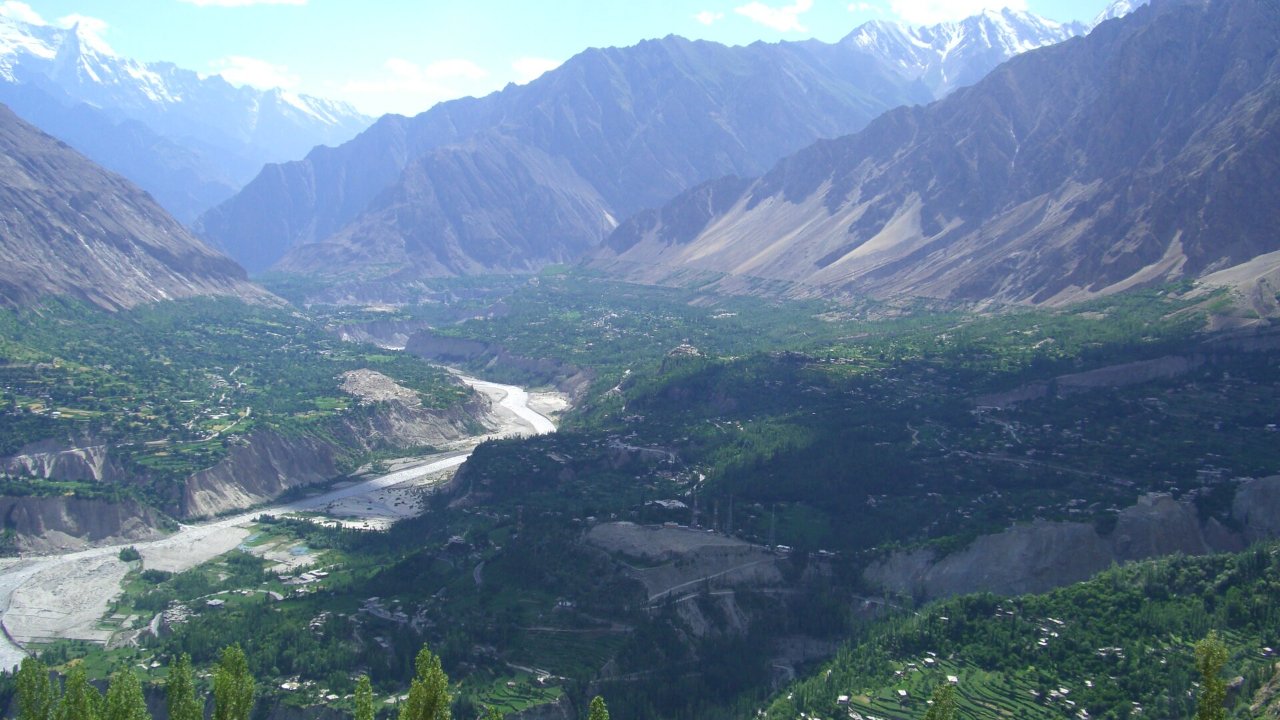
The north is the main draw. The Hunza Valley offers terraced fields, old forts at Baltit and Altit and views of Rakaposhi and Ultar Sar. Skardu is the gateway to the Karakoram, with Shigar Valley, the cold desert at Katpana and the road toward K2 base country. Fairy Meadows, reached by a short hike, faces Nanga Parbat. In summer the valleys are green, apricot blossom arrives in spring and autumn turns the poplars gold. Our 12-day Pakistan northern valleys itinerary follows this region at an unhurried pace.
Lahore is the cultural capital, with the Walled City, Badshahi Mosque, Lahore Fort, the Wazir Khan Mosque and a food scene that rewards slow evenings. Nearby sit Taxila with its Buddhist ruins and Rohtas Fort. The Wagah border ceremony is a popular evening outing, though you should confirm its status before you go.
The south holds Mohenjo-daro, one of the great cities of the Indus Valley civilization, the Makli necropolis near Thatta and the Shah Jahan Mosque. This is a quieter and hotter region, best visited in winter. Our 15-day Pakistan southern civilisations itinerary covers these sites.
Islamabad is a green, calm capital and a practical start or end point. From there flights to Gilgit and Skardu avoid the longest road sections when weather allows, although mountain flights are often delayed or cancelled, so build spare days into any northern plan.
The right season depends on the region.
Ramadan changes opening hours and meal availability, though it also brings memorable evening atmosphere. Check the dates for your year before booking.
Ten to fourteen days works for one main region. A northern trip of 10 to 12 days gives time for Islamabad, the Karakoram Highway and Hunza or Skardu with rest days in between. A cultural trip through Lahore, Taxila and the south needs 12 to 15 days. If you want both north and south, plan three weeks or more. Weather and flight delays in the mountains are common, so a spare day or two is sensible.
Treat the northern leg as flexible. Mountain weather decides what is possible on any day, and a good guide will have alternatives ready.
There are no direct flights from the United States to Pakistan in most seasons. Travelers connect through Doha, Dubai, Istanbul or another hub, and a one-way journey commonly takes 18 to 24 hours. Within the country, domestic flights link the major cities, private cars with drivers are the standard way to cover regions, and trains run between the main cities. Roads in the north can be narrow and slow, with landslides after rain, so allow generous time.
Costs depend on format and season. A private trip with an experienced guide, a vehicle and comfortable hotels costs more per person for a couple than a small group departure, and prices fall as the party grows. The main cost items are guides and drivers, hotels, internal flights, entrance fees, meals and permits where required. International flights and insurance are usually separate. Ask for a written list of inclusions so that quotes can be compared fairly.
Dress modestly. Both men and women should cover shoulders and knees, and women often carry a scarf for mosques and conservative areas. Remove shoes at mosques and many homes. Alcohol is restricted, and public displays of affection are not appropriate. Ask before photographing people, especially women.
Food is a highlight. Look for karahi, biryani, seekh kebabs, fresh naan, Hunza apricots and sweet milky tea. Choose freshly cooked hot dishes, drink bottled or filtered water and carry rehydration salts. A travel clinic visit four to six weeks before departure is wise, to review routine vaccines, typhoid and hepatitis A.
For a country like Pakistan, the format matters more than usual because of logistics and safety planning.
Ask any operator who the guide will be, how conditions are monitored, what happens if a road or flight is cancelled and how refunds work. For a view of our higher-end options, see the private Pakistan journey.
Pakistan holds five of the world's fourteen peaks above 8,000 meters, and the Karakoram, Hindu Kush and Himalaya meet in the north. Most visitors do not climb. They walk. Gentle valley treks around Hunza, the Fairy Meadows trail to the Nanga Parbat viewpoint and day walks near Skardu give mountain scenery without technical skill. Longer treks toward K2 base camp or the Baltoro region are demanding, need permits and a specialist team and are best treated as a separate project. If you plan any trekking above 3,000 meters, talk to your doctor about altitude, add rest days and carry insurance that covers trekking at that height.
A good operator will raise these points with you before you pay a deposit, and will put the plan, the hotel names and the cancellation terms in writing.
Pakistan suits curious, flexible travelers who value landscape, history and conversation more than polish. It rewards patience with delays, comfort with simple roadside meals and respect for local custom. It is less suited to travelers who need a fixed schedule, who dislike long drives or who are uncomfortable with an official advisory at Level 3. Photographers, hikers, history enthusiasts and returning travelers from India, Nepal or Central Asia tend to enjoy it most, and many describe the welcome they received as the reason they went back.
A trip to Pakistan can be one of the most rewarding journeys you take, as long as you plan it with open eyes. Read the advisory, apply early for the e-visa, choose a region and a season that match, and travel with people who know the ground. If you would like help, share your dates, interests and group size through our contact page, and we will suggest a route and a format that fit.
Your email address will not be published. Required fields are marked *